Bhopal: The City of the Begums
The Bhopal Safarnama runs 2.1 km across 4 monuments, from Gohar Mahal to Taj-ul-Masajid, part of The Ancient Heartland. Bhopal is known as the city of the begums, here is the story the route tells, one stop at a time.
Gohar Mahal
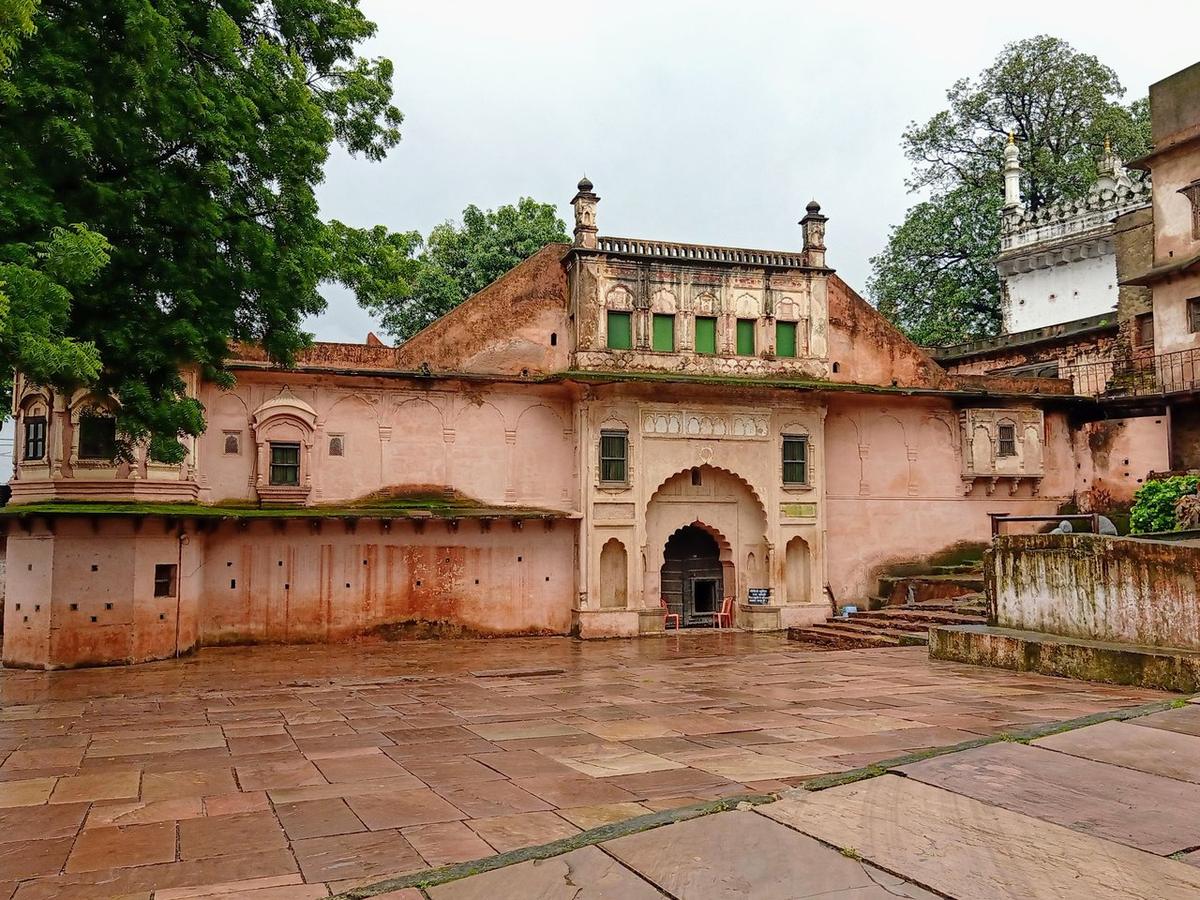
Built in 1820 by Qudsia Begum, the first woman to rule Bhopal and one of the first in South Asia to have a female ruler’s authority formally recognised by the state’s own qazi and mufti. The palace stands on the edge of the Upper Lake, its three storeys fusing Hindu-style balconies with Mughal arches, a literal blend built by a ruler who was inventing the job of queen as she went. Her direct descendants, mother to daughter, would go on ruling Bhopal for 107 more years.
Moti Masjid
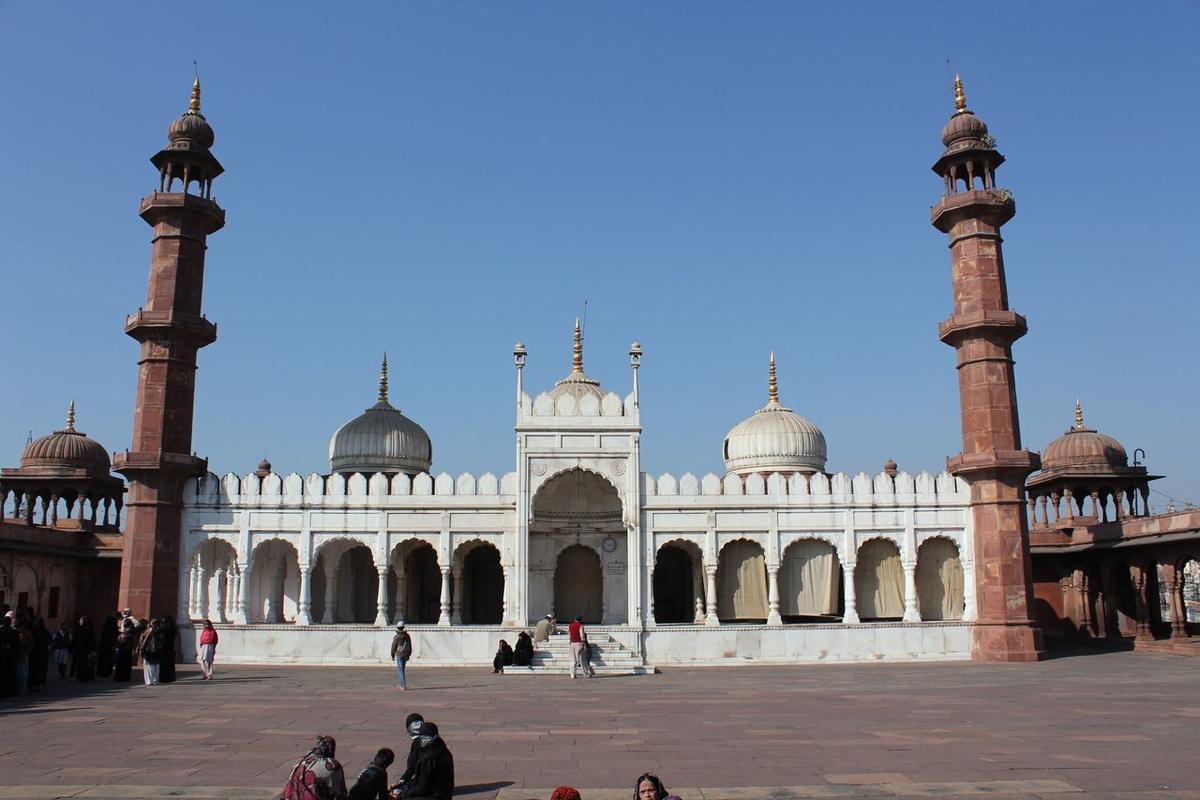
Built in 1860 by Sikandar Begum, Qudsia Begum’s daughter and Bhopal’s second ruling queen, the Moti Masjid was deliberately modelled on Delhi’s Jama Masjid, at a smaller scale, in red sandstone and white marble. Sikandar Begum led Bhopal’s own troops during the 1857 uprising and was known for riding and appearing in public unveiled, at a time when that alone was a political statement. She commissioned a copy of one of India’s most famous mosques and made it unmistakably her own.
Jama Masjid
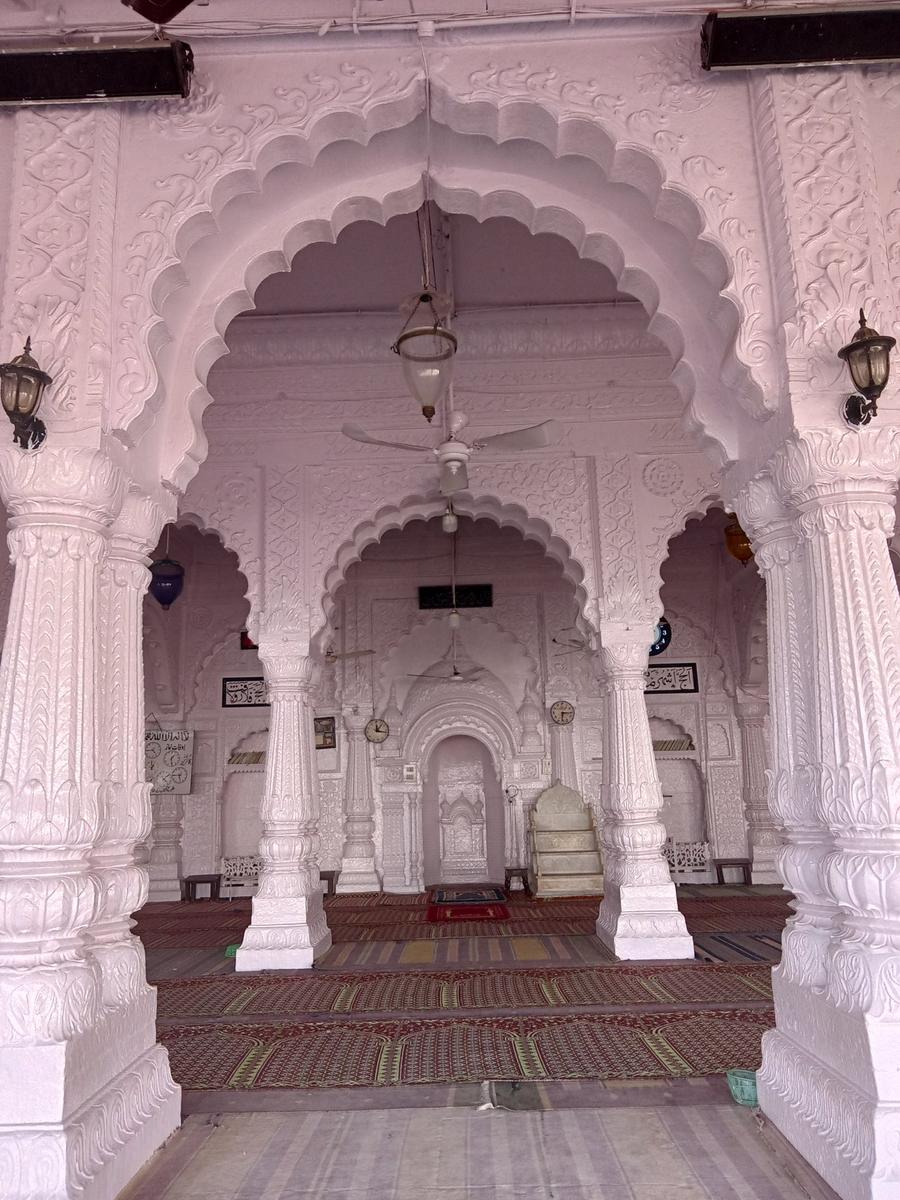
Commissioned in 1837 by Qudsia Begum, the same ruler behind Gohar Mahal, half a kilometre back, the Jama Masjid took some 24 years to complete, its minarets tipped with gold spikes that still catch the light over Bhopal’s old bazaar. Begun under Qudsia Begum’s own rule, it was only finished well into her daughter Sikandar Begum’s reign: as much Sikandar’s building as her mother’s.
Taj-ul-Masajid
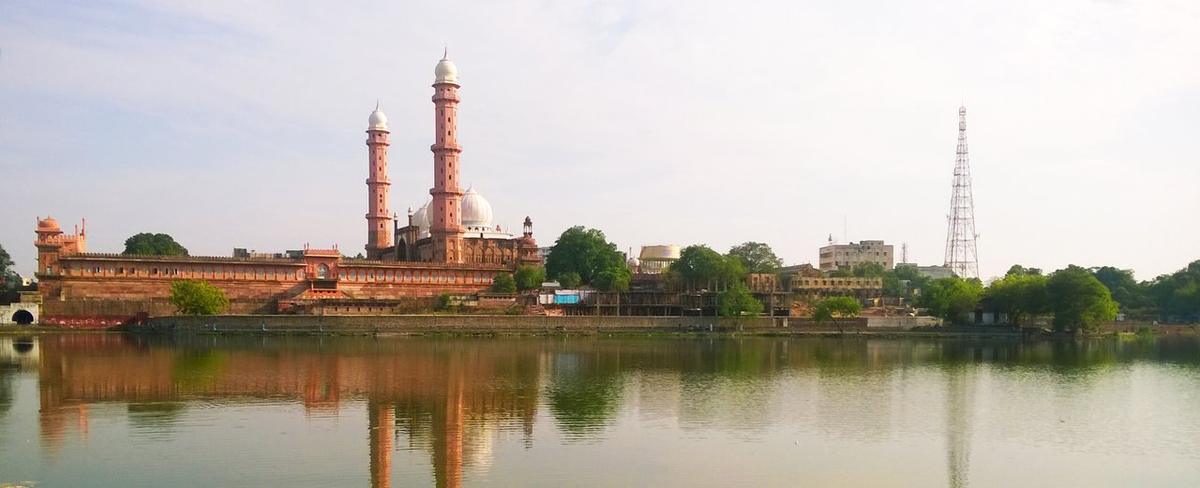
Begun around 1871 by Shah Jahan Begum, Sikandar Begum’s daughter and Bhopal’s third ruling queen, the Taj-ul-Masajid was designed as the grandest mosque in India: a pink facade, twin minarets rising some 67 metres, and three tanks built into the plan for reflection as much as ablution. Construction stalled for decades after Shah Jahan Begum’s death in 1901, and wasn’t finished until 1958, under her daughter Sultan Jahan Begum, 87 years after the first stone, and reckoned today among the largest mosques on earth.