Chennai: The Gateway to the South
The Chennai Safarnama runs 8.5 km across 6 monuments, from Kapaleeshwarar Temple to Fort St. George, part of The Temple Trail. Chennai is known as the gateway to the south, here is the story the route tells, one stop at a time.
Kapaleeshwarar Temple
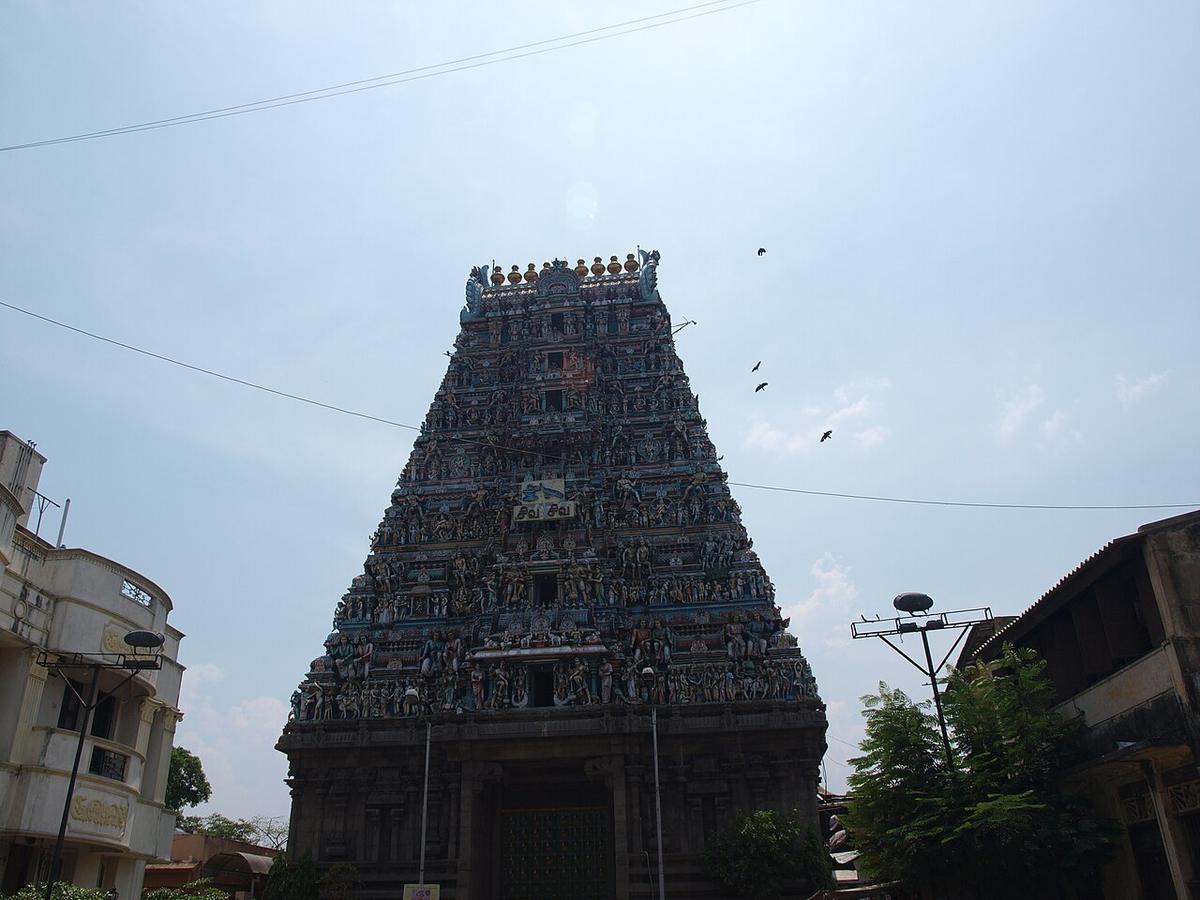
Dedicated to Shiva as Kapaleeshwarar and his consort Karpagambal, this Dravidian temple in Mylapore, one of Chennai’s oldest neighbourhoods, was rebuilt in its current form by the Vijayanagara Empire in the 16th century after the original temple, believed to have stood nearer the coast, was destroyed by Portuguese colonists, who used its stones to build a church nearby. Its forty-metre eastern gopuram, covered in vividly painted stucco figures, is one of the most recognisable landmarks in South Chennai, and the temple tank still hosts the annual Panguni Peruvizha car festival.
St. Thomas Cathedral Basilica
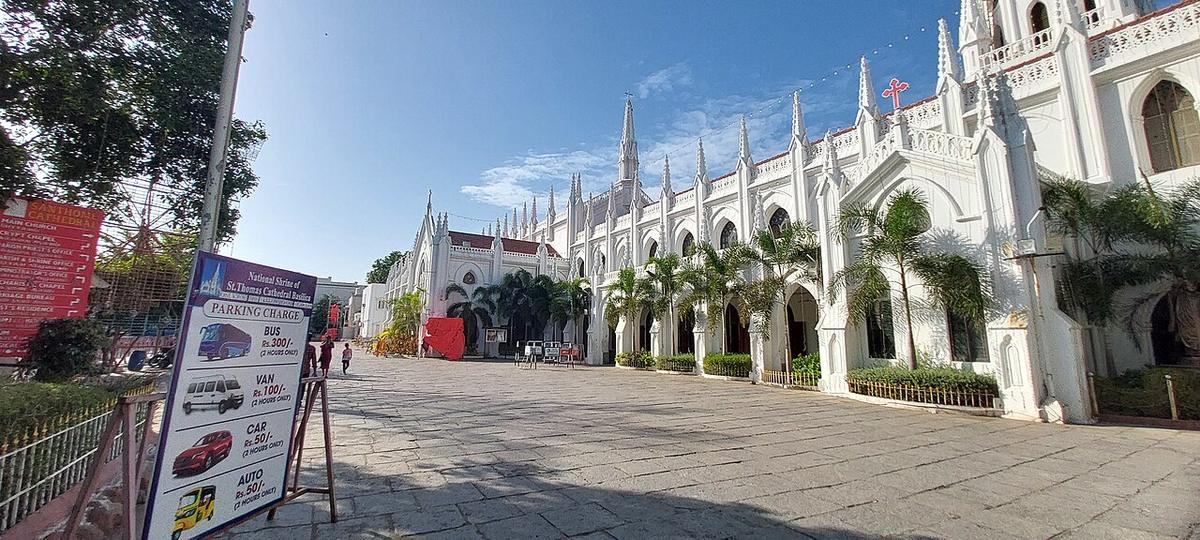
Built over what tradition holds is the tomb of Thomas the Apostle, who is said to have brought Christianity to India and been martyred nearby around AD 72, San Thome’s current neo-Gothic structure was completed by British colonial authorities in 1896, replacing an earlier Portuguese-era church on the same site. It is one of only three churches in the world built directly over the tomb of one of the twelve apostles, the other two are St. Peter’s Basilica in Rome and Santiago de Compostela in Spain, and Pope John Paul II elevated it to a minor basilica in 2006.
Vivekanandar Illam (Ice House)
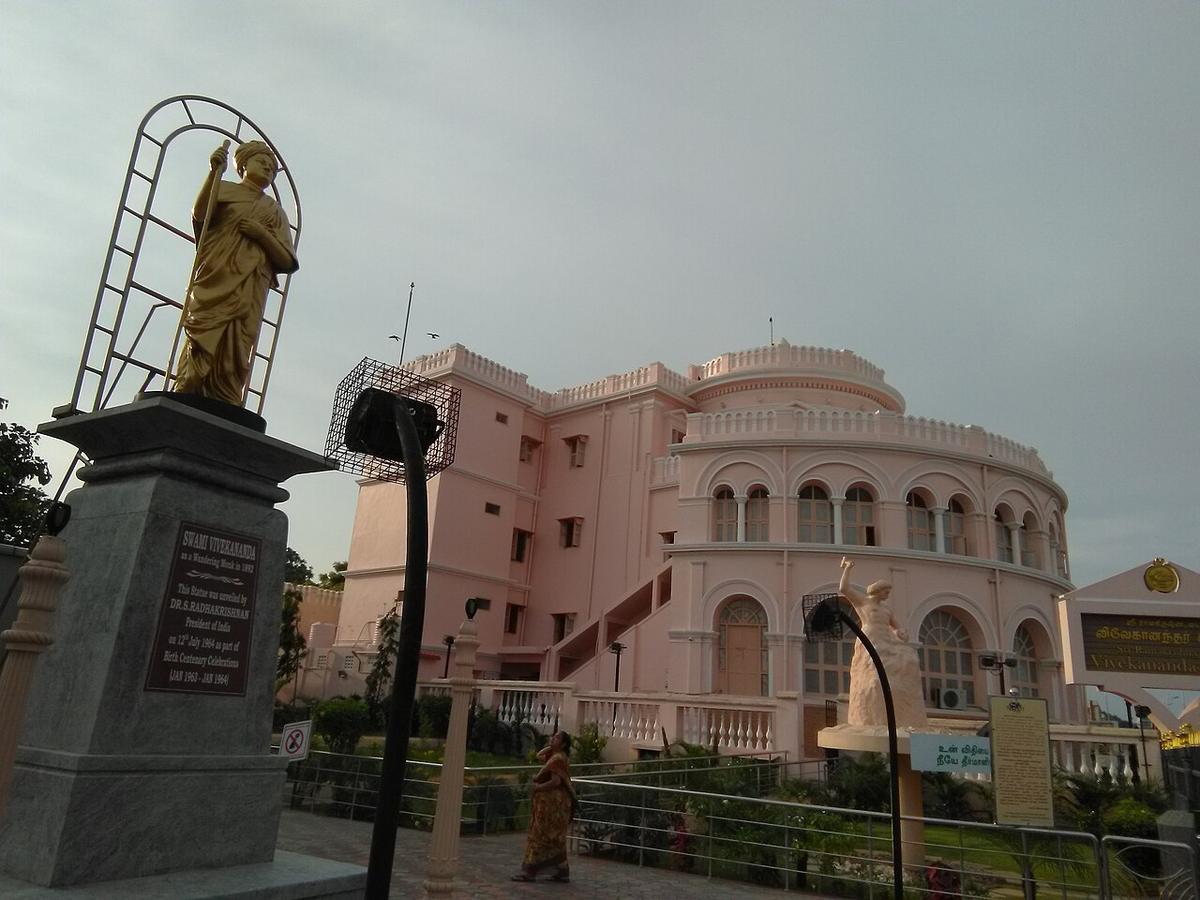
Built around 1842 to store ice shipped from New England lakes, before mechanical refrigeration reached India, blocks of American ice packed in sawdust made the four-month sea voyage and were kept underground here to survive Madras’s heat, this building later housed Swami Vivekananda for nine days in 1897, on his return from the World’s Parliament of Religions in Chicago, and was renamed in his honour. It now holds a museum on Vivekananda’s life and Vedanta philosophy.
Marina Beach
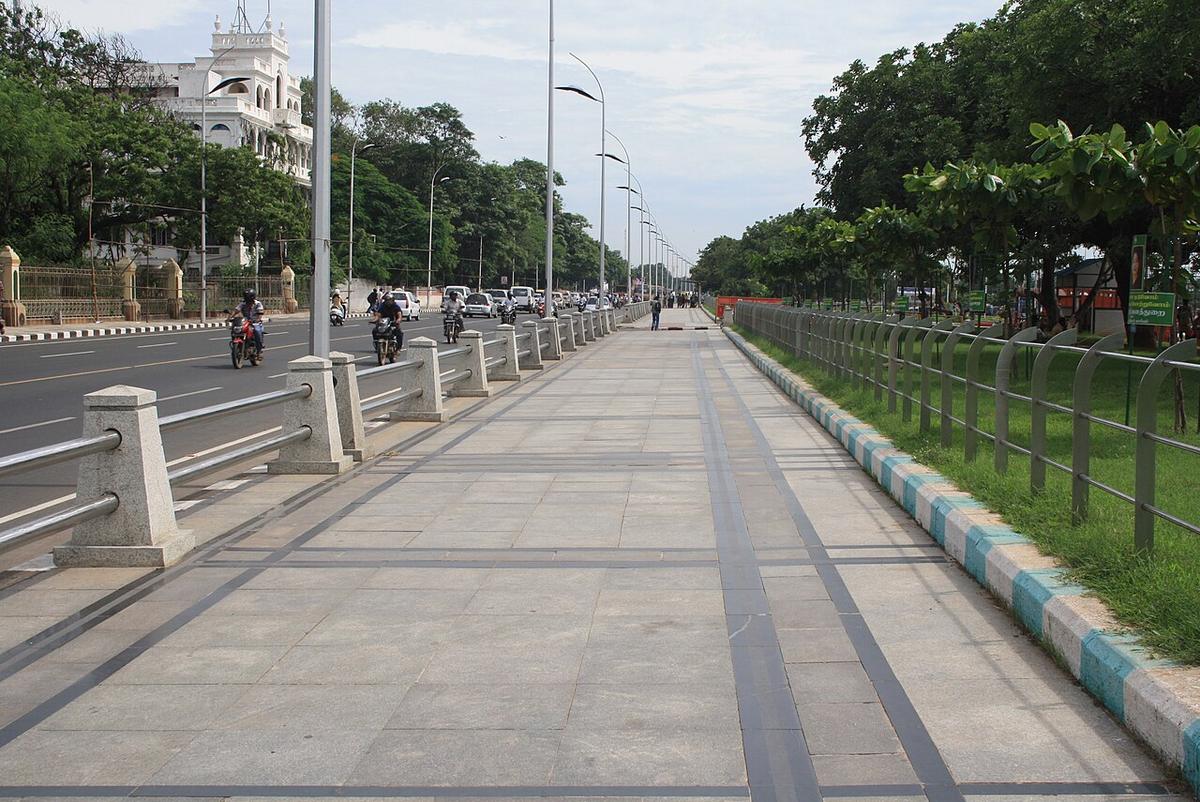
Stretching roughly six kilometres along Chennai’s eastern edge, Marina Beach is among the longest urban beaches in the world, laid out as a formal promenade in the 1880s under Governor Mountstuart Elphinstone Grant Duff, who gave it its name. Statues of Tamil poets, freedom fighters and political leaders line its landward edge, and at dawn and dusk it becomes one of the most heavily used public spaces in the city, fishing boats, walkers, kite-sellers and food stalls sharing the same open sand.
Senate House
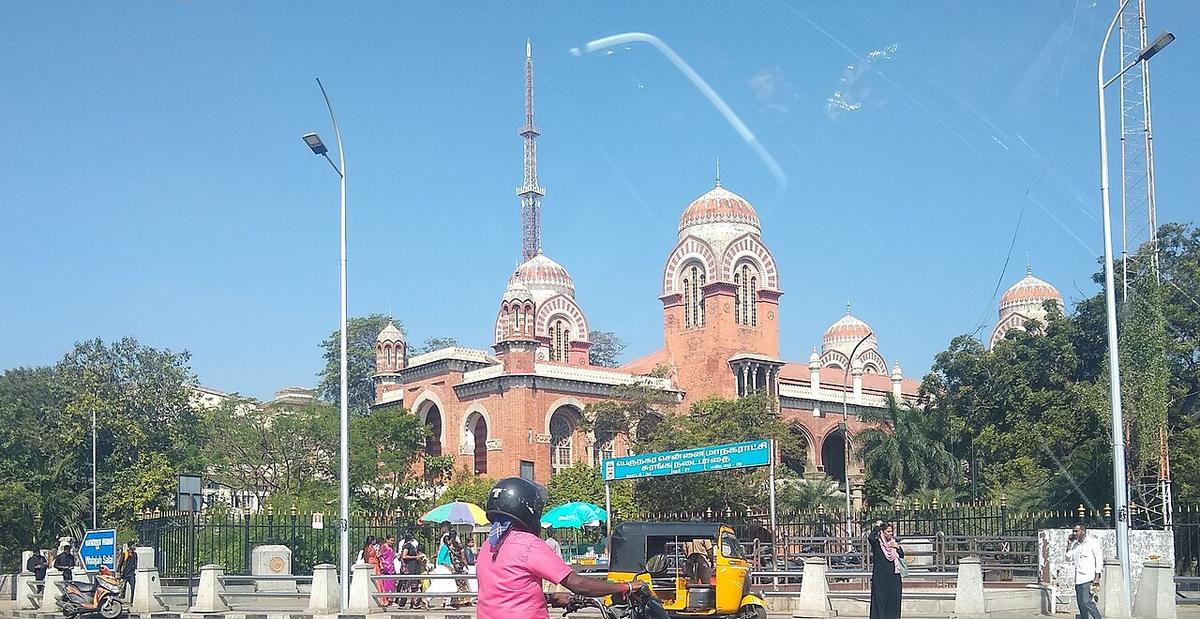
Completed in 1879 to a design by British architect Robert Chisholm, the Senate House of the University of Madras is considered one of the finest surviving examples of Indo-Saracenic architecture, blending Byzantine, Islamic and European Gothic elements under a single domed roof originally built to seat two thousand people for university convocations. It stands beside the Marina promenade a short walk from Anna Memorial, the samadhi of Tamil Nadu’s first Dravidian-movement chief minister, C.N. Annadurai.
Fort St. George
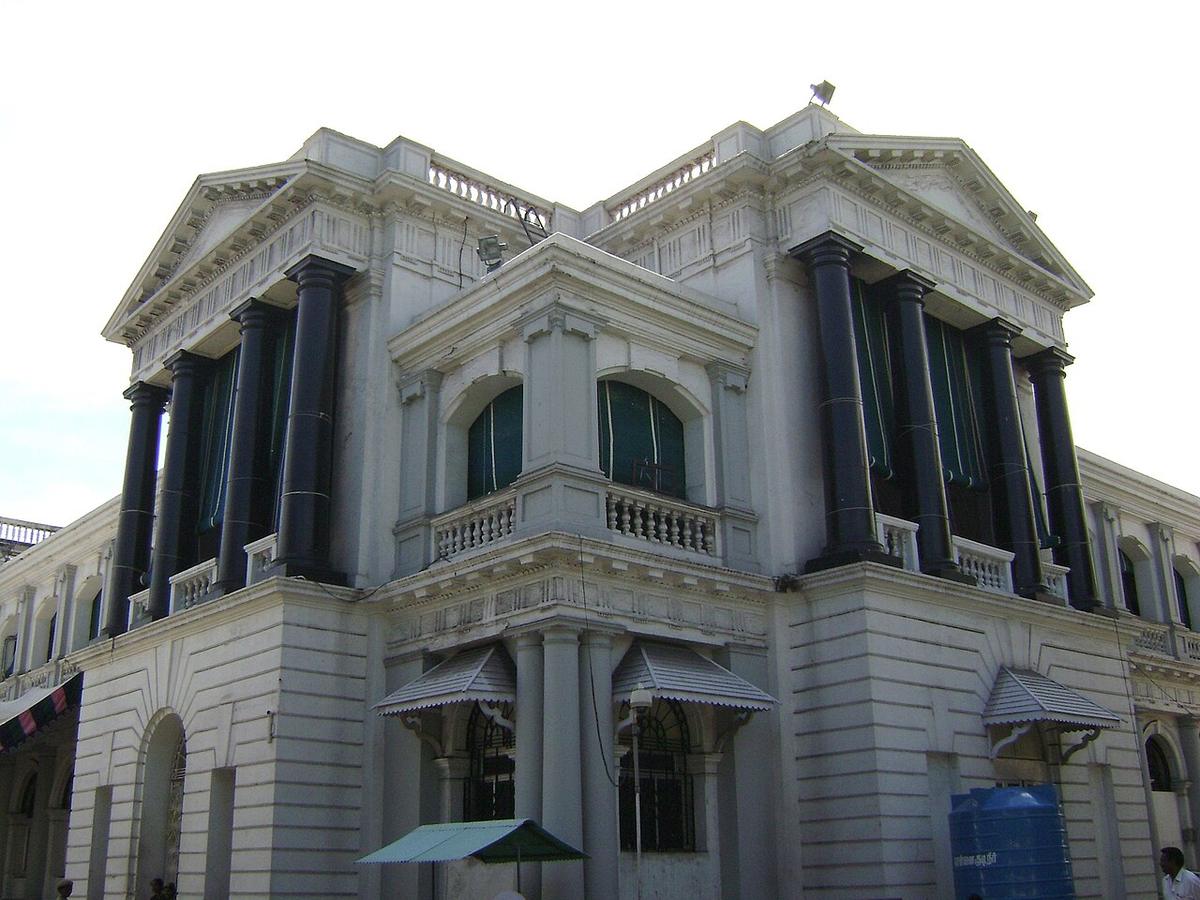
Built by the English East India Company in 1644, Fort St. George was the first fortified English settlement in India and the nucleus around which the city of Madras grew; it is still in active government use today, housing the Tamil Nadu Legislative Assembly and Secretariat. Inside its walls stands St. Mary’s Church, consecrated in 1680 and the oldest surviving Anglican church east of Suez, where Robert Clive was married and Elihu Yale, later a benefactor of Yale University, served as a vestryman.