Guwahati: The Temple City of the East
The Guwahati Safarnama runs 11.7 km across 4 monuments, from Kamakhya Temple to Kachari Ghat, Brahmaputra riverfront, part of The Cultural Trail. Guwahati is known as the temple city of the east, here is the story the route tells, one stop at a time.
Kamakhya Temple
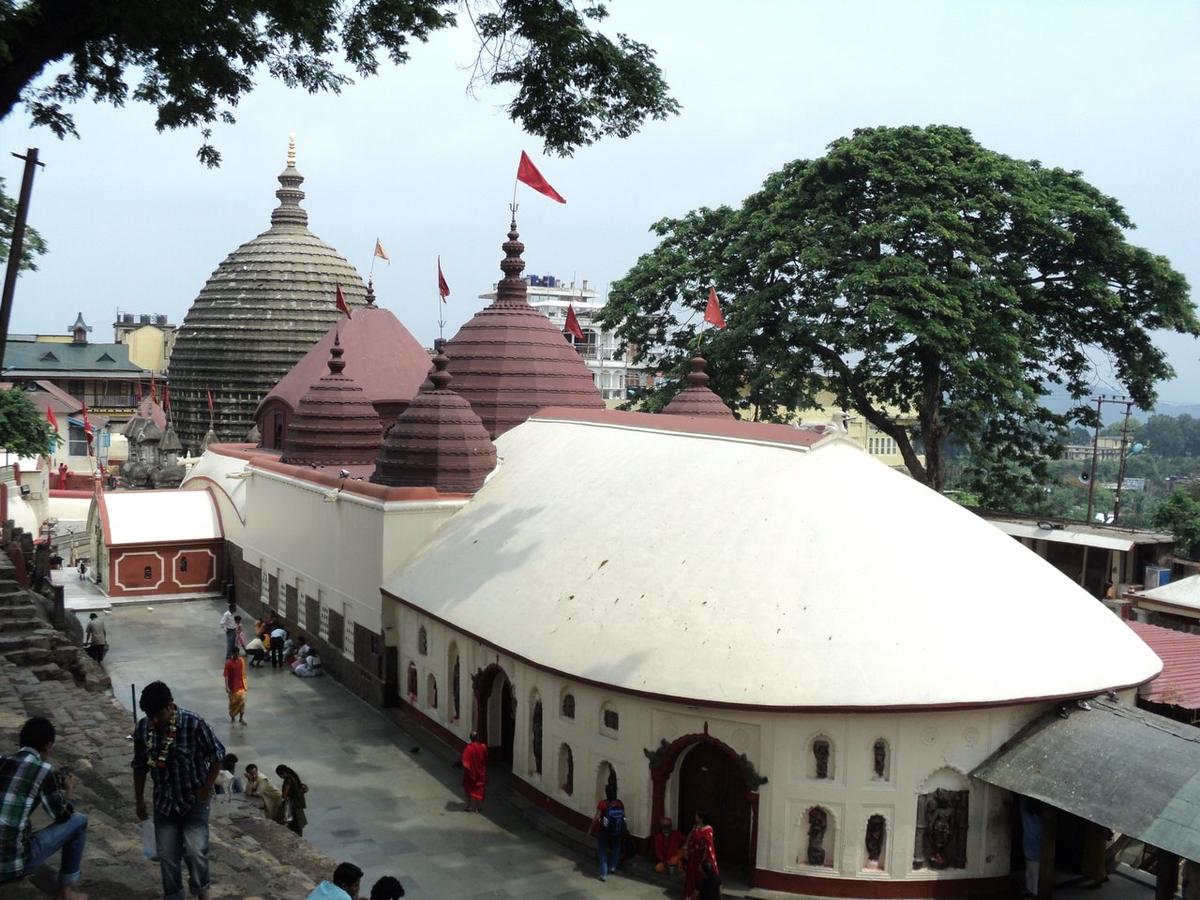
One of the most important Shakti Peethas in the subcontinent, Kamakhya sits atop Nilachal Hill and holds no idol at all, worship centres on a natural rock fissure in the sanctum, a spring-fed cleft revered as the goddess’s yoni. The current structure was rebuilt in 1565 by the Koch king Naranarayana after an earlier temple was destroyed; every June the temple closes for three days for Ambubachi Mela, marking the earth goddess’s menstruation, drawing hundreds of thousands of pilgrims and tantric ascetics.
Assam State Museum
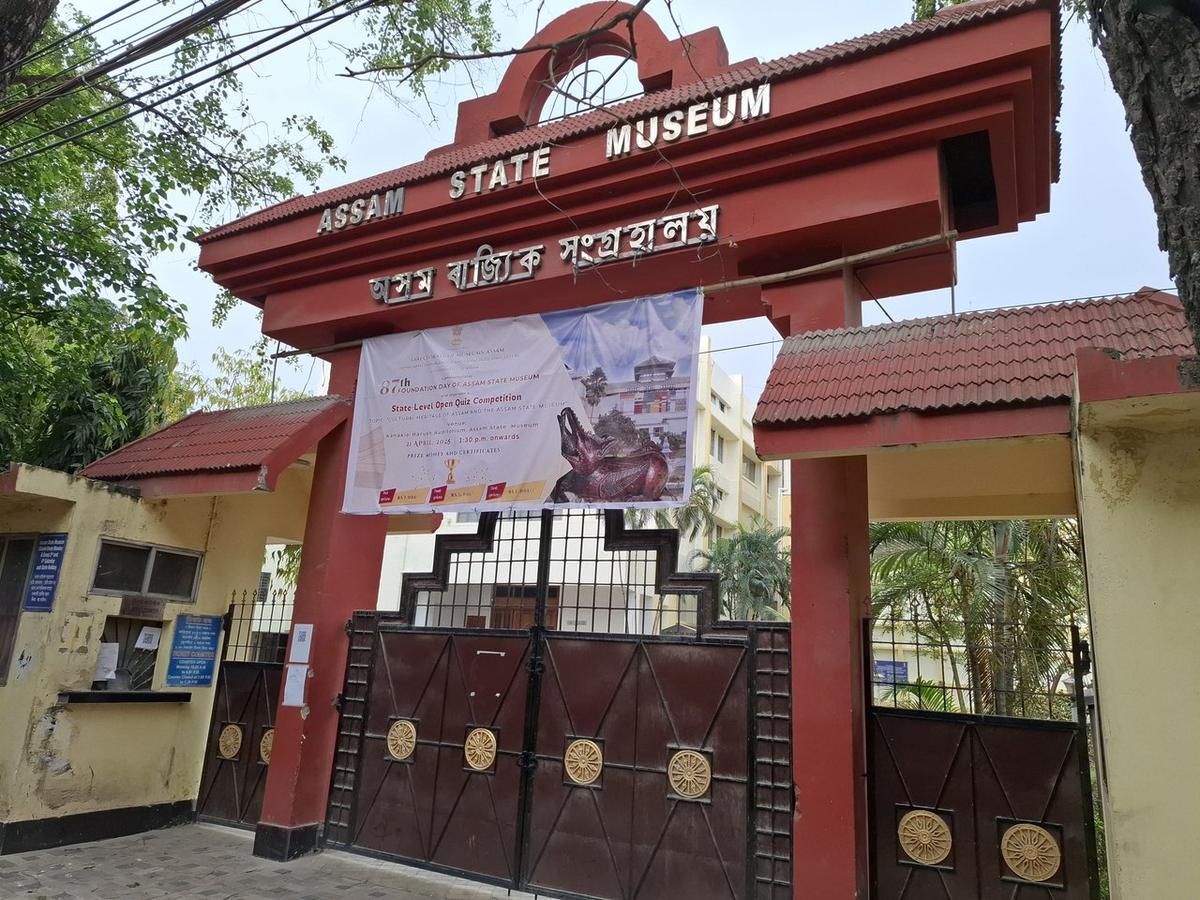
Established in 1940, the Assam State Museum holds the material record of the entire Northeast in one place, stone sculpture, epigraphy, Vaishnavite manuscripts, tribal ethnography, folk art and archaeology from across Assam and its neighbouring states, gathered under one roof in a part of India where that history is otherwise scattered across dozens of small, distant sites.
Navagraha Temple
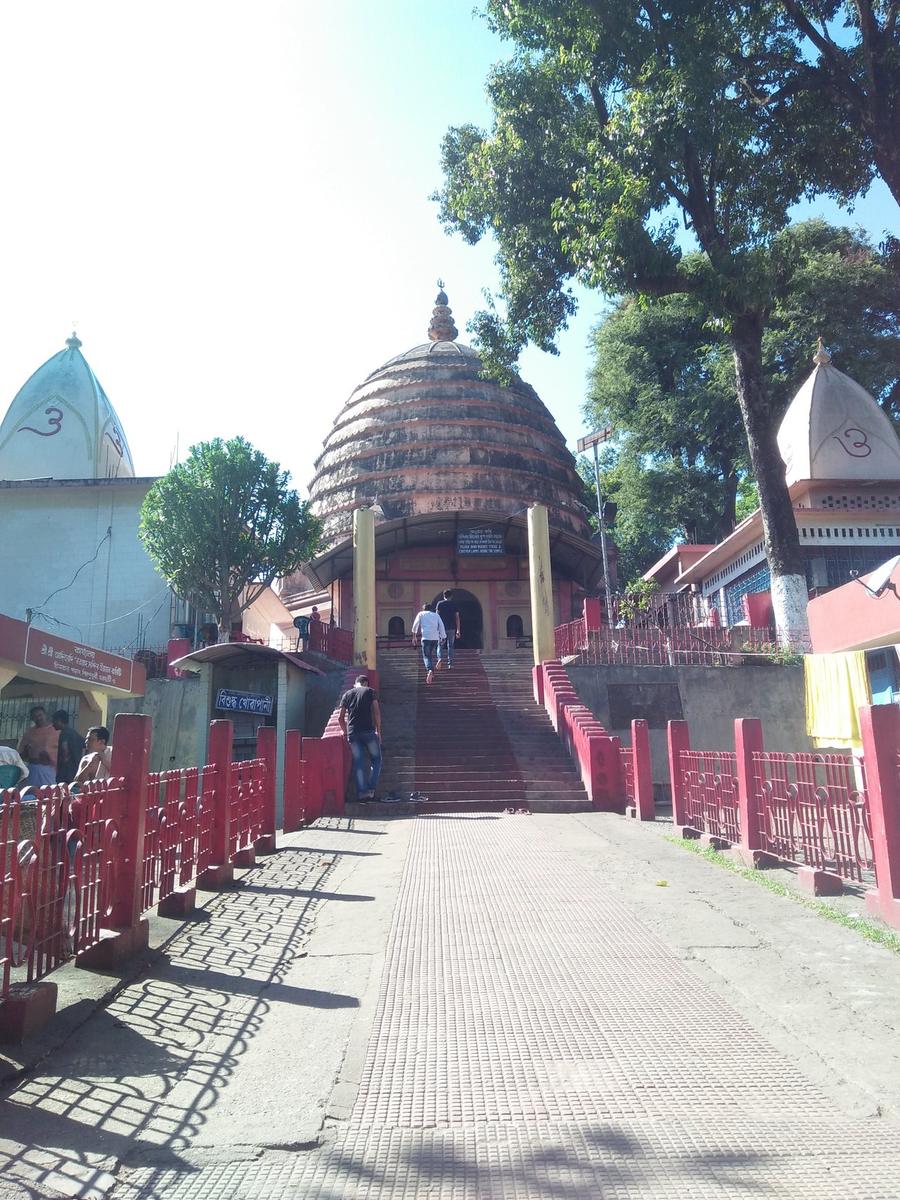
Set on Chitrachal Hill, also called Navagraha Pahaar, planet hill, this temple enshrines nine Shivalingams representing the nine celestial bodies of Vedic astrology: the Sun, Moon, Mars, Mercury, Jupiter, Venus, Saturn, Rahu and Ketu. The present structure was rebuilt in 1752 by the Ahom king Rajeswar Singha after earthquake damage, on a site whose astrological associations are older still, in a city once known as Pragjyotishpura, City of Eastern Astrology.
Kachari Ghat
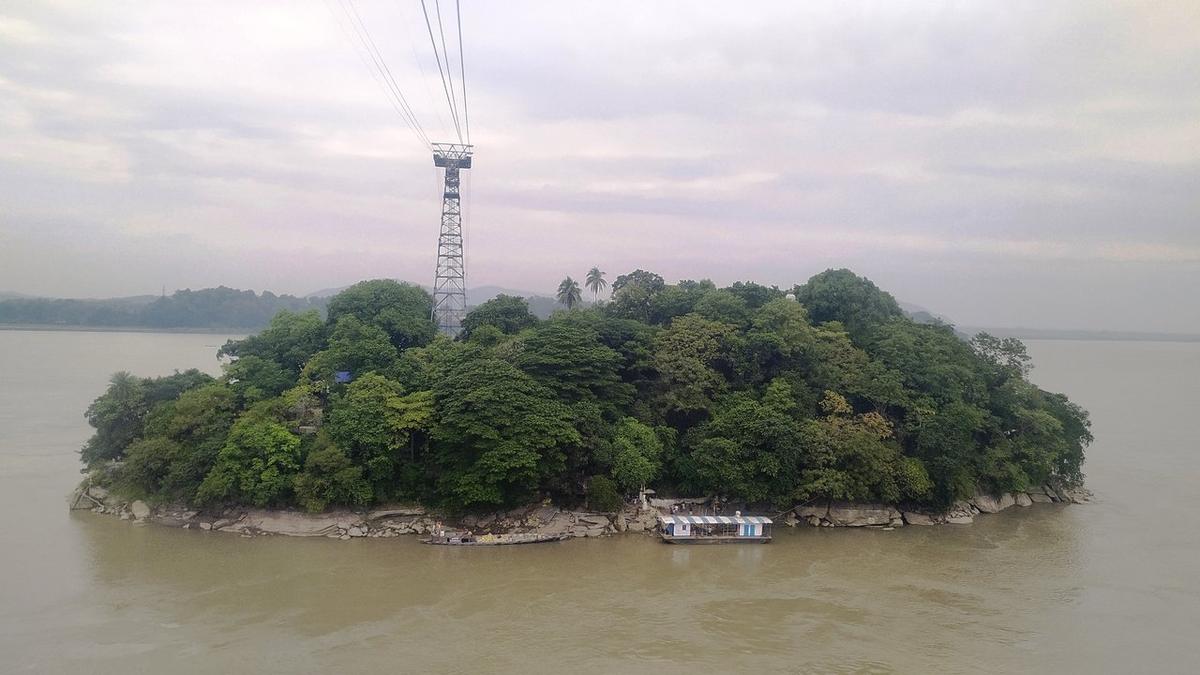
Opened in August 2020, the Guwahati Ropeway lifts off from Kachari Ghat and crosses the Brahmaputra to North Guwahati, passing directly over Umananda, at under half an acre, reckoned the smallest inhabited river island anywhere, its own temple first built in 1694 by the Ahom king Gadadhar Singha. The cable car was the first crossing of its kind here; before it, the only way across was the same slow ferry pilgrims have used for centuries.