Kolkata: The City of Joy
The Kolkata Safarnama runs 8.2 km across 5 monuments, from Victoria Memorial to Howrah Bridge, part of The Cultural Trail. Kolkata is known as the city of joy, here is the story the route tells, one stop at a time.
Victoria Memorial
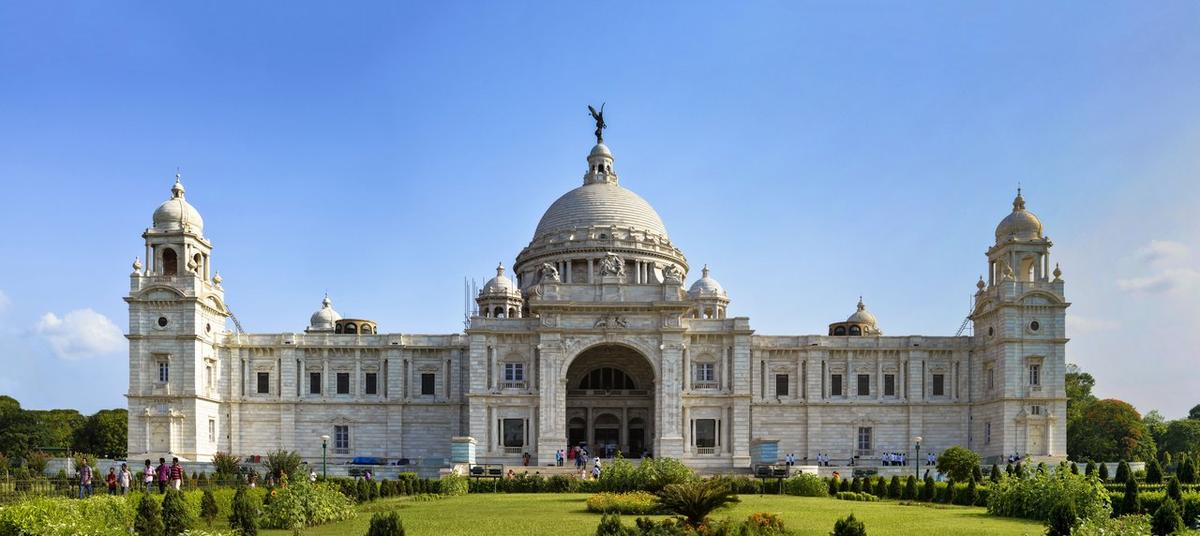
Commissioned in 1906 as a memorial to Queen Victoria, who died in 1901, the marble hall was designed by William Emerson and completed in 1921, funded largely by voluntary contributions from Indian princes and British officials alike. Victoria herself never visited Calcutta, or India at all, in her sixty-three-year reign; the building is a monument built entirely from a distance, to a ruler who ruled the country only on paper.
St Paul’s Cathedral
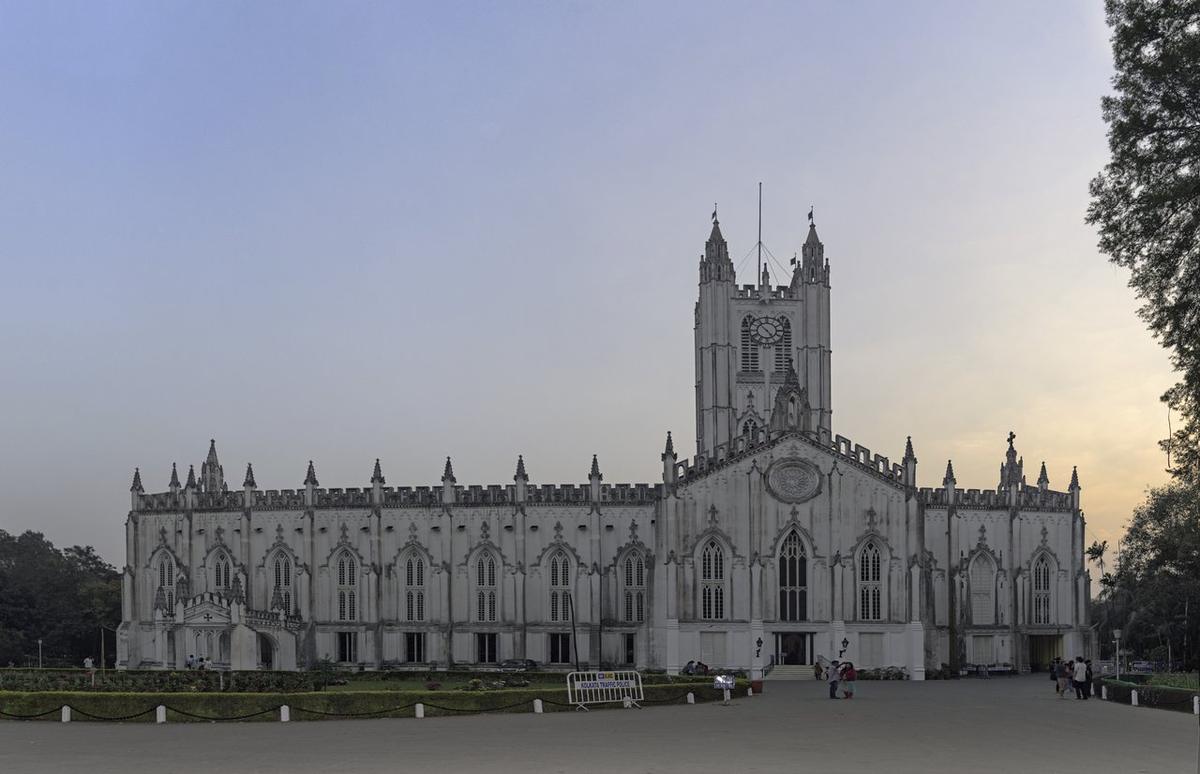
Consecrated in 1847, St Paul’s was the first Anglican cathedral built outside Britain in the colonial era, its Gothic revival tower modelled loosely on Canterbury and Norwich. Calcutta was then the capital of British India, the seat of the Viceroy, and the cathedral was built at the scale of a capital city’s church, not a provincial one.
Indian Museum
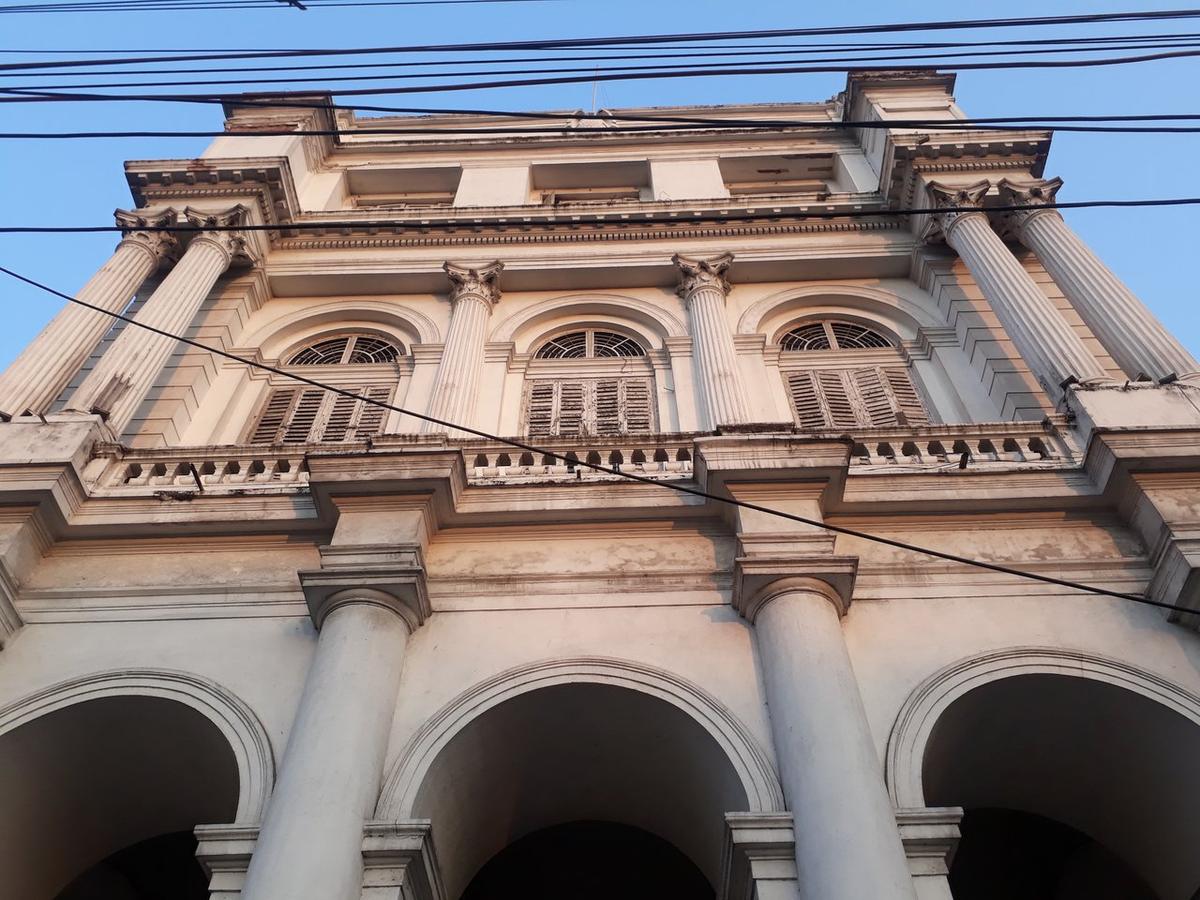
Founded in 1814 by the Asiatic Society and open to the public from this same purpose-built structure since 1878, the Indian Museum is the oldest and largest museum in India, and among the oldest in Asia. Its collections span geology, zoology, archaeology and art, including Bharhut Buddhist stupa railings more than two thousand years old, still standing in the galleries.
Marble Palace
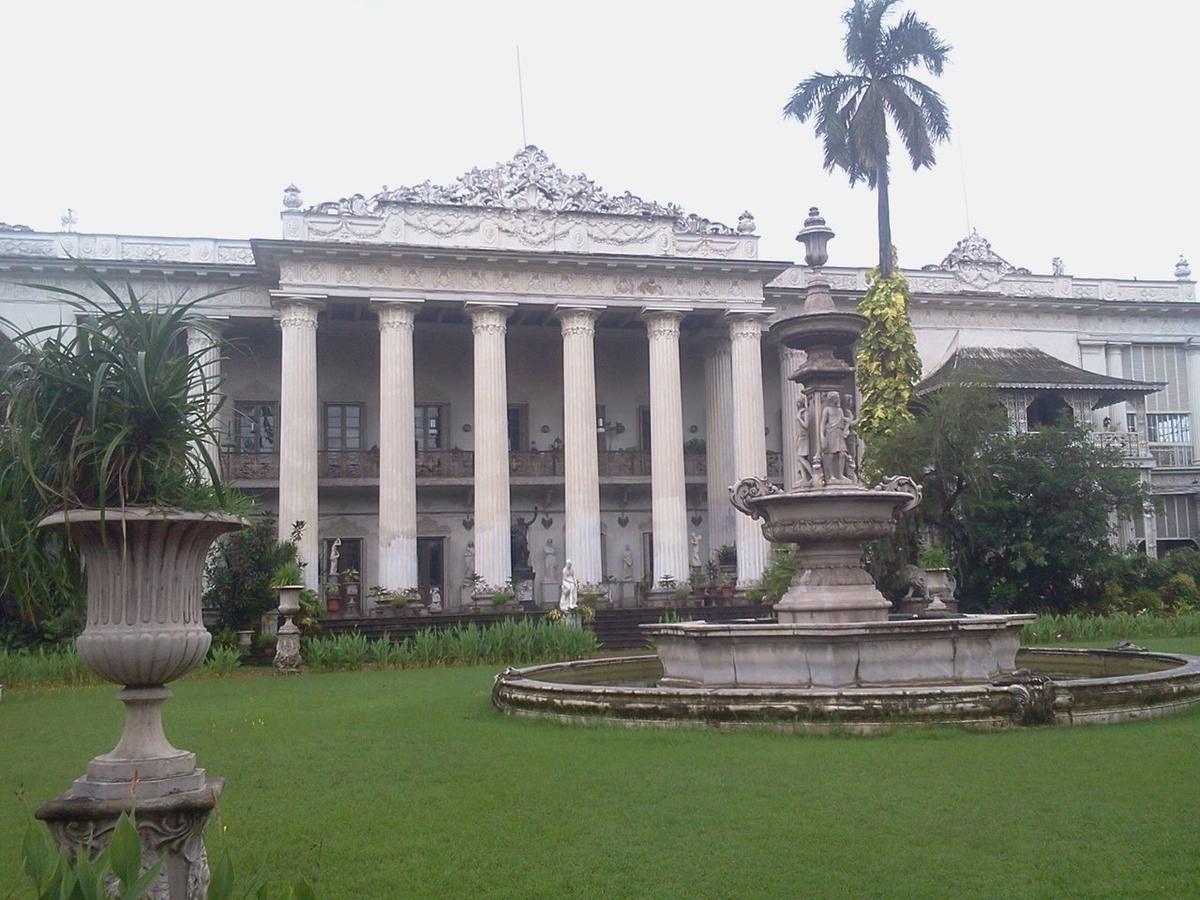
Built in 1835 by Rajendra Mullick, a wealthy Bengali merchant, Marble Palace houses one of India’s largest private art collections, Rubens, Reynolds, Bengal sculpture, behind a facade of, by some counts, over a hundred varieties of marble. Unlike almost everything else on this route, it was never a government building or a public monument: the Mullick family still owns and lives in part of it today.
Howrah Bridge
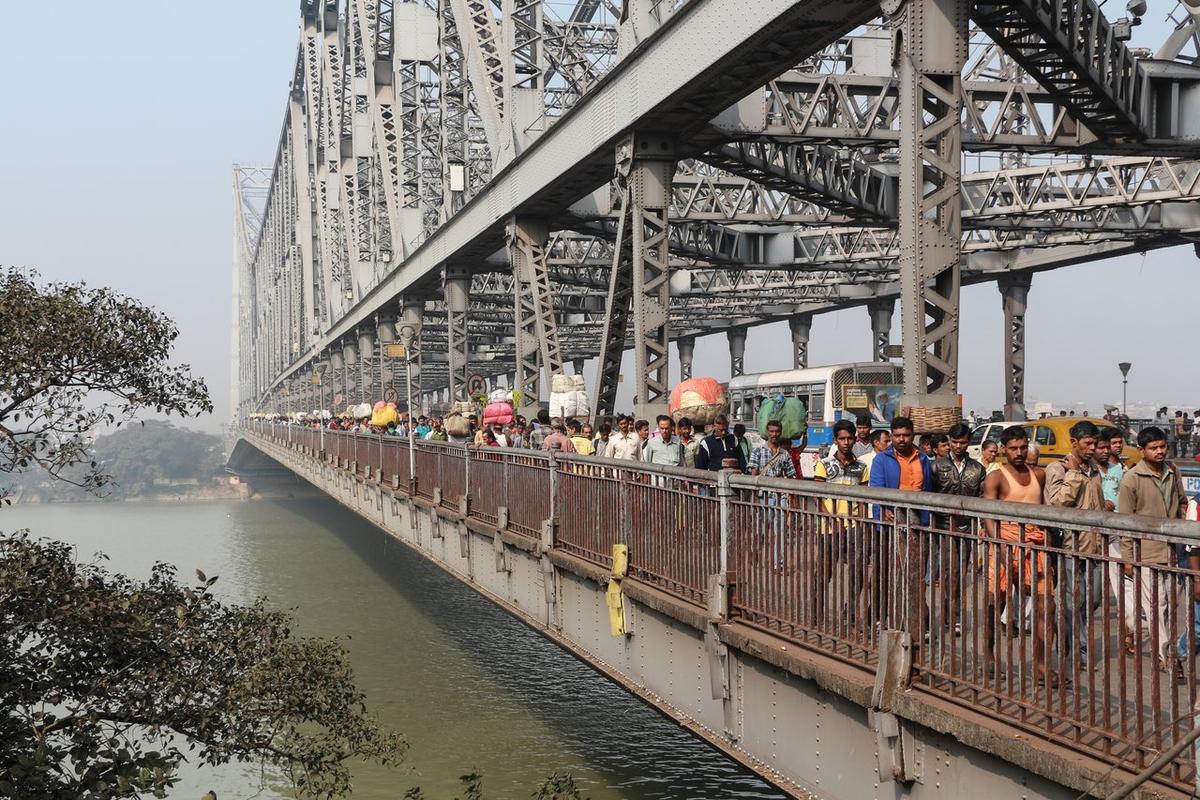
Opened in 1943 without a single nut or bolt, the entire 705-metre cantilever span is riveted together, Howrah Bridge (formally Rabindra Setu) carries an estimated 100,000 vehicles and countless more pedestrians daily across the Hooghly river, among the busiest bridges anywhere in the world. It replaced an older pontoon bridge that could no longer handle the city’s growing wartime traffic.