Konark: The Sun Temple
The Konark Safarnama runs 4.3 km across 5 monuments, from Nata Mandir to Chandrabhaga Beach, part of The Cultural Trail. Konark is known as the sun temple, here is the story the route tells, one stop at a time.
Nata Mandir
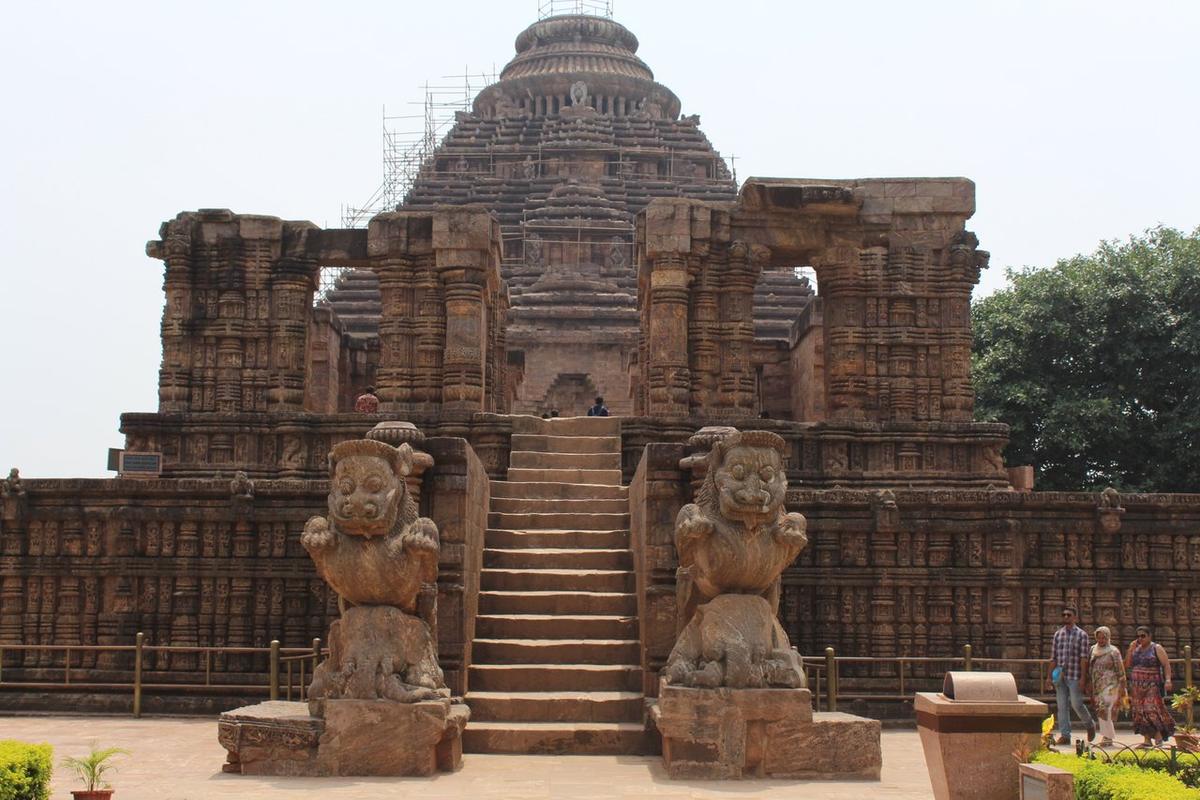
A detached hall standing on the same axis as the main temple, Nata Mandir was built for ritual dance performances dedicated to Surya. Its pyramidal roof collapsed long ago, along with the sanctum tower behind it, what remains is an open platform, still carrying its carved pillars and railings, still recognisably a stage even with nothing left overhead.
The Sun Temple
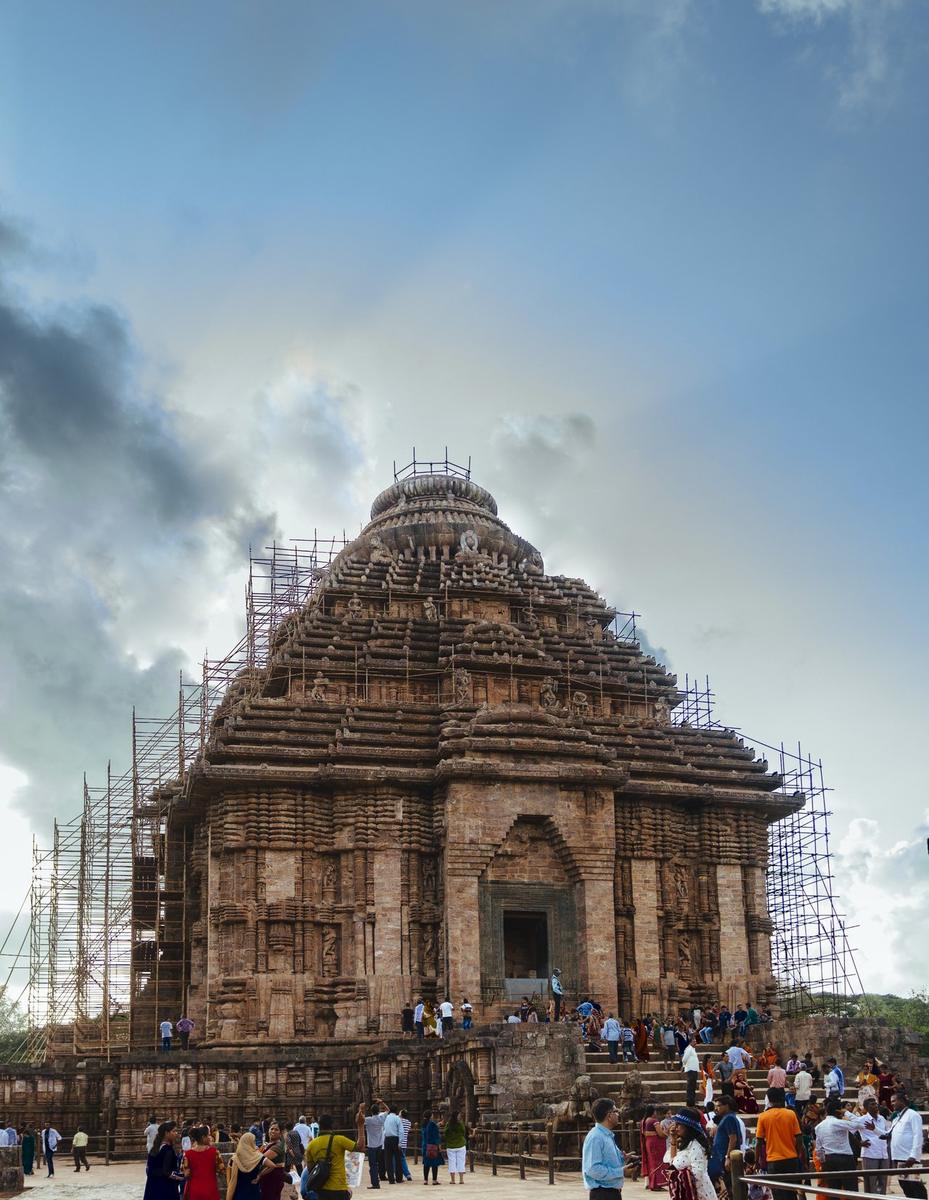
Commissioned around 1250 CE by King Narasimhadeva I of the Eastern Ganga dynasty, the temple was conceived as Surya’s colossal stone chariot: 24 carved wheels, each about three metres across with eight spokes doubling as a working sundial, drawn by seven horses. European sailors called it the Black Pagoda, a dark landmark against the coast. The original sanctum tower collapsed centuries ago; what still stands, monumentally, is the jagamohana, the audience hall the chariot was built to carry.
Mayadevi Temple
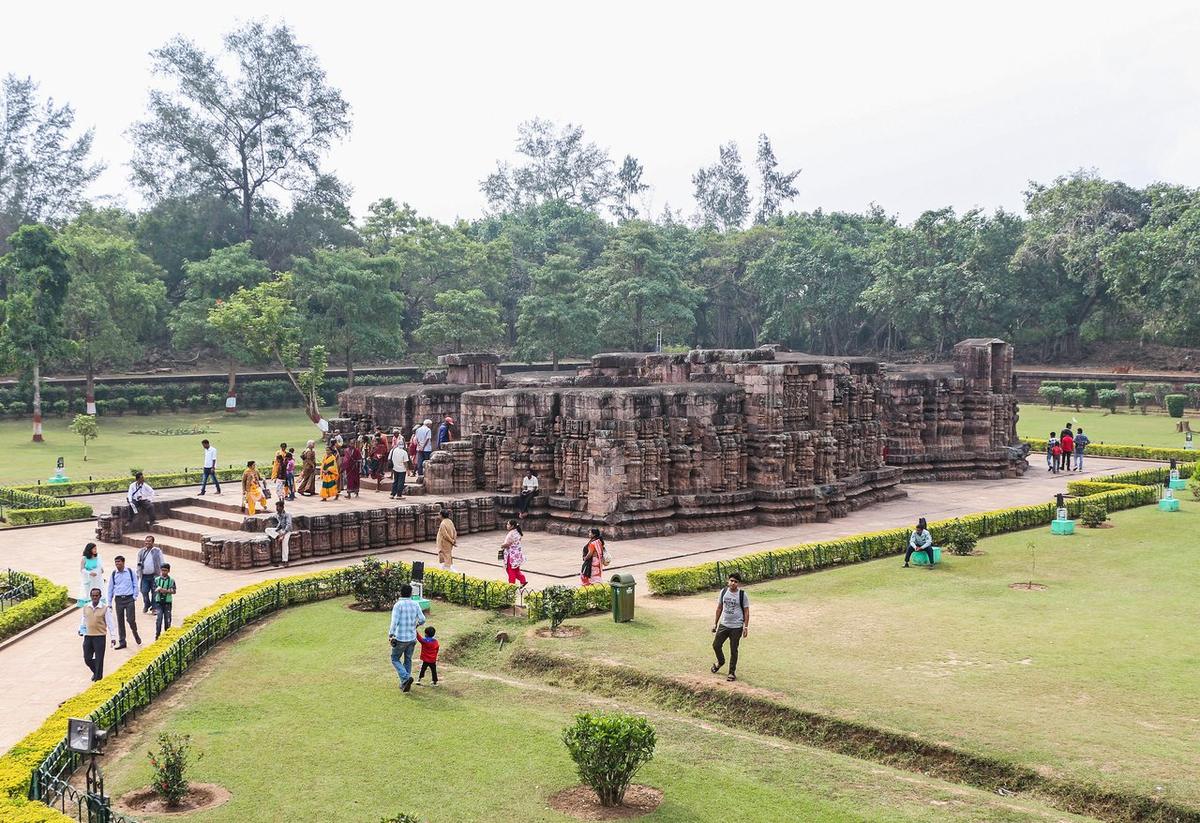
Predating the main Sun Temple by roughly a century and a half, Mayadevi is believed to have been an earlier shrine to Surya on this same site, later kept standing as a subsidiary temple once the grander chariot was built beside it rather than demolished to make way. Its sun images, carved into the side walls, are the clue that gave away its original purpose.
Archaeological Museum
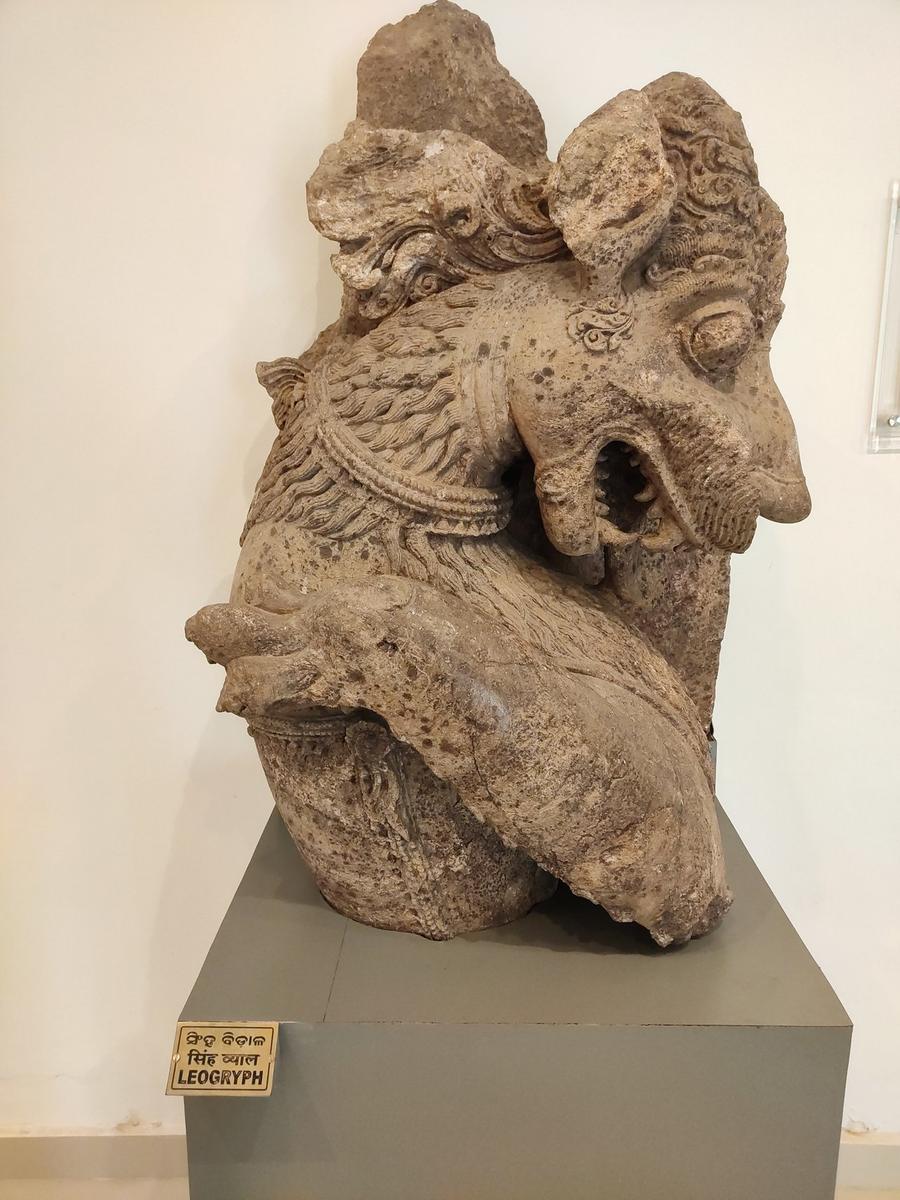
Established by the Archaeological Survey of India, the site museum holds sculpture recovered during excavation and conservation work at the temple, carved horses, guardian figures, and fragments like this leogryph, a lion-griffin hybrid carved under Narasimhadeva I, that had fallen or been removed from the main structure over the centuries. Without this building, most of it would simply have been lost or scattered.
Chandrabhaga Beach
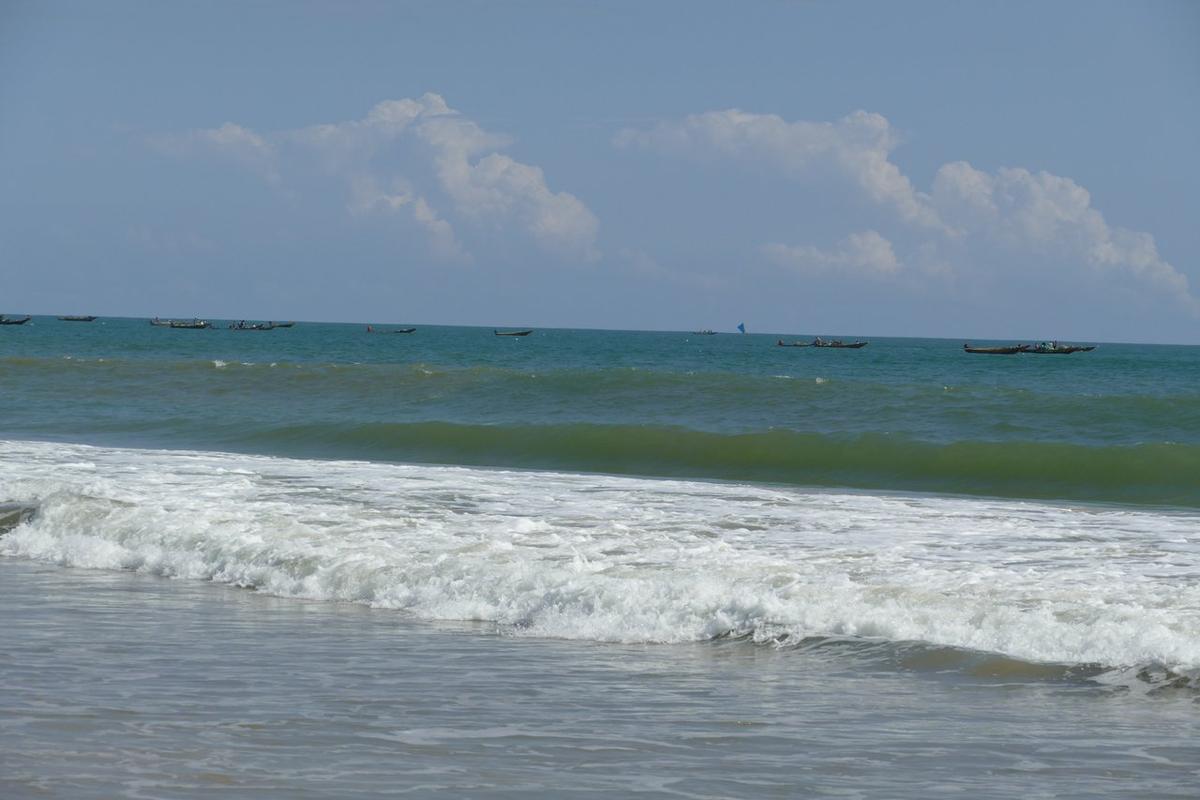
The Sun Temple once stood far closer to the sea than it does today; the coastline has receded gradually over the centuries, leaving Chandrabhaga a few kilometres south of the monument it was originally built to face. Pilgrims still gather here each year at the Magha Saptami festival for a dawn sea-bath, tied to the legend of Samba, Krishna’s son, said to have been cured of leprosy after worshipping Surya on this shore.