Leh: The Roof of India
The Leh Safarnama runs 6.1 km across 6 monuments, from Leh Main Bazaar to Shanti Stupa, part of The High Altitude Trail. Leh is known as the roof of india, here is the story the route tells, one stop at a time.
Leh Main Bazaar
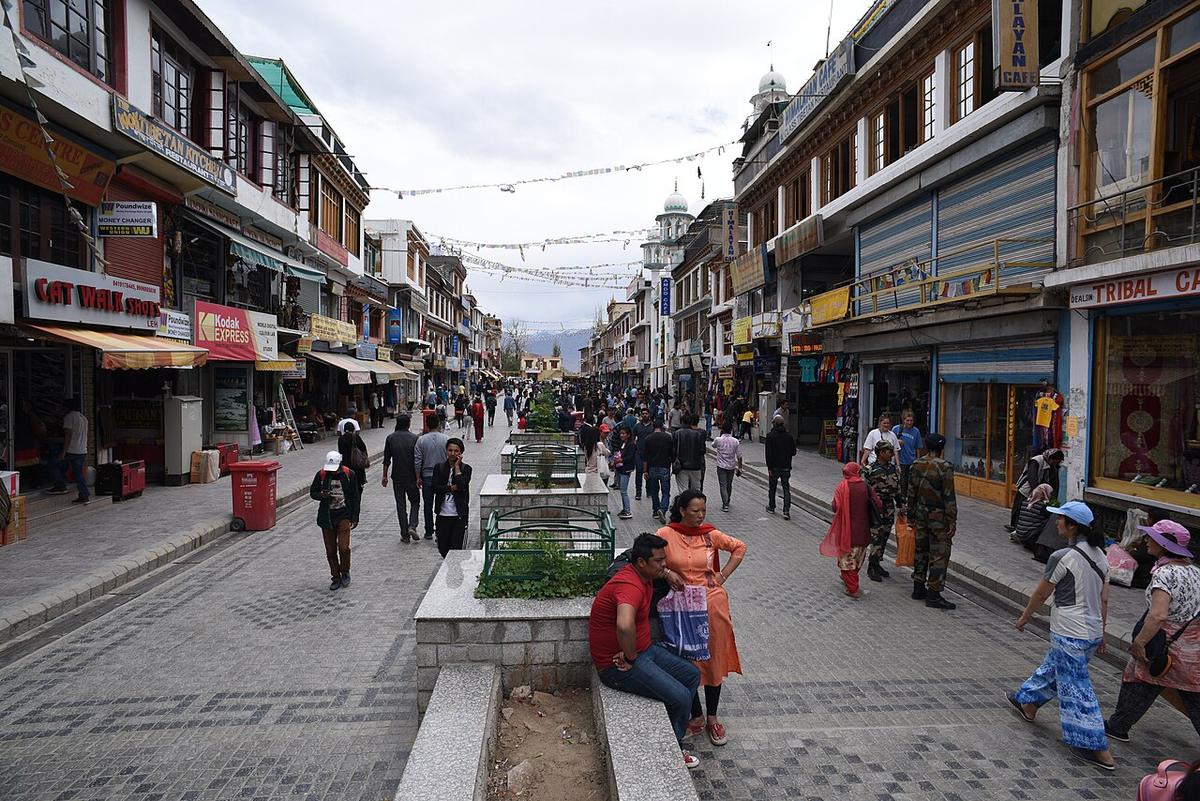
Leh Main Bazaar runs along the wide street directly below Leh Palace, the town’s commercial spine since it sat on the trans-Himalayan trade routes linking Kashmir, Tibet and Central Asia, caravans once carried pashmina wool, silk and salt through here before the borders that fed that trade closed in the 20th century. Rebuilt in recent years as a pedestrian-friendly square, it remains the first stop for every traveller into Ladakh and the last supply point before the mountains beyond.
Jama Masjid
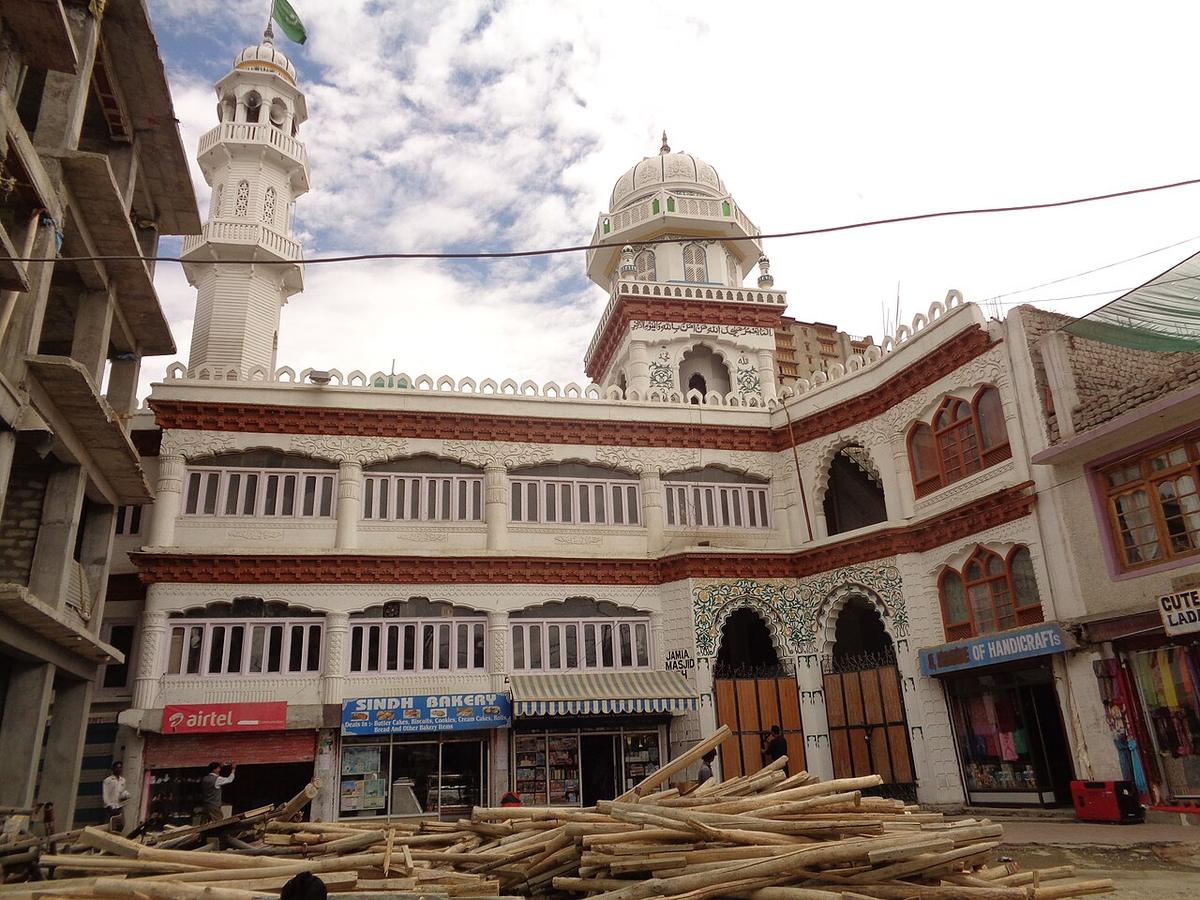
Painted a distinctive green and standing at the near end of the bazaar, Leh’s Jama Masjid dates to the reign of King Deldan Namgyal in the mid-17th century, built as part of a treaty securing peace with the Mughal empire in exchange for permitting a mosque inside the Buddhist kingdom’s own capital. It remains the central mosque for Leh’s Muslim community in a townscape otherwise dominated by monasteries and chortens.
Leh Palace
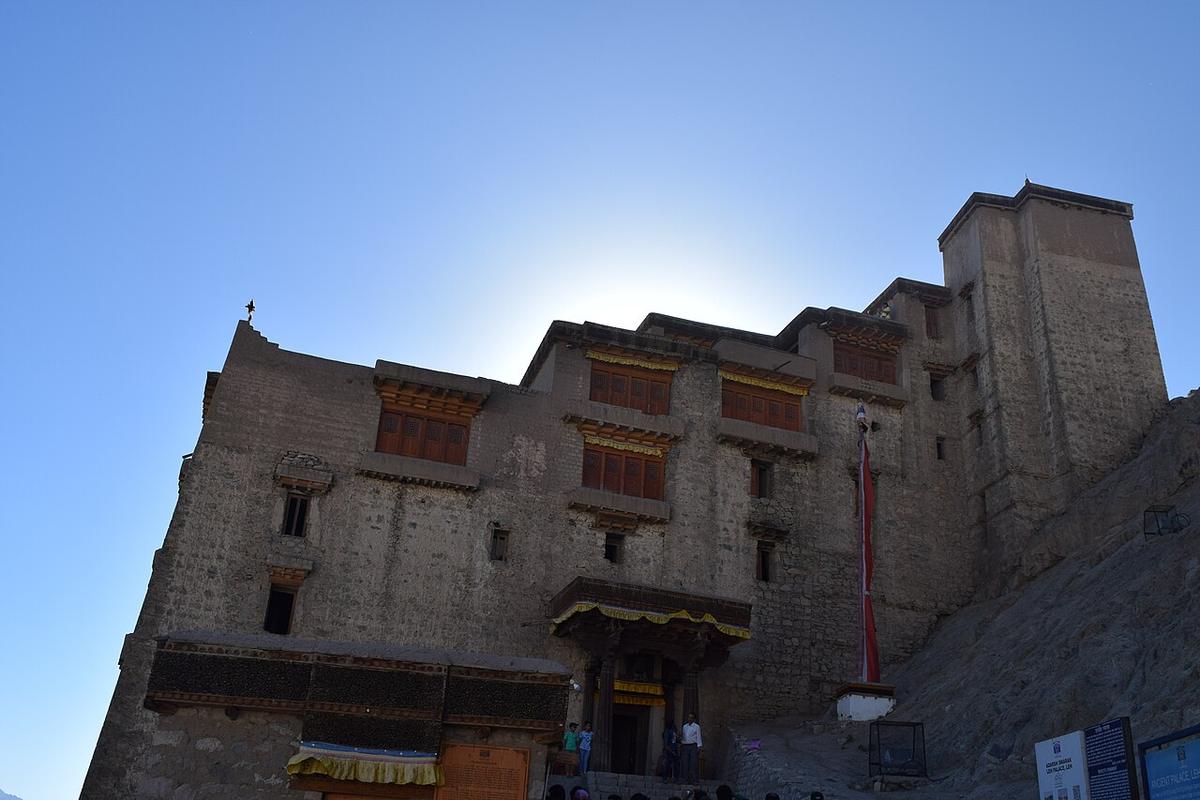
Built around 1600 by King Sengge Namgyal on the model of Tibet’s Potala Palace, Leh Palace was the seat of the Namgyal dynasty until Dogra forces took Ladakh in the mid-19th century and the royal family relocated to Stok Palace across the Indus. Nine storeys of mud brick and timber rise above the old town, the upper floors for the royal family, the lower for stables and storage, and after long decades empty and deteriorating it is now under restoration by the Archaeological Survey of India, partly open to visitors.
Namgyal Tsemo Monastery
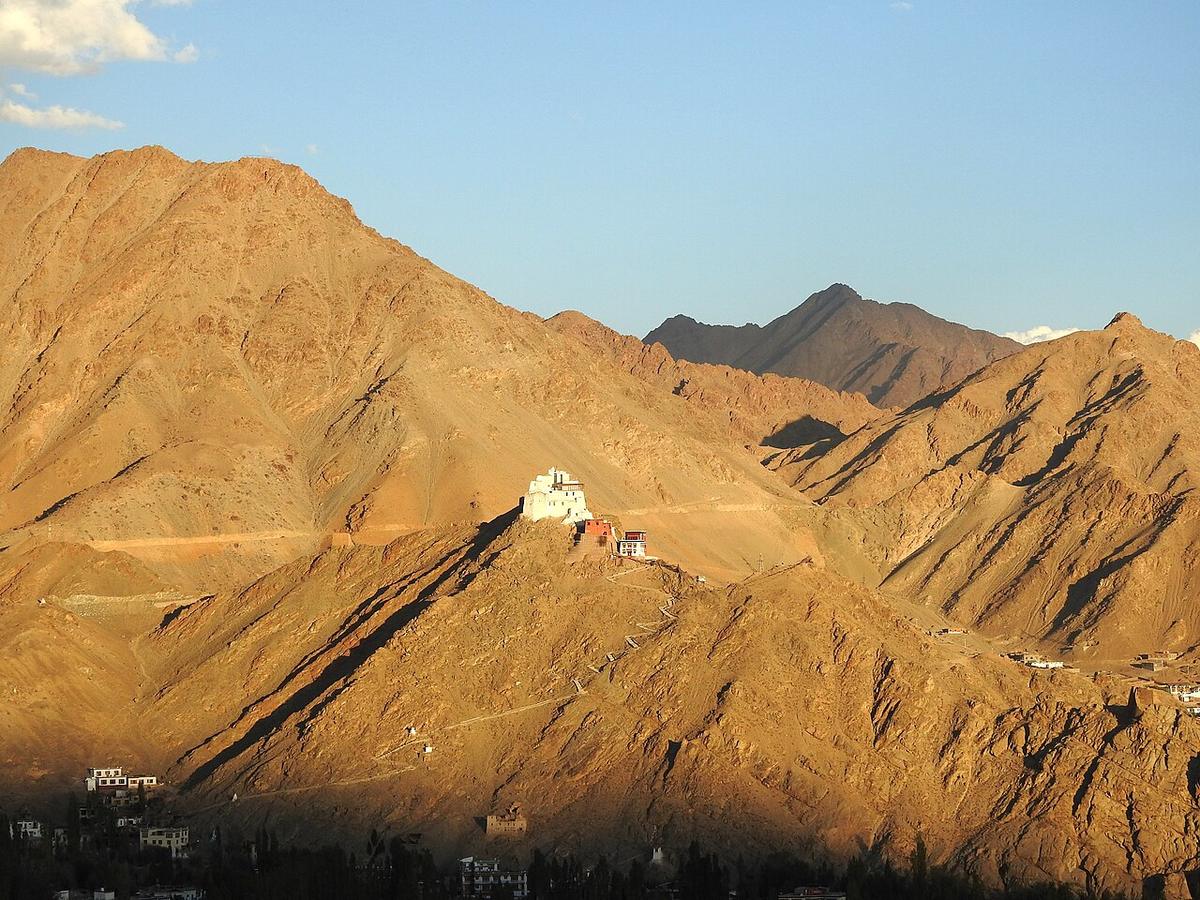
Founded in the mid-16th century by King Tashi Namgyal on the ridge above his own palace, Namgyal Tsemo houses a three-storey gilded statue of Maitreya, the future Buddha, alongside ancient manuscripts and wall paintings. The adjoining Tsemo Fort is older than the monastery itself, and gives the hill commanding views down the Indus valley in every direction, the reason a fort stood on this exact spot before a monastery ever did.
Sankar Monastery
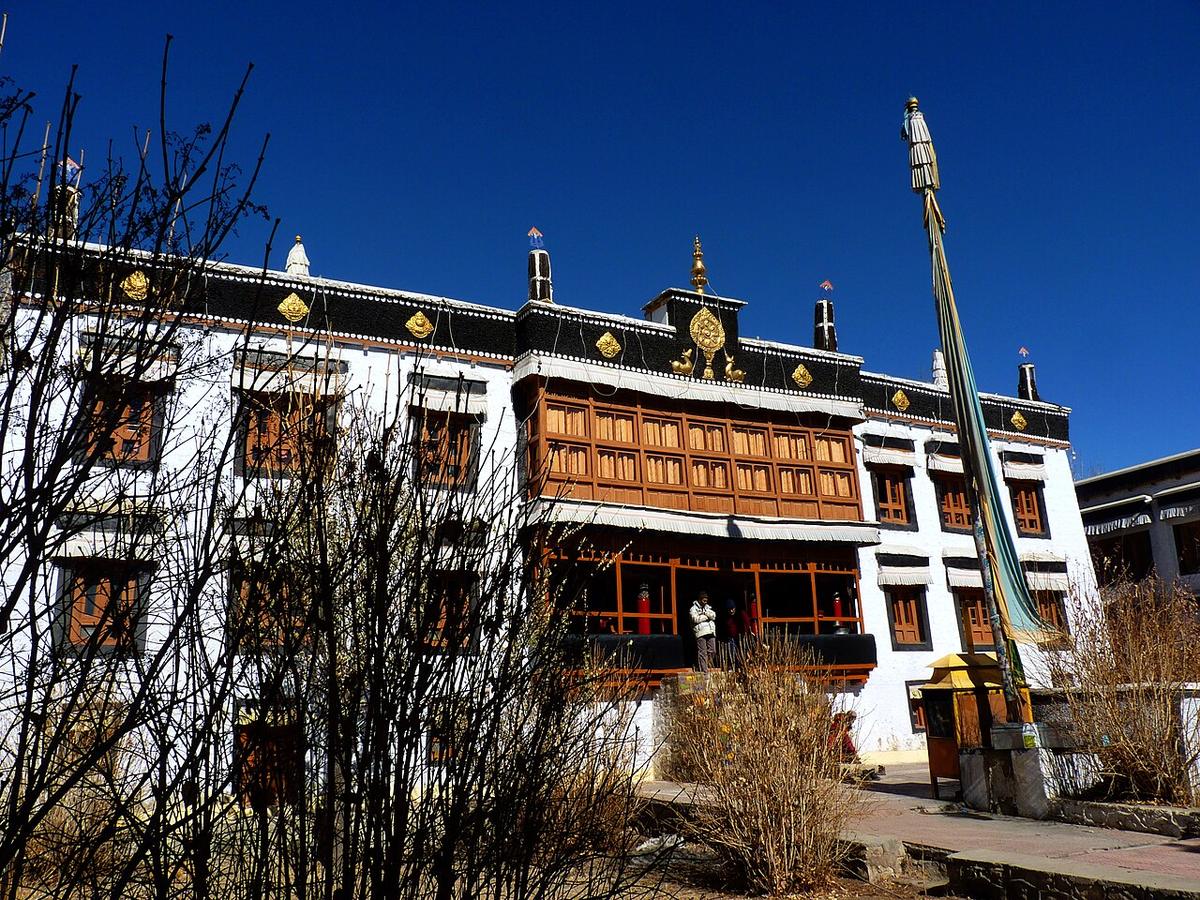
A daughter establishment of the larger Spituk Monastery, Sankar Gompa is the residence of the Kushok Bakula, the senior incarnate lama of Ladakh, and sits an easy half-hour walk from Leh’s centre through the northern edge of town. Small and quiet next to the fortress-monasteries on the skyline, it holds a thousand-armed statue of Avalokiteshvara and is one of the few monasteries in the region still lived in daily rather than visited only on festival days.
Shanti Stupa
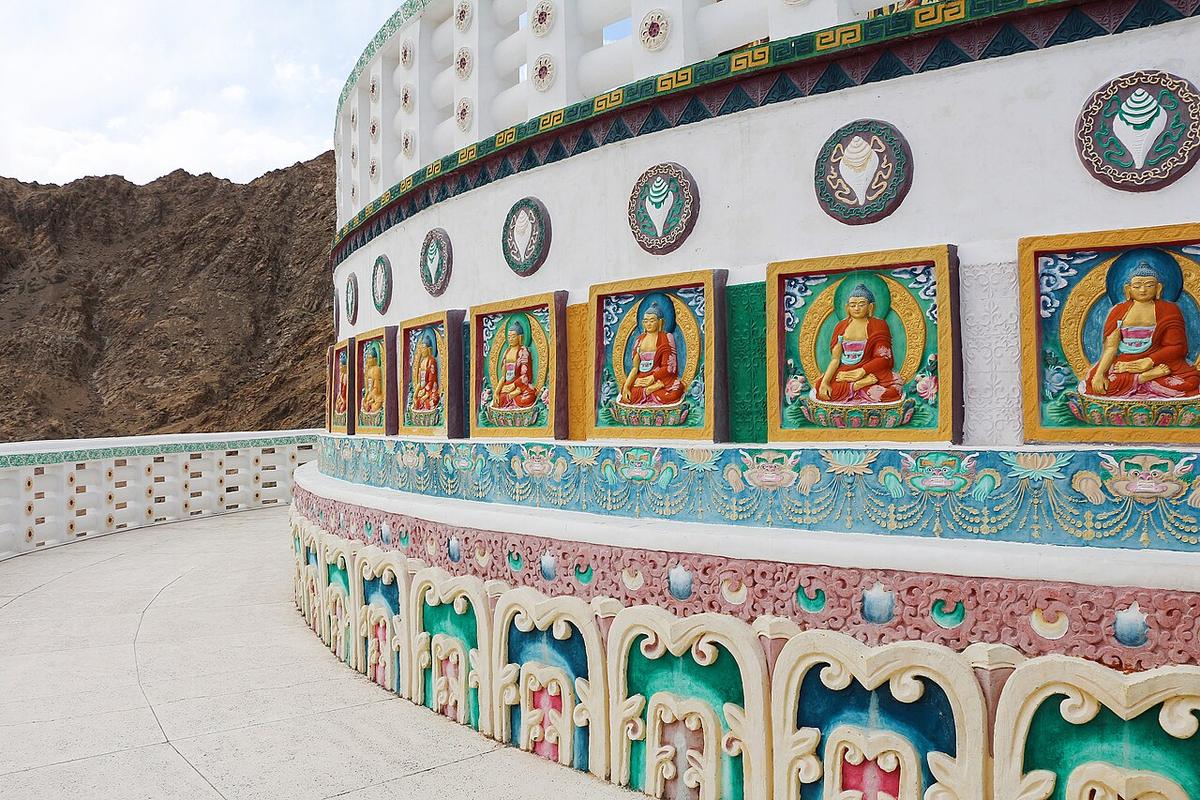
Built in 1991 by the Japanese Buddhist monk Bhikshu Gyomyo Nakamura as part of a worldwide peace pagoda movement, the white-domed Shanti Stupa stands on a hilltop above Changspa with relics of the Buddha enshrined at its base by the 14th Dalai Lama, who had inaugurated an earlier stupa on the same site in 1985. Its terrace gives a near-360-degree view over Leh, the palace on its own hill across town, and the Ladakh range beyond, watched at sunrise and sunset alike.