Madurai: The City of Nectar
The Madurai Safarnama runs 6.4 km across 5 monuments, from Madurai Junction to Vandiyur Mariamman Teppakulam, part of The Temple Trail. Madurai is known as the city of nectar, here is the story the route tells, one stop at a time.
Madurai Junction
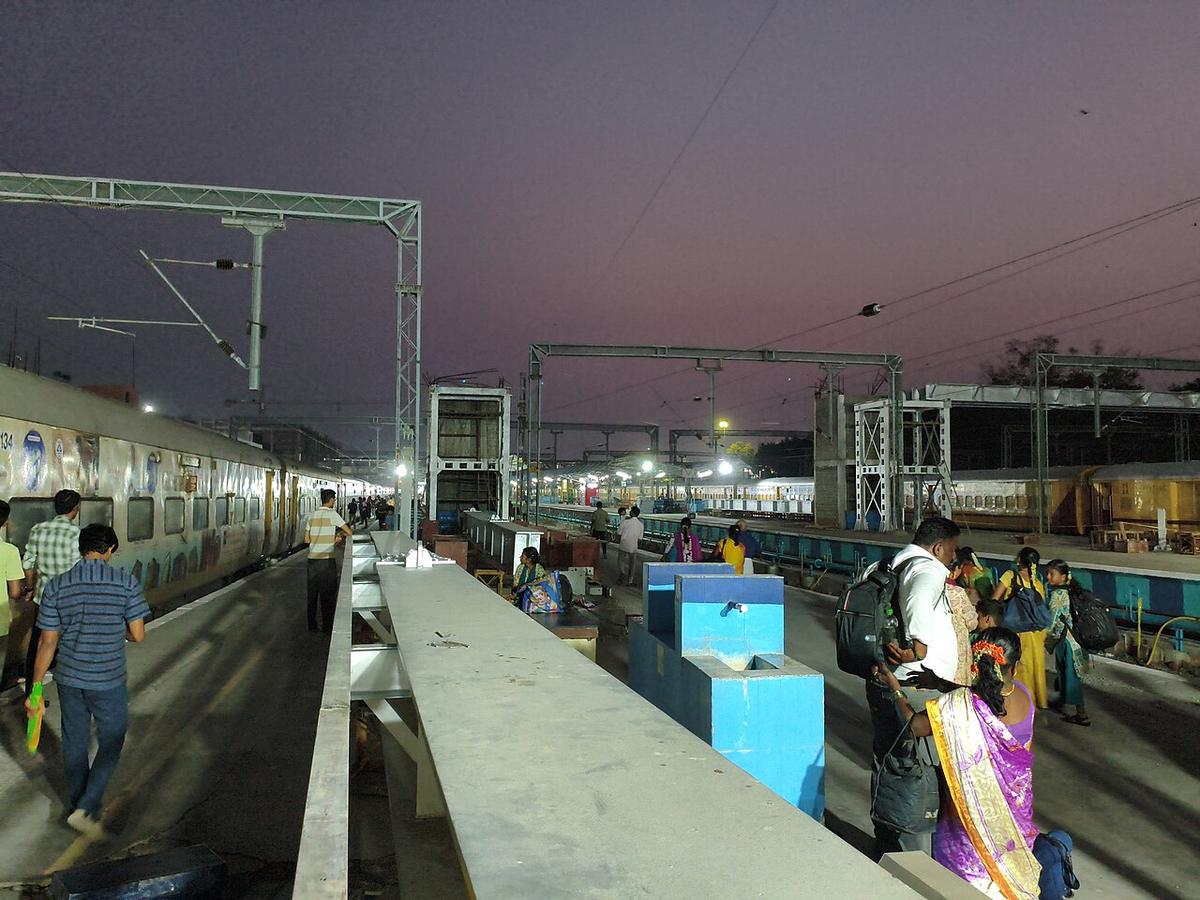
Opened in 1875 under the Madras and Southern Mahratta Railway, and rebuilt from metre gauge to broad gauge in 1999, Madurai Junction is the gateway to a city that was already old when this line was laid, Tamil literature places a settlement here as far back as the 6th century, and by some reckonings Madurai is one of the longest continuously inhabited cities in India. The station is currently listed for further modernisation under the Amrit Bharat Station Scheme.
Koodal Azhagar Temple
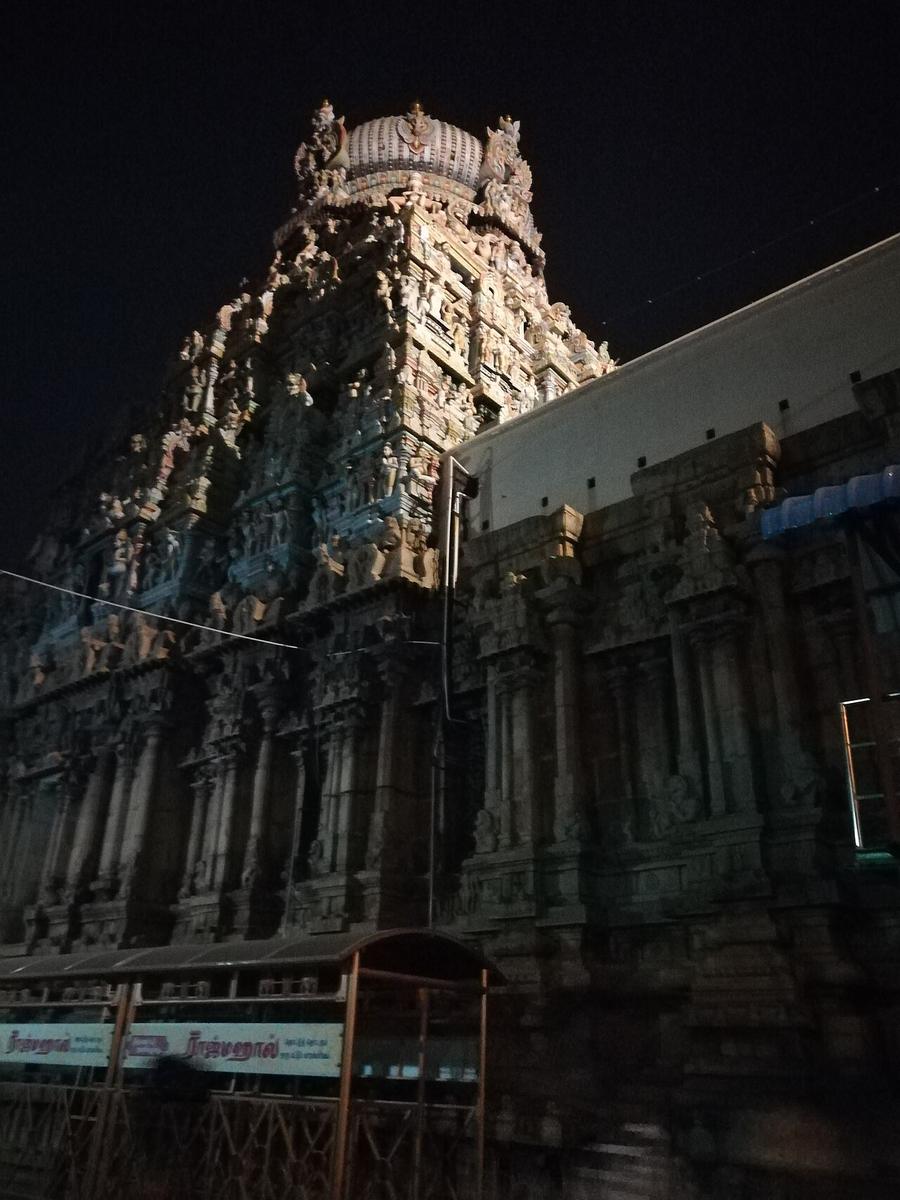
A Divya Desam, one of 108 temples to Vishnu named in the canon of the Tamil Alvar poet-saints, with an 8th-century inscription recording donations of granite for its construction, later expanded under the Vijayanagara Empire and the Madurai Nayaks. Its five-tiered gopuram rises 125 feet, and legend gives the temple’s name, Koodal, to the whole city: during a mythical flood, Vishnu is said to have stood here as a bulwark against the deluge, and Madurai’s own ancient name, Koodal Nagar, remembers him for it.
Meenakshi Amman Temple
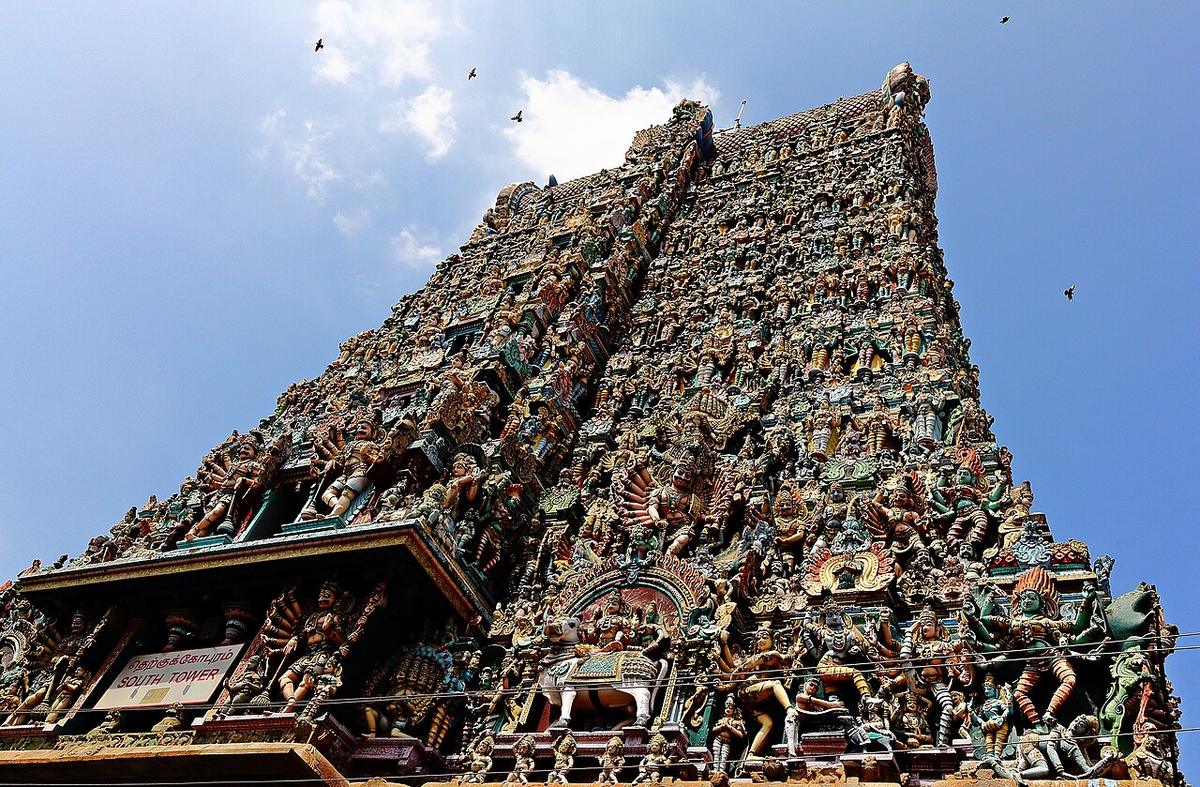
First referenced in Tamil texts from the 6th century and given its earliest masonry under the Pandya emperor Kulasekaran I in the early 13th century, this temple to the fish-eyed goddess Meenakshi and her consort Sundareswarar was razed by Malik Kafur’s forces in 1311 and rebuilt from the ground up after the Vijayanagara Empire retook Madurai in 1378. The Madurai Nayaks then spent two centuries adding to it: fourteen gopurams in total, the tallest, the south tower, rising 170 feet with roughly 4,000 carved mythological figures, a Thousand-Pillar Hall of 985 individually sculpted columns, and a Golden Lotus Tank at its heart. In 1939, Dalit activists entered the temple in defiance of its exclusionary access rules, a protest that helped force the law changes that opened Tamil temples to everyone the same year.
Thirumalai Nayakkar Mahal
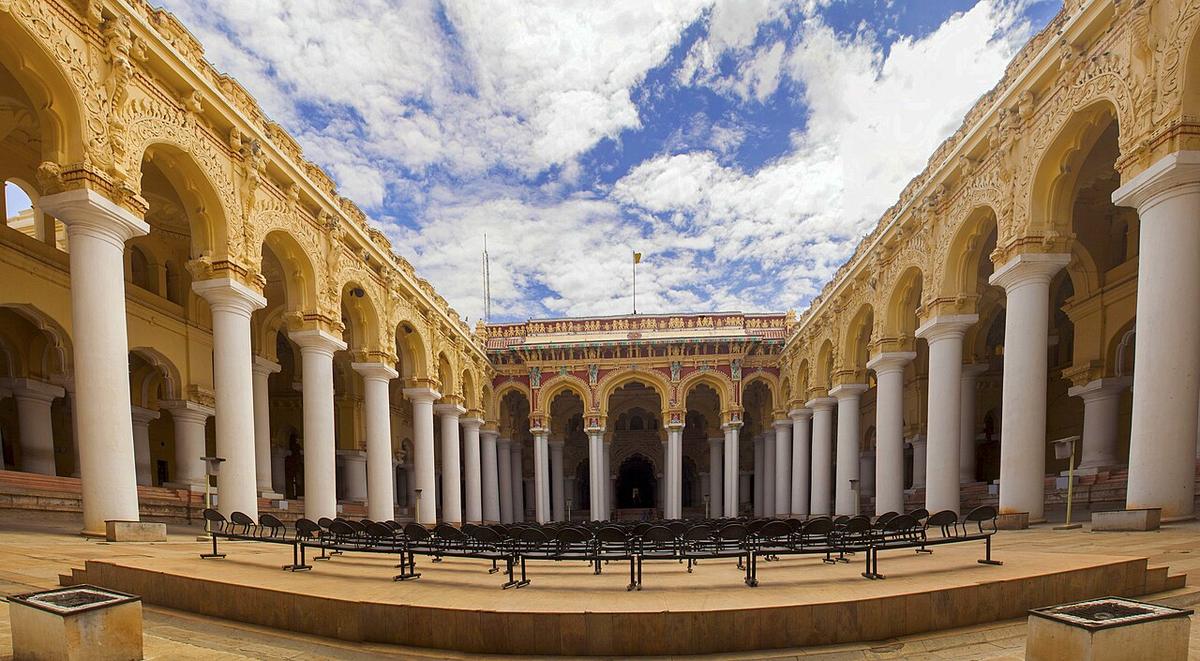
Built between the 1620s and 1636 by Tirumala Nayaka in the late Tamil-country Nayaka style, this palace originally covered more than half a million square feet, roughly four times the footprint of what still stands. Its circular pillars rise 82 feet, and the domed throne room, the Swarga Vilasam, spans 60 to 70 feet without a single supporting beam. Tirumala Nayaka’s own grandson stripped much of the ornamentation for a palace of his own in the 18th century; what remained served the British as barracks, a factory and a district courthouse until 1970, before restoration returned it to public view.
Vandiyur Mariamman Teppakulam
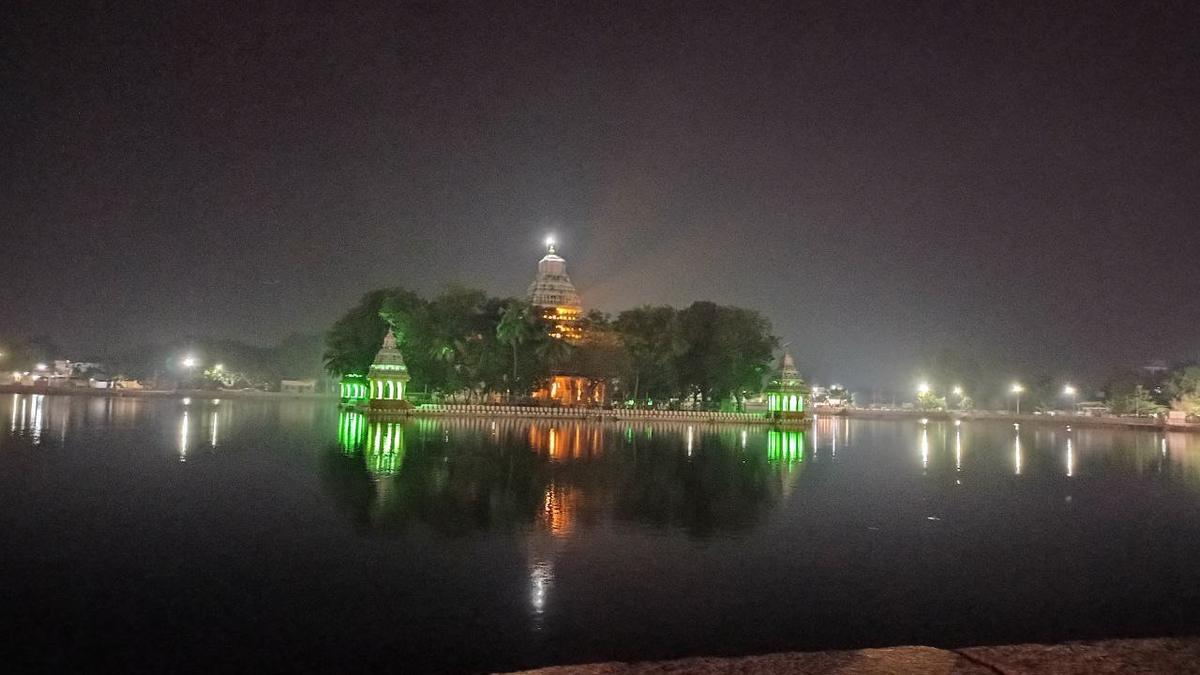
A vast temple tank built during the Madurai Nayak period, fed by underground channels from the Vaigai River, with a small island mandapam at its centre holding a shrine to Vinayakar. Once a year, on Thaipusam, the deities of Meenakshi Amman Temple are carried here in procession and floated across the tank on an illuminated raft for the Teppa Thiruvizha float festival, a temple built two kilometres away, brought to the water instead of the water brought to it.