Mumbai: The City of Dreams
The Mumbai Safarnama runs 10.7 km across 6 monuments, from Gateway of India to Haji Ali Dargah, part of The Coastline Trail. Mumbai is known as the city of dreams, here is the story the route tells, one stop at a time.
Gateway of India
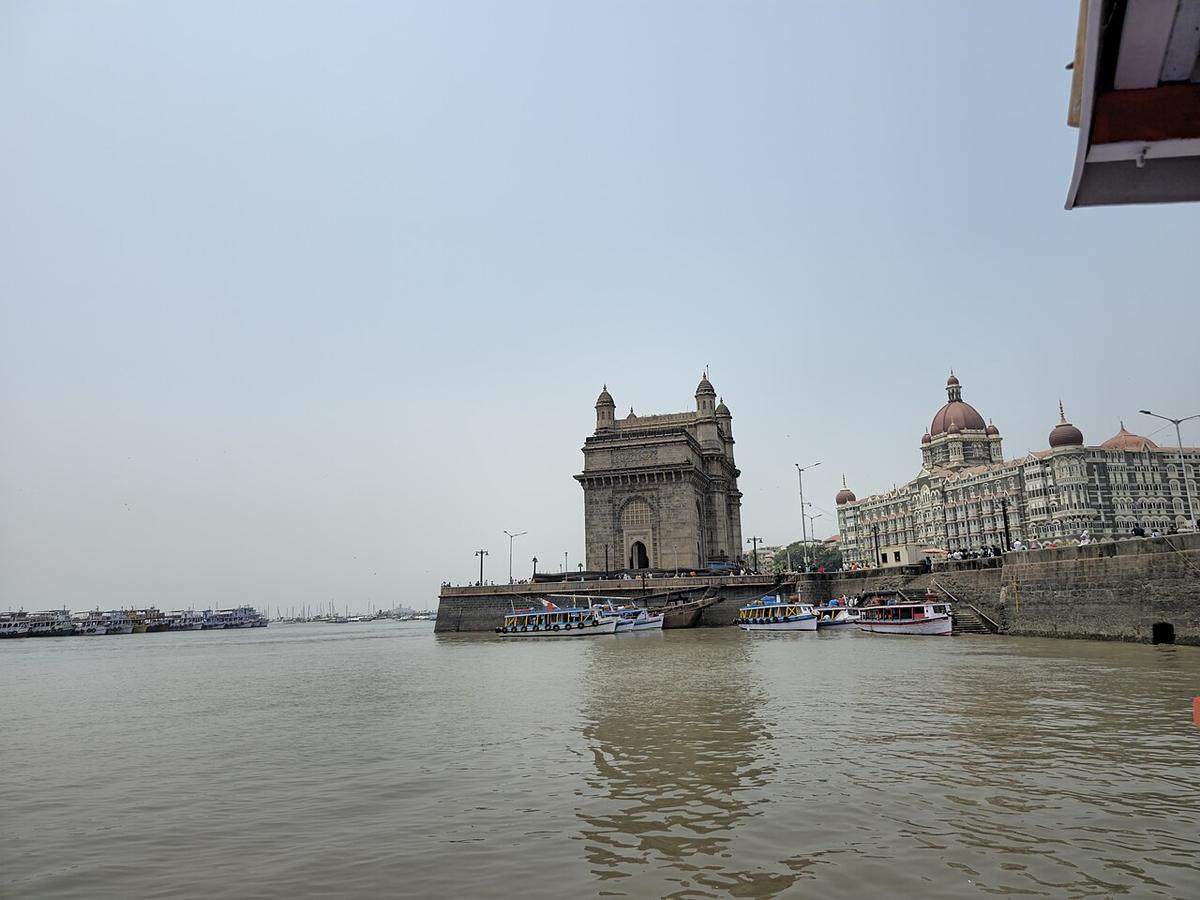
Completed in 1924 on Mumbai’s waterfront, this basalt memorial arch was built to commemorate the 1911 landing of King George V and Queen Mary, the first reigning British monarchs to visit India, though the final Indo-Saracenic design by George Wittet, drawing on 16th-century Gujarati architecture, was not sanctioned until three years later. For a quarter-century it served as the ceremonial entry point for arriving colonial officials; then, on 28 February 1948, it became the exit instead, the spot where the last British troops in India marched through and departed for good.
Taj Mahal Palace Hotel
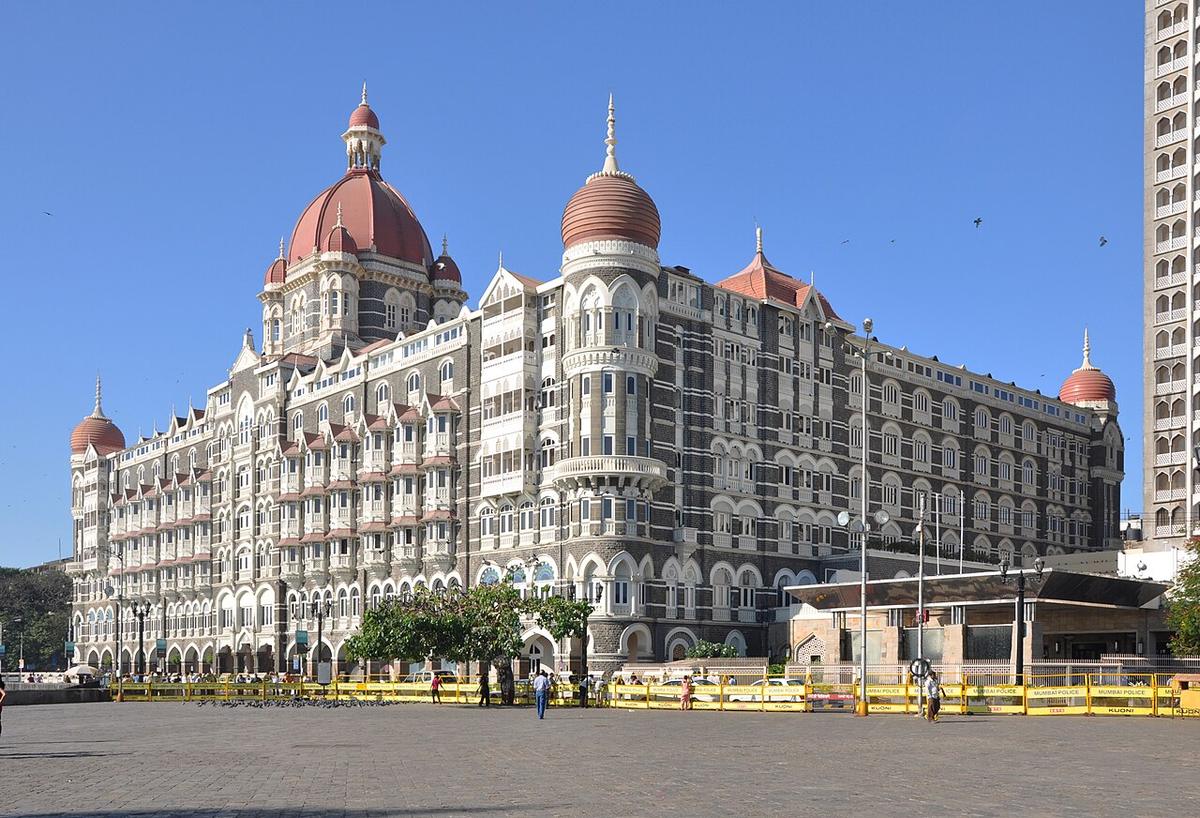
Opened in 1903 by the industrialist Jamsetji Tata, the Taj Mahal Palace has been considered one of the finest hotels in the East since the days of the Raj, its Indo-Saracenic domes rising directly beside the Gateway it predates by two decades. It was one of the main targets of the November 2008 Mumbai attacks, in which gunmen held the hotel under siege for three days; it reopened its damaged wings within weeks and finished a full restoration within two years.
Flora Fountain
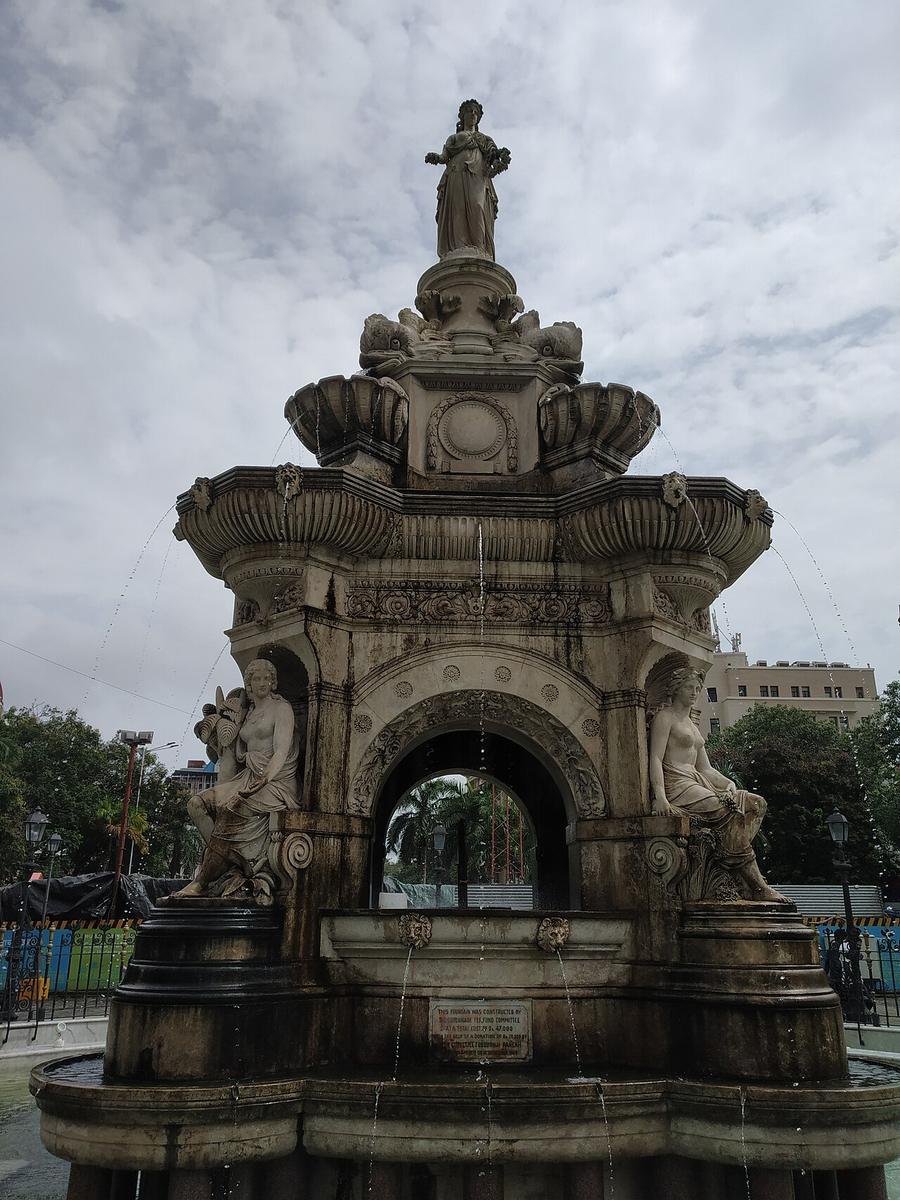
Carved from imported Portland stone and unveiled in 1864 at a cost of roughly 47,000 rupees, this fountain depicts the Roman goddess Flora atop an ornately sculpted base, at what was then the western edge of the old walled Fort area and is now the southern end of Dadabhai Naoroji Road. The square around it, Hutatma Chowk, “Martyrs’ Square”, was renamed in 1960 to honour those killed in the movement for a separate Maharashtra state, and now holds a memorial alongside the Victorian fountain.
Chhatrapati Shivaji Maharaj Terminus
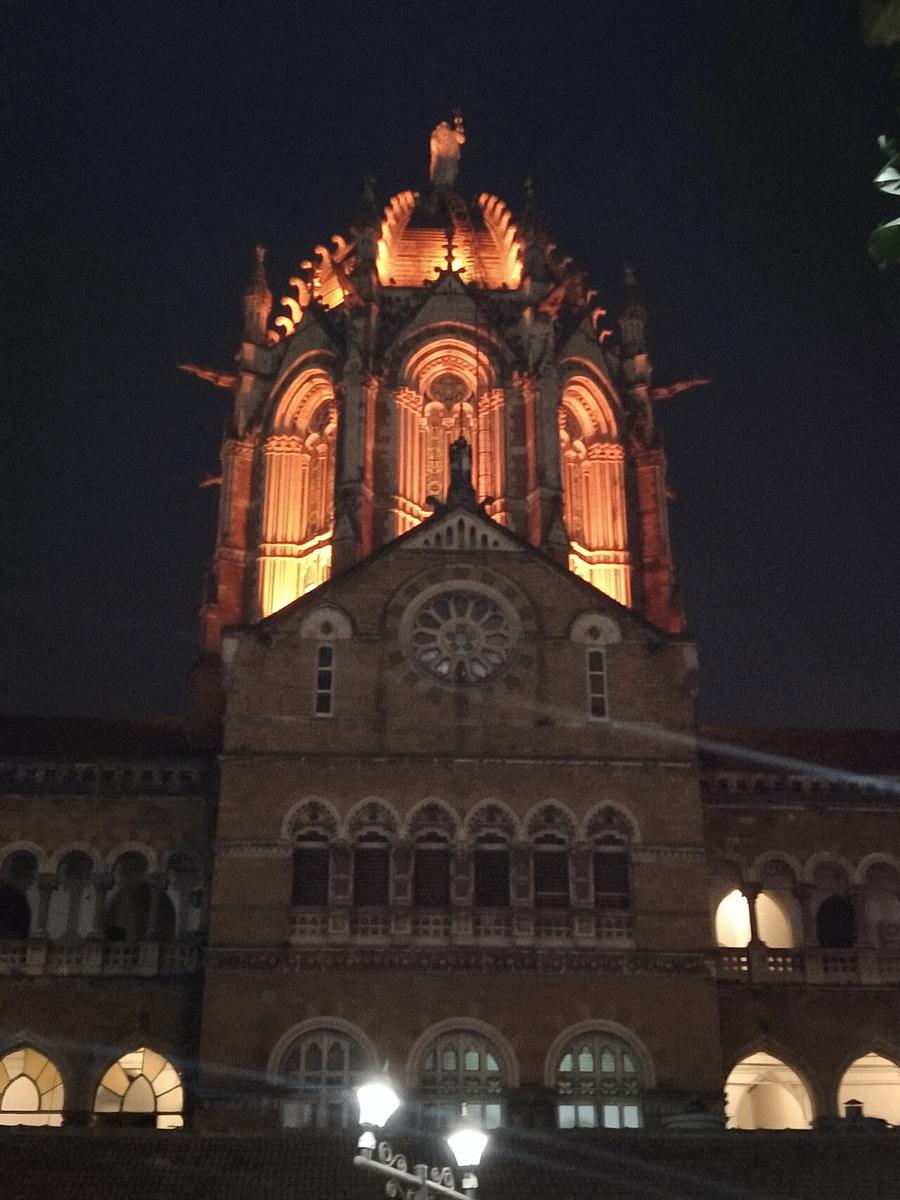
Designed by the British engineer Frederick William Stevens in an exuberant Indo-Gothic style and completed in 1887, the year of Queen Victoria’s Golden Jubilee, this terminus opened to the public the following year as Victoria Terminus, the name it carried until 1996, when it was renamed for the 17th-century Maratha king Shivaji. UNESCO listed it as a World Heritage Site in 2004; it remains one of the busiest railway stations in India, moving millions of passengers a day through a building designed to look like nothing else on the line.
Marine Drive
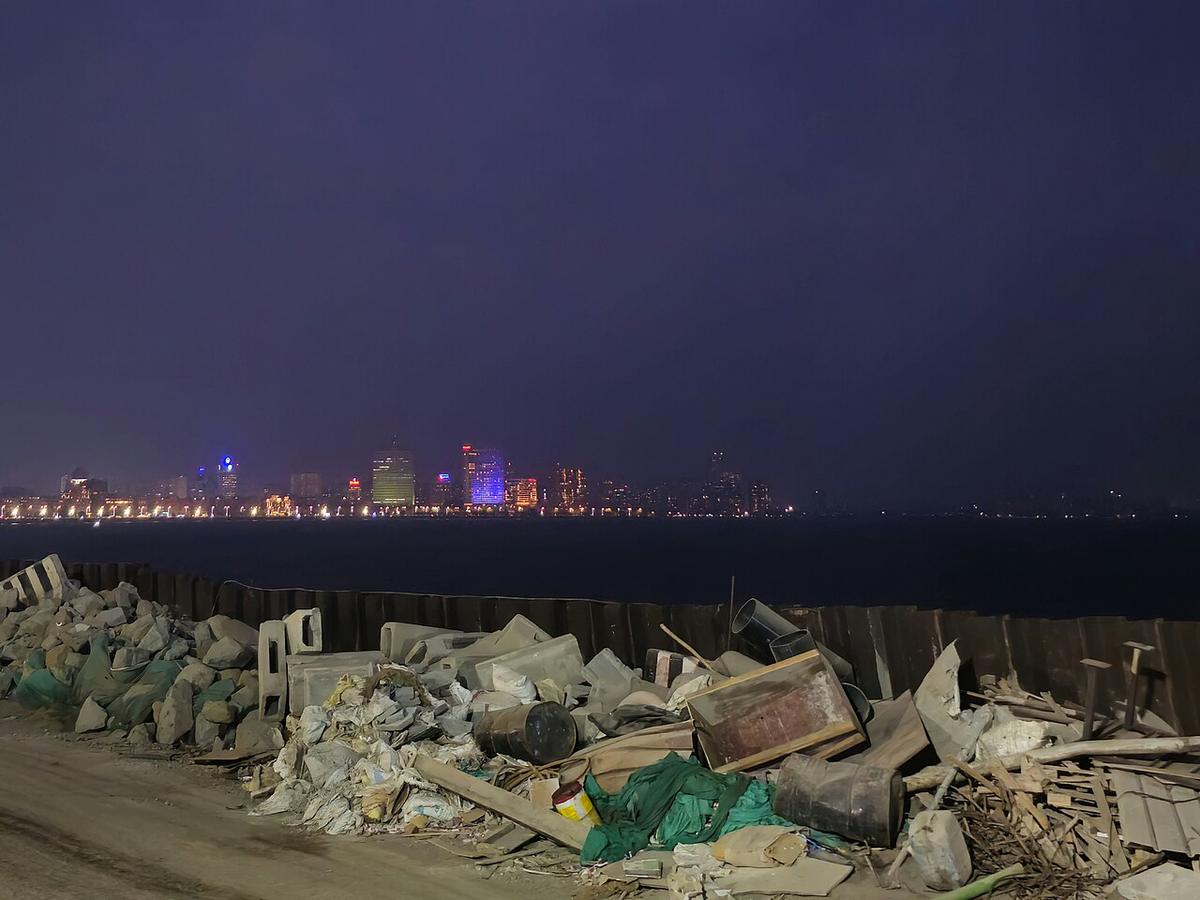
A three-kilometre arc of promenade along reclaimed land facing the Arabian Sea, Marine Drive was built in 1940 and runs in a wide crescent from Nariman Point in the south to Girgaon Chowpatty in the north. Its nickname, the Queen’s Necklace, comes from the streetlights along its curve, which from a height at night resemble a string of pearls; officially it is Netaji Subhash Chandra Bose Road, though almost nobody calls it that.
Haji Ali Dargah
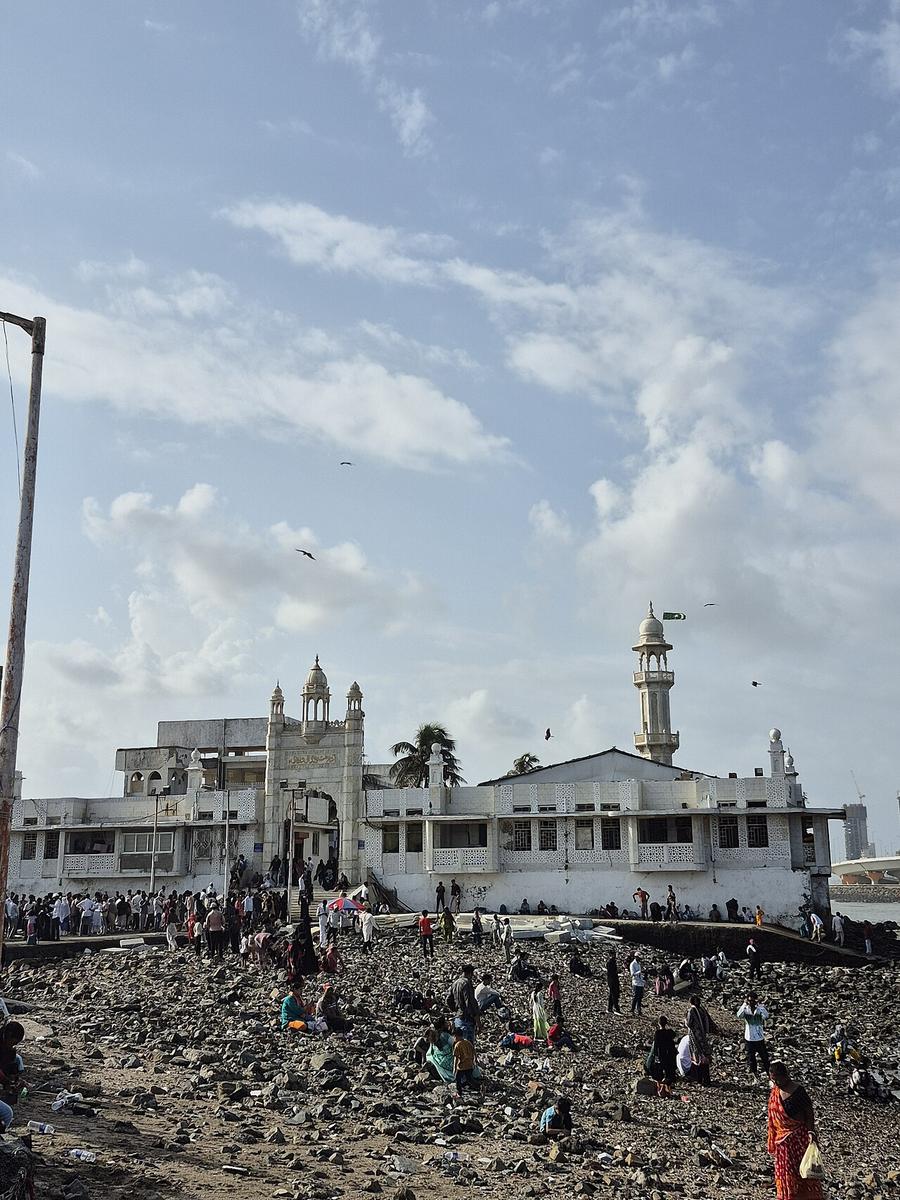
Built in 1431 in memory of Pir Haji Ali Shah Bukhari, a wealthy merchant from Bukhara who gave up his possessions for a life of pilgrimage and settled on this islet off Worli, the dargah is reached by a narrow causeway just under a kilometre long, and only at low tide. When the sea rises, the causeway floods and disappears beneath it, and the whitewashed shrine sits entirely cut off, visible from the shore but unreachable, until the water pulls back again.