Munnar: The Tea Hills
The Munnar Safarnama runs 5.6 km across 4 monuments, from Pothamedu to Tea Museum, part of The Monsoon Trail. Munnar is known as the tea hills, here is the story the route tells, one stop at a time.
Pothamedu
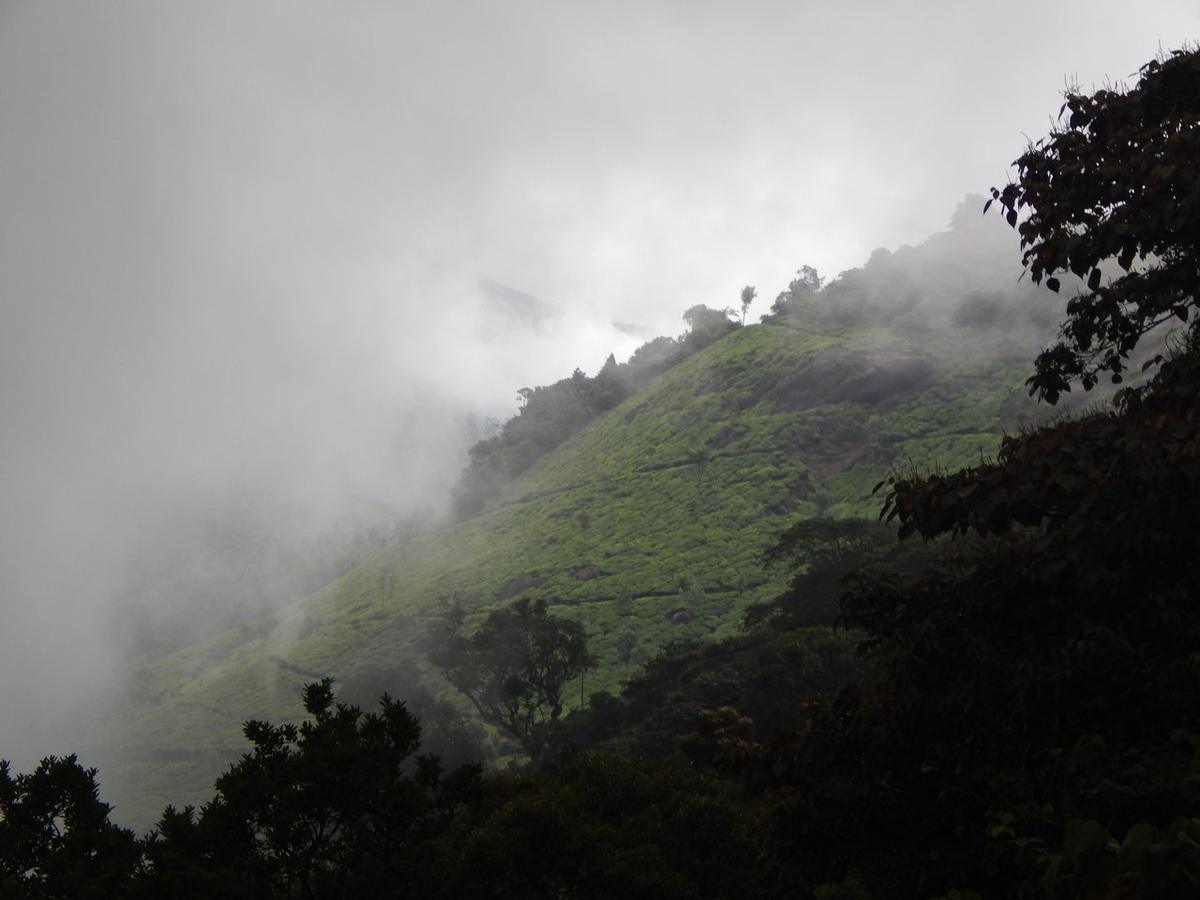
A hillside viewpoint a couple of kilometres outside Munnar town, where tea, coffee and cardamom plantations run into each other under monsoon cloud, with the Muthirapuzha valley falling away below. On a clear day the view is said to reach the Idukki Arch Dam, 60 km off, but most days here, the fog itself is the point, rolling through the tea rows in slow banks that never quite clear.
Munnar Town
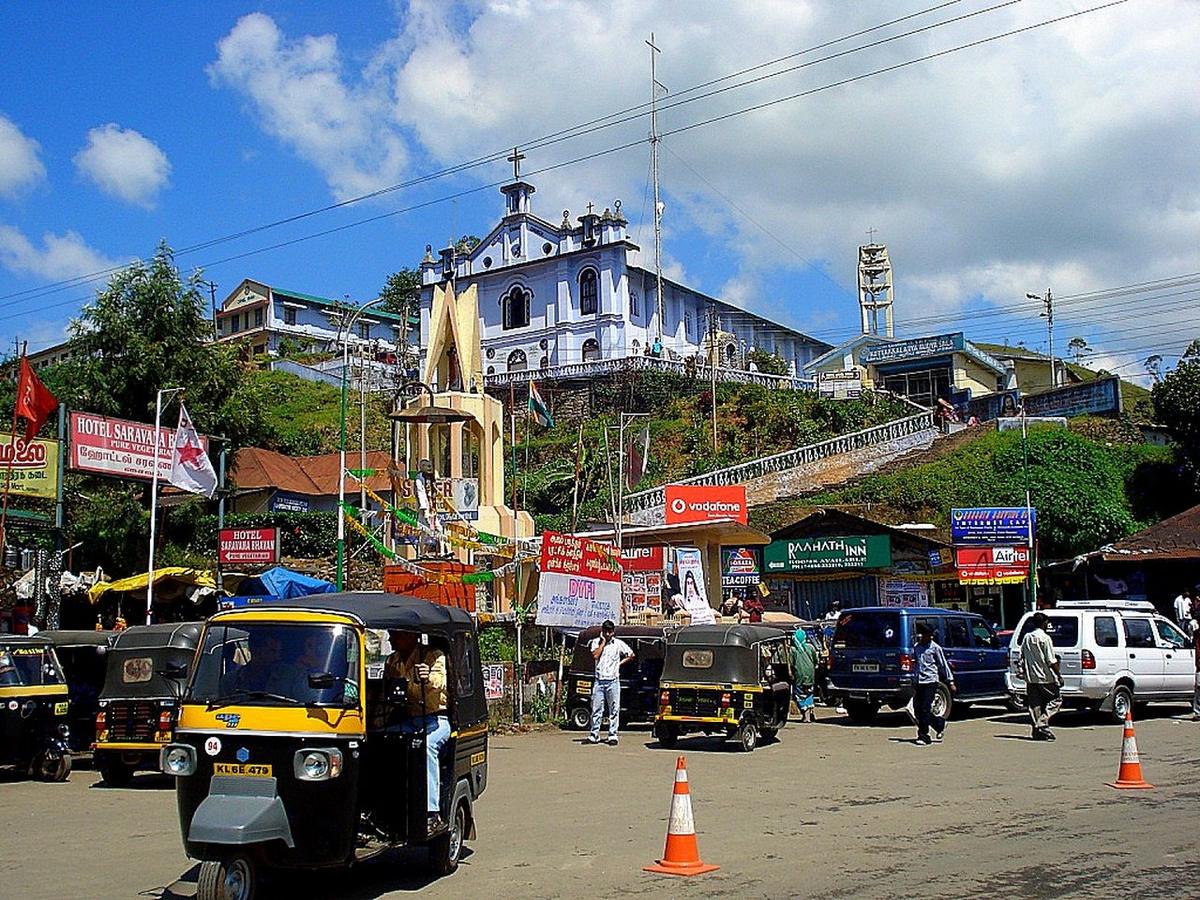
The name comes from "Munnu Aaru", three rivers, for the confluence of the Muthirapuzha, Nallathanni and Kundala here. British planter John Daniel Munro leased these hills from the Poonjar royal family in 1877; A.H. Sharp planted the first tea at scale in 1880; by the 1890s the concession had passed to the Glasgow firm that became the Kannan Devan Hills Produce Company. What started as a leased hillside is now a working hill-station town, its bazaar built on the same slopes those first planters cleared.
Christ Church
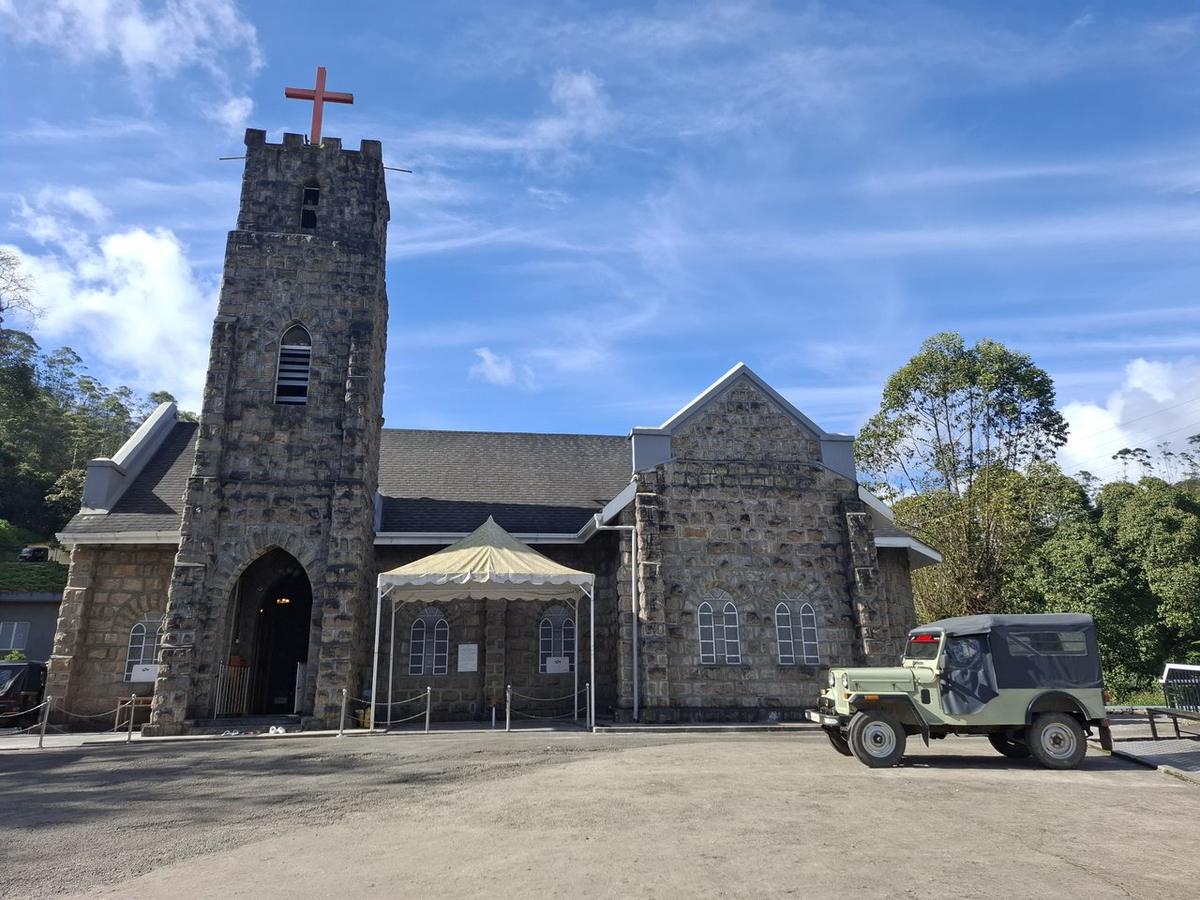
Built in 1910 by the planter Henry Mansfield Knight in memory of his wife, Eleanor Isabel, this stone church served the British tea planters scattered across the surrounding estates and holds their small hillside cemetery, brass plaques still name the men who cleared this land. Handed to the Church of South India after Indian independence in 1947, it remains an active parish, not a preserved relic.
Tea Museum
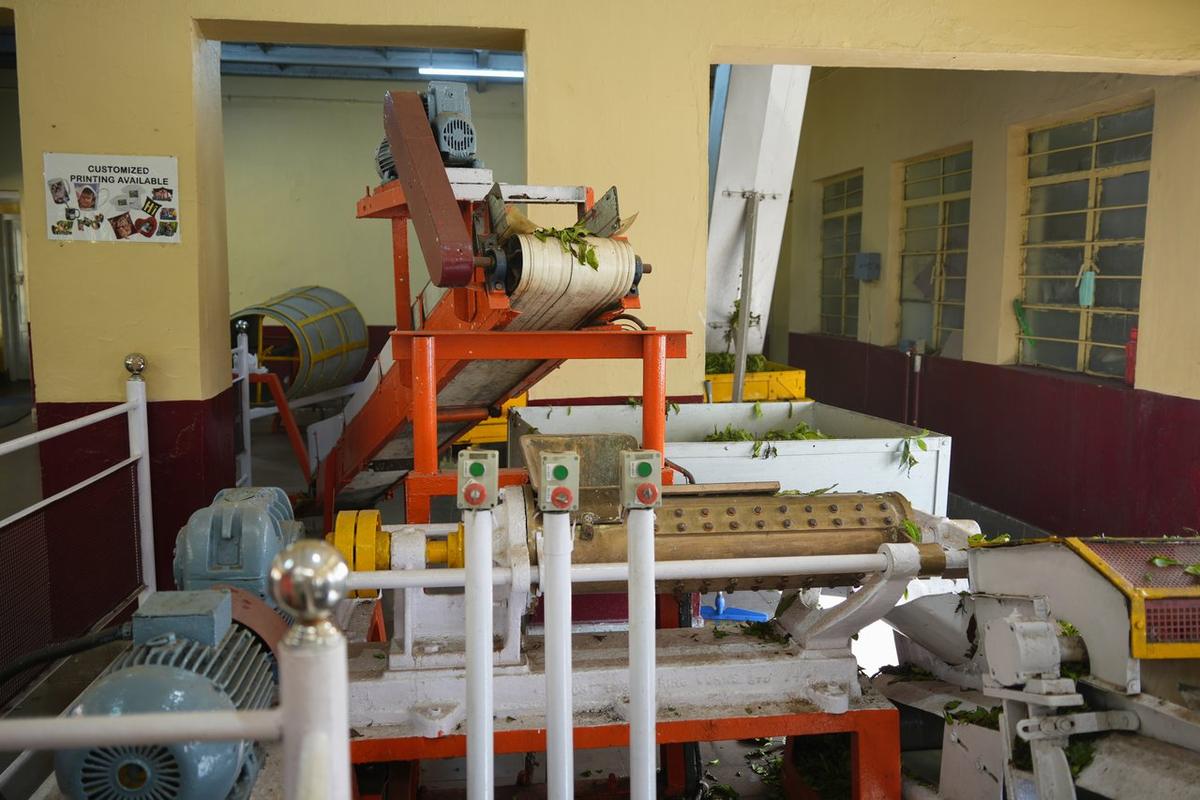
Run by Kannan Devan Hills Plantations on the site of an old tea factory, the museum keeps a working model processing line running the same rolling, fermenting and drying steps used here since the 1880s, alongside relics like a 1913 sundial that once timed a planter’s working day. It is the place this whole route has been walking toward without saying so: the story of why any of the last six kilometres of hillside was ever planted at all.