Mysore: The City of Palaces
The Mysore Safarnama runs 11.3 km across 6 monuments, from Mysore Palace to Chamundeshwari Temple, part of The Temple Trail. Mysore is known as the city of palaces, here is the story the route tells, one stop at a time.
Mysore Palace
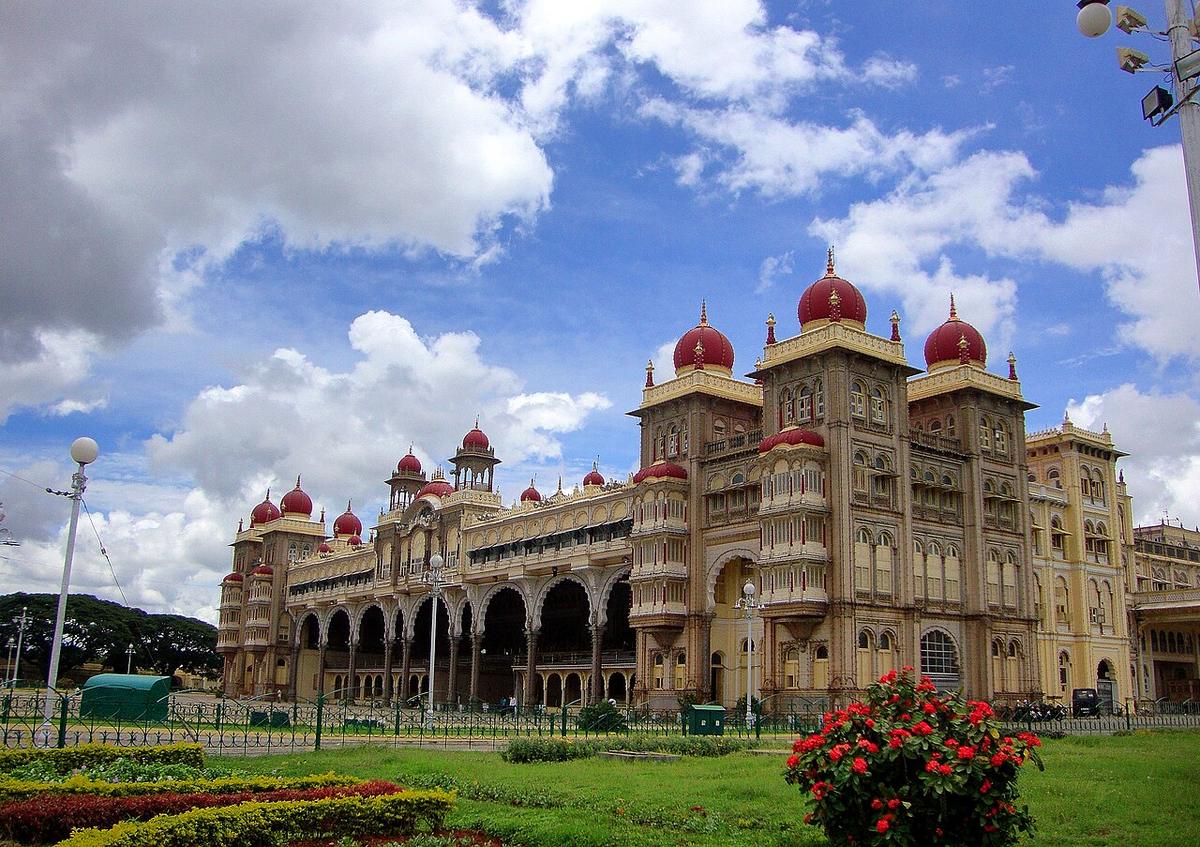
The official residence of the Wadiyar dynasty, this Indo-Saracenic palace rose on the site of an older wooden structure that burned down in 1897, rebuilt over the next fifteen years by British architect Henry Irwin under a government mandate for fireproof stone and brick construction. A five-storey central tower crowned with a gold-plated dome anchors the building, and cast-iron pillars shipped from a Scottish foundry hold up the stained-glass ceiling of its marriage hall. During the nine-night Navaratri festival each year, close to a hundred thousand bulbs outline the entire palace after dark.
Jaganmohan Palace
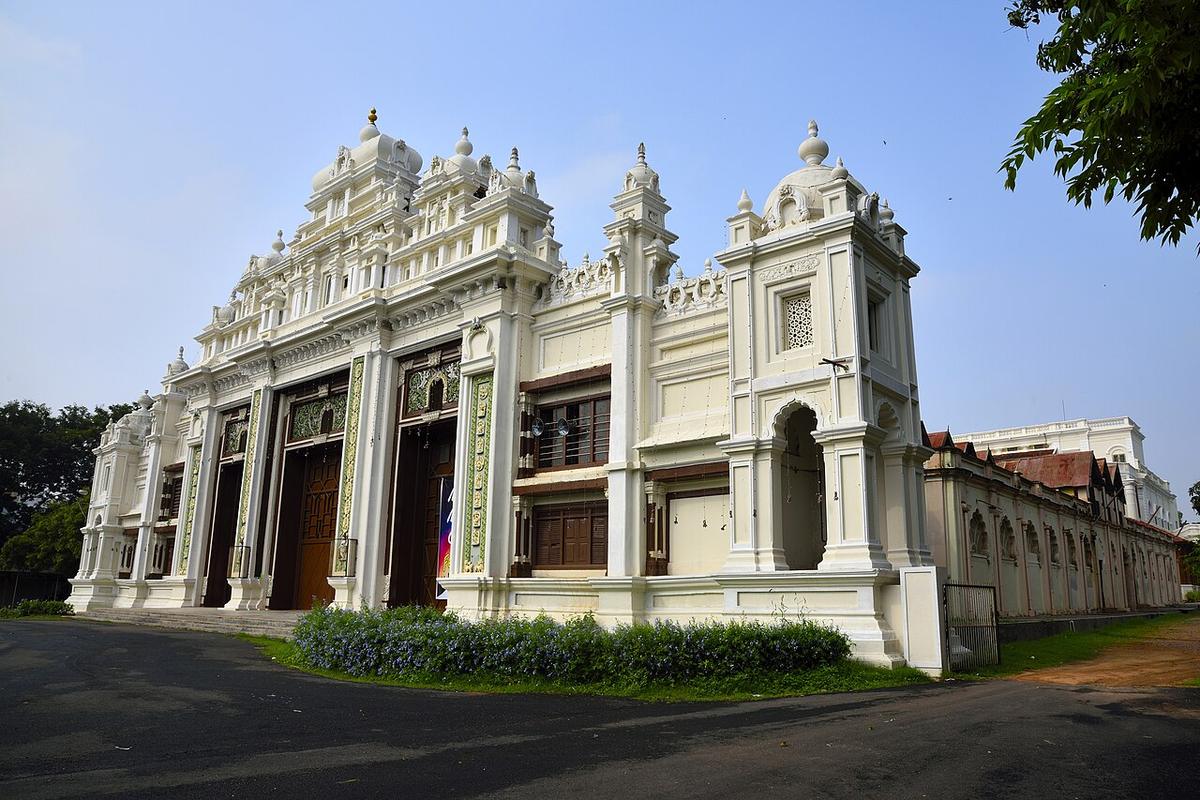
Built between 1856 and 1861 for Maharaja Krishnaraja Wodeyar III after political upheaval left him without full use of the main palace, this brick-and-mortar mansion became, in time, the Sri Jayachamarajendra Art Gallery, home to more than two thousand paintings, sixteen works by Raja Ravi Varma, and a French clock whose miniature soldiers parade on the hour. What began as a fallback residence for a maharaja without a palace is now Mysore’s principal public art collection.
Devaraja Market
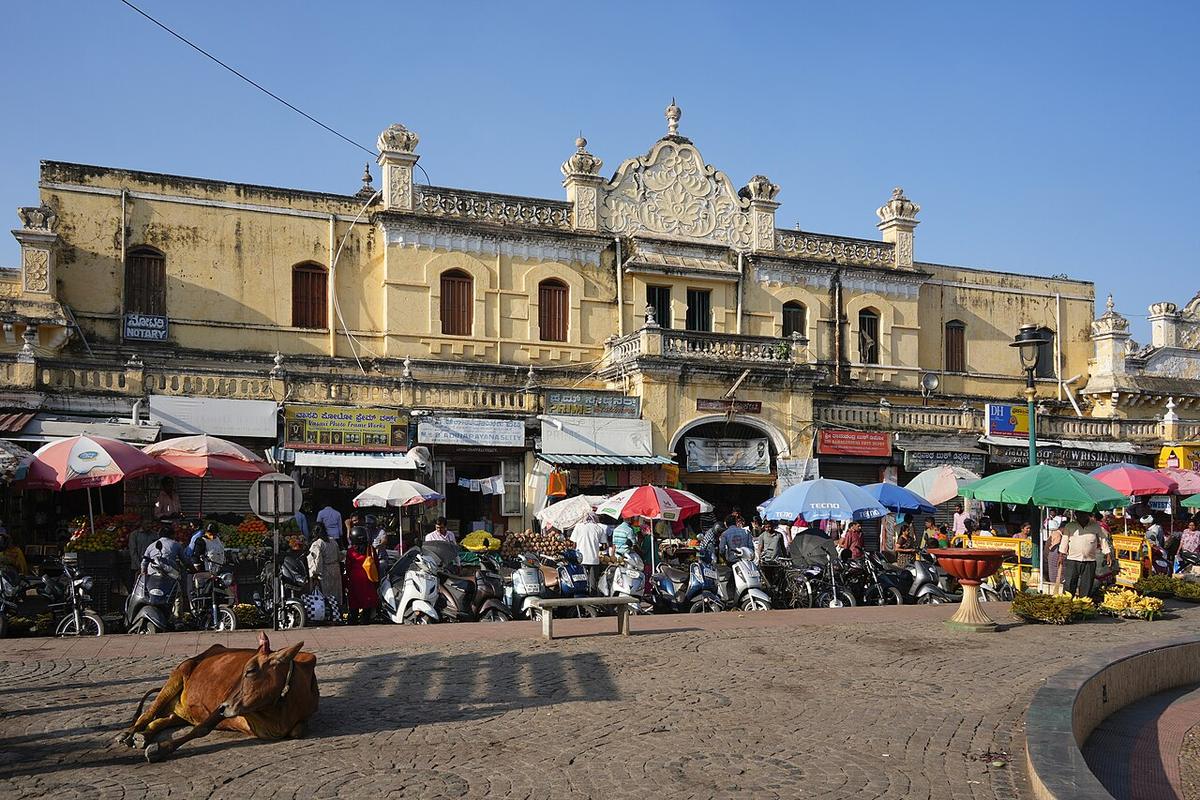
Trading here since 1886, Devaraja Market spans nearly four acres of covered lanes stacked with flowers, spices, sandalwood, silk and mounds of kumkum powder in every shade. It was built directly over the Dewan Poornaiah Canal, the channel that once carried water to Mysore Palace itself, and still draws several thousand shoppers through its stalls on an ordinary day.
St. Philomena’s Church
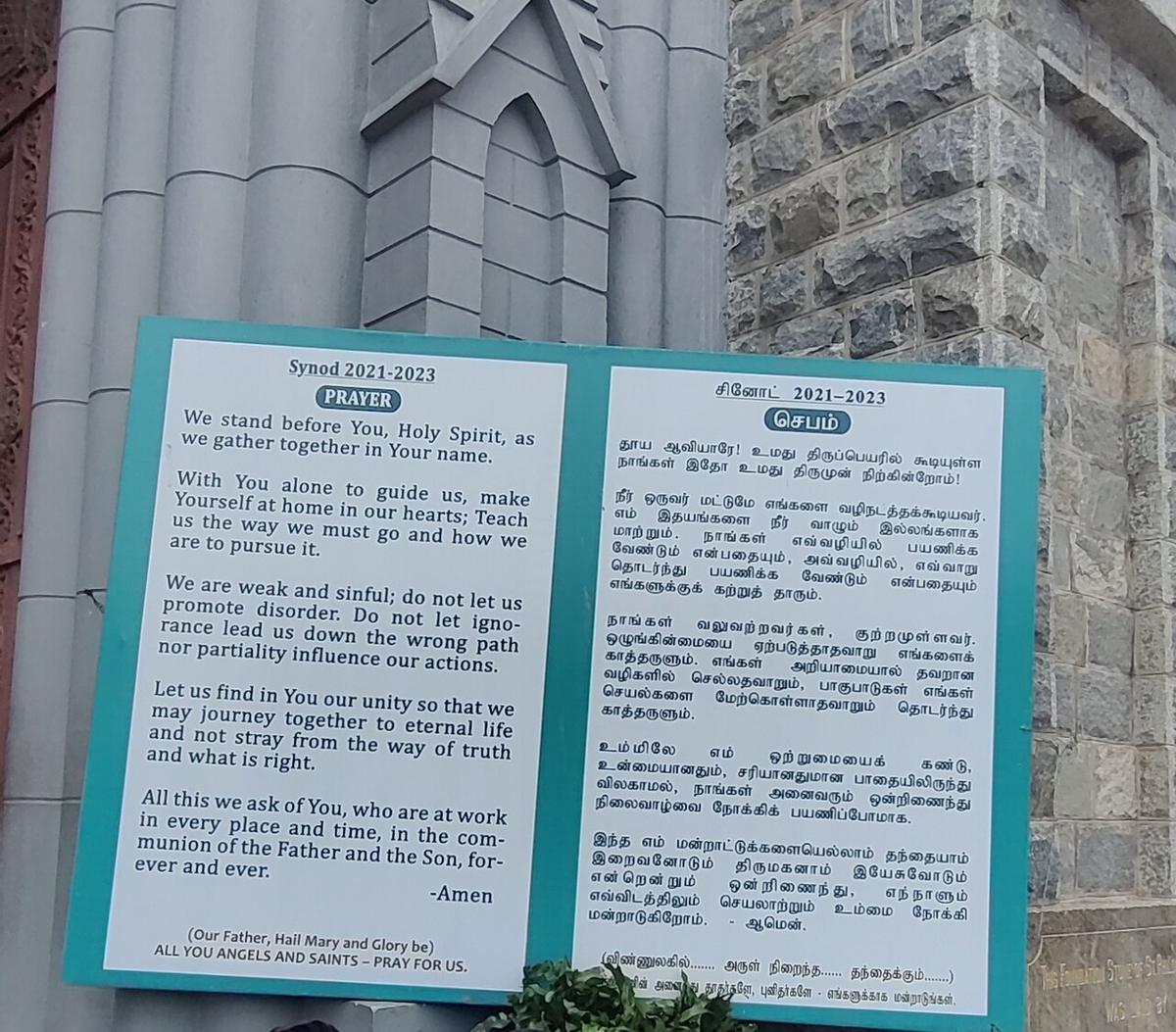
Completed in 1936 after Maharaja Krishnaraja Wadiyar IV laid its foundation stone three years earlier, this neo-Gothic cathedral was designed with Cologne Cathedral as an explicit model, and its twin spires still rise fifty-three metres over the surrounding rooftops, among the tallest church towers in Asia. Stained glass telling the life of Christ lines the nave, and a crypt beneath the altar holds a relic of the church’s namesake, Saint Philomena.
Mysore Zoo
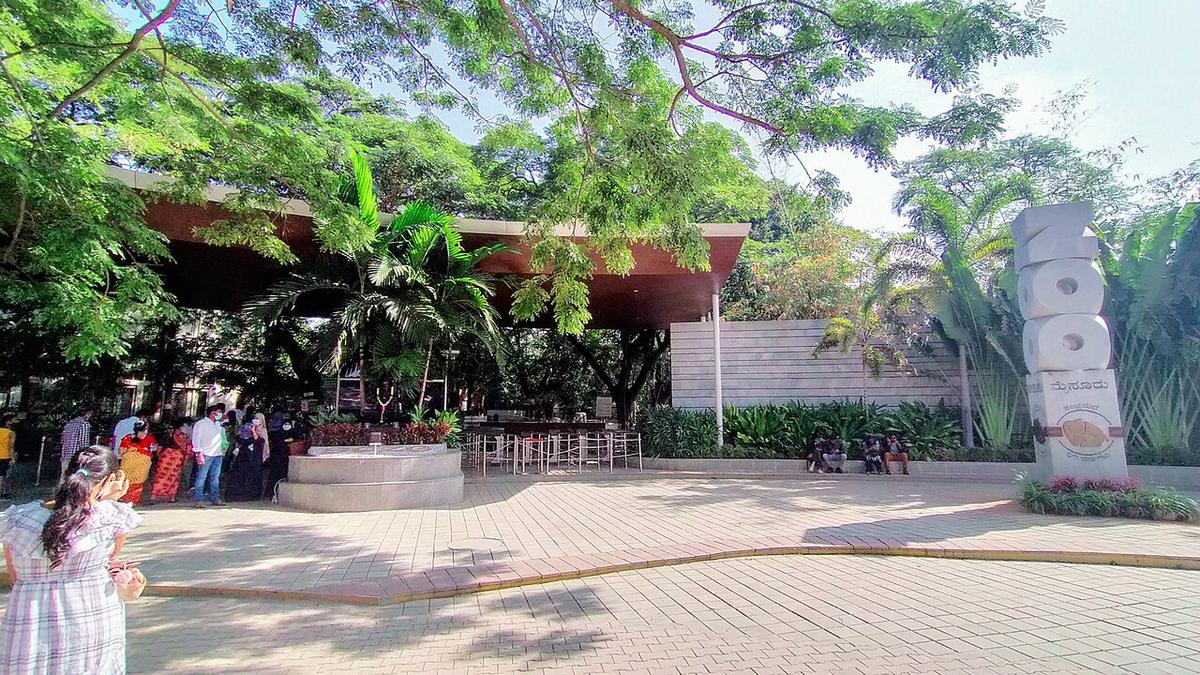
Established in 1892 by the Wadiyar rulers as a private menagerie before moving to its current site, Sri Chamarajendra Zoological Gardens is one of the oldest zoos in India and among the first in the country to successfully breed several endangered species in captivity. Its long tree-lined avenues and wide enclosures were laid out deliberately spacious, unusual for a zoo of its era.
Chamundeshwari Temple
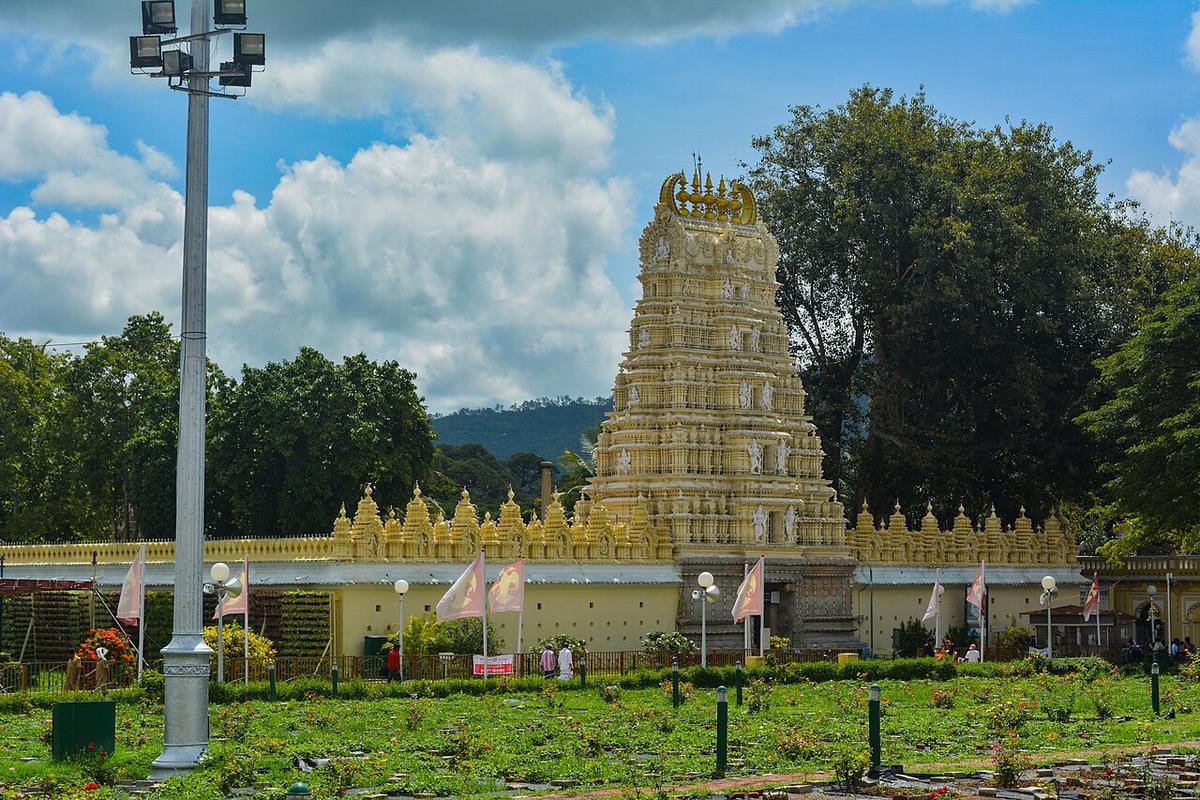
A temple to the goddess Chamundeshwari has stood atop this hill for centuries, renovated to its present form under Krishnaraja Wodeyar III in 1827, and reached by a stone stairway of more than a thousand steps cut into the hillside in 1659 on the orders of Dodda Devaraja Wodeyar. By legend the goddess killed the buffalo-demon Mahishasura here, giving Mysuru, and Mysore, its name. A nearly five-metre granite Nandi, carved from a single block of stone, watches over the climb partway up.