Puri: The Temple by the Sea
The Puri Safarnama runs 7.5 km across 4 monuments, from Jagannath Temple to Gundicha Temple, part of The Coastline Trail. Puri is known as the temple by the sea, here is the story the route tells, one stop at a time.
Jagannath Temple
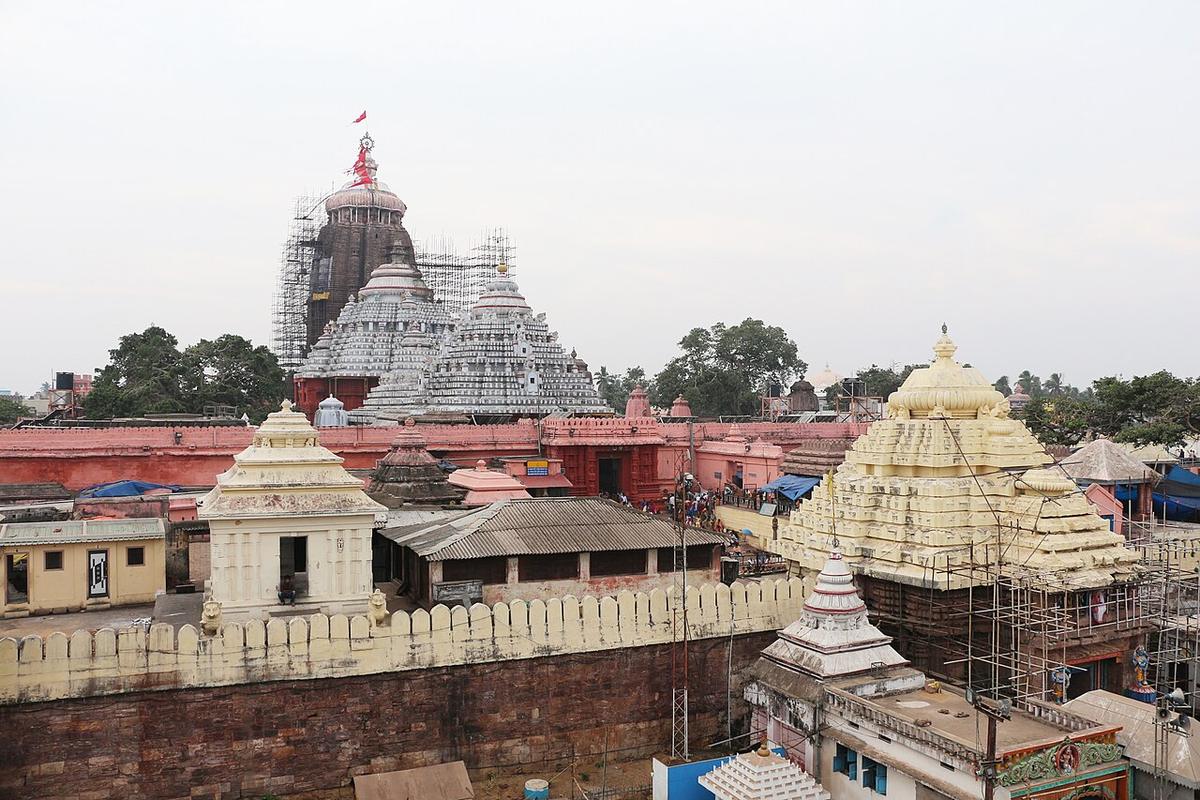
The temple standing today owes its core structure to Anantavarman Chodaganga of the Eastern Ganga dynasty, who began the reconstruction after 1112 and saw it completed by 1161. Its shikhara rises 65 metres over a 10-acre compound that holds more than 120 smaller shrines, built in the Kalinga style from carved sandstone and laterite. Every June or July its three principal deities, recarved fresh from neem wood every dozen years or so, are pulled through the streets on towering wooden chariots for the Rath Yatra; the word "juggernaut" entered English directly from the sight of the largest of them bearing down the road. The temple’s inner precincts remain closed to non-Hindus.
Swargadwar
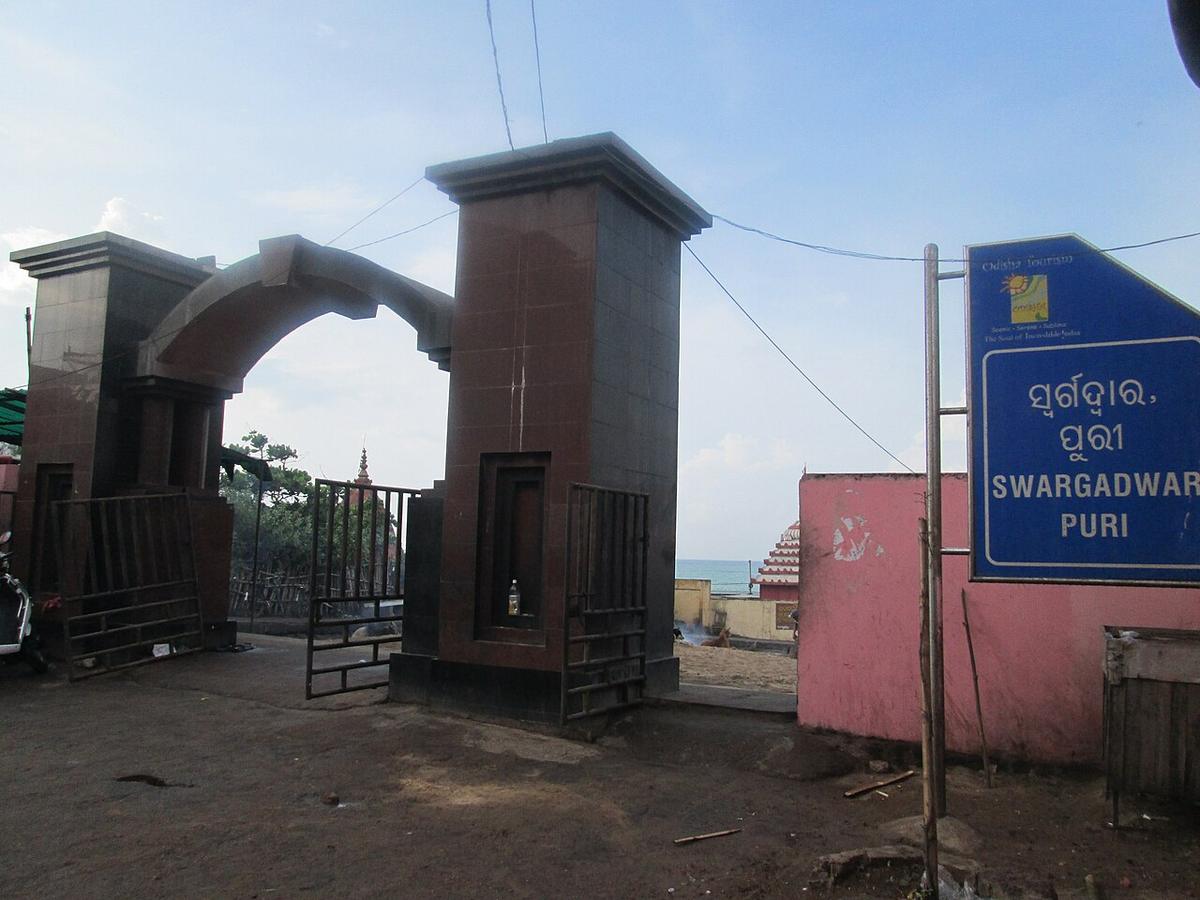
Swargadwar, "Gateway to Heaven", is a stretch of the Bay of Bengal shore about a mile south of the Jagannath Temple, one of India’s most sacred Hindu cremation grounds. The Kapila Samhita names it among seven places where Brahma himself, working with the mythical king Indradyumna, is said to have consecrated the Jagannath trinity to the earth. Hindus cremated here are believed to gain moksha, release from the cycle of rebirth, directly, without further reincarnation.
Narendra Tank
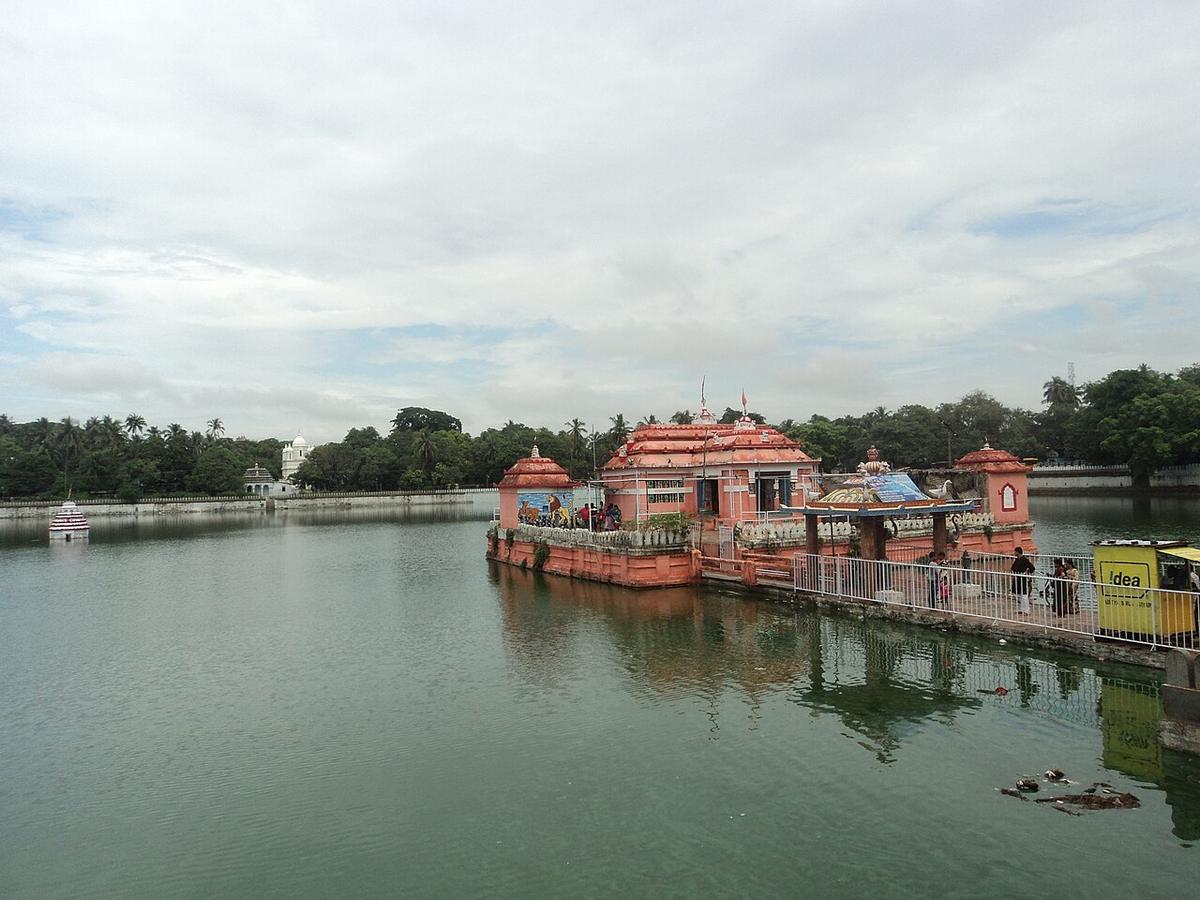
Built in the 15th century by Narendra Dev, brother of the reigning Gajapati king Kapilendra Deva, Narendra Tank, also called Narendra Pokhari, is reckoned the largest artificial pond in Odisha, ringed by sixteen bathing ghats and a scatter of smaller shrines. Once a year, during the Chandana Yatra, images of Jagannath, Balabhadra and Subhadra are carried here, cooled with sandalwood paste, and taken out onto the water for Chapa Khela, a ceremonial boat ride that gives the festival its other name.
Gundicha Temple
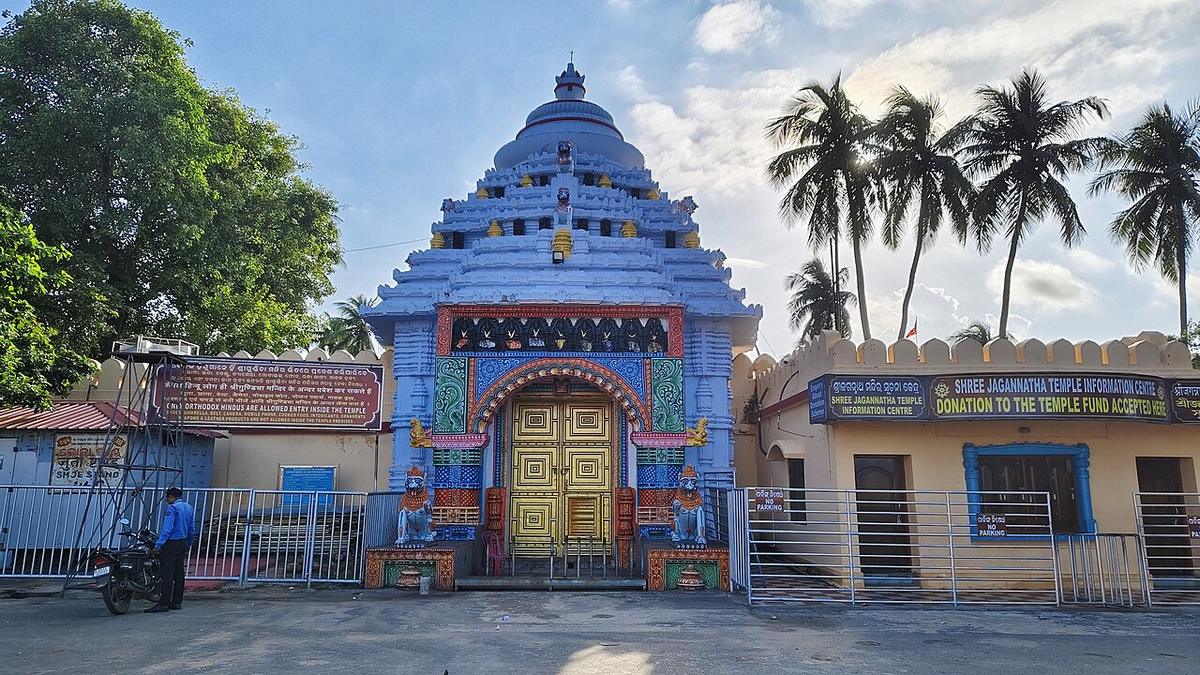
Known as Jagannath’s "Summer Garden Retreat," Gundicha Temple stands at the far end of the Bada Danda, the Grand Road, about three kilometres from the main temple, built of pale sandstone in the Kalinga deula style with a sanctum, assembly hall, festival hall and offerings hall in sequence. For nine days each year, during the Rath Yatra, the deities of Jagannath, Balabhadra and Subhadra are pulled here on towering wooden chariots and rest inside a garden compound otherwise kept empty the rest of the year.