Rishikesh: The Gateway to the Himalayas
The Rishikesh Safarnama runs 10.3 km across 8 monuments, from Triveni Ghat to Neer Garh Waterfall, part of The High Altitude Trail. Rishikesh is known as the gateway to the himalayas, here is the story the route tells, one stop at a time.
Triveni Ghat
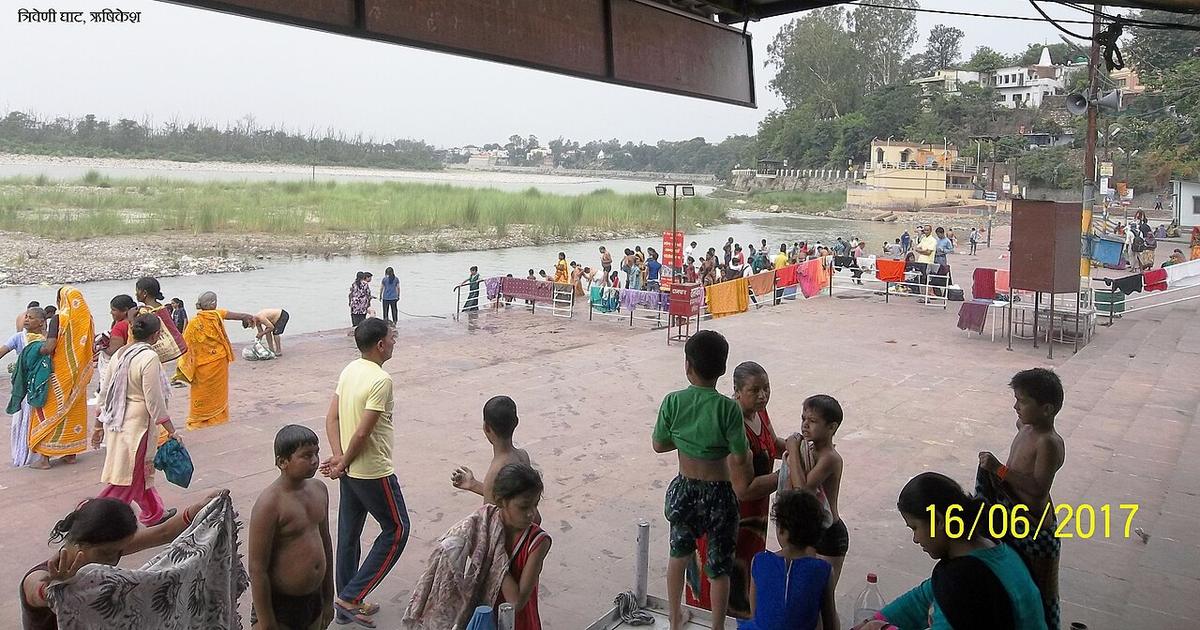
Rishikesh’s largest and most famous bathing ghat, at the point where, by tradition, the Ganga, Yamuna and the mythical Saraswati converge, giving the ghat its name (“three streams”). Steps lead down to the river where pilgrims take a ritual bath believed to wash away sin, and it doubles as a site for last-rite ceremonies. Three riverside shrines, the Gita Temple, Triveni Mata Temple and Lakshmi–Narayan Temple, stand on its banks, and a nightly Ganga aarti is performed here with Vedic chants.
Bharat Mandir
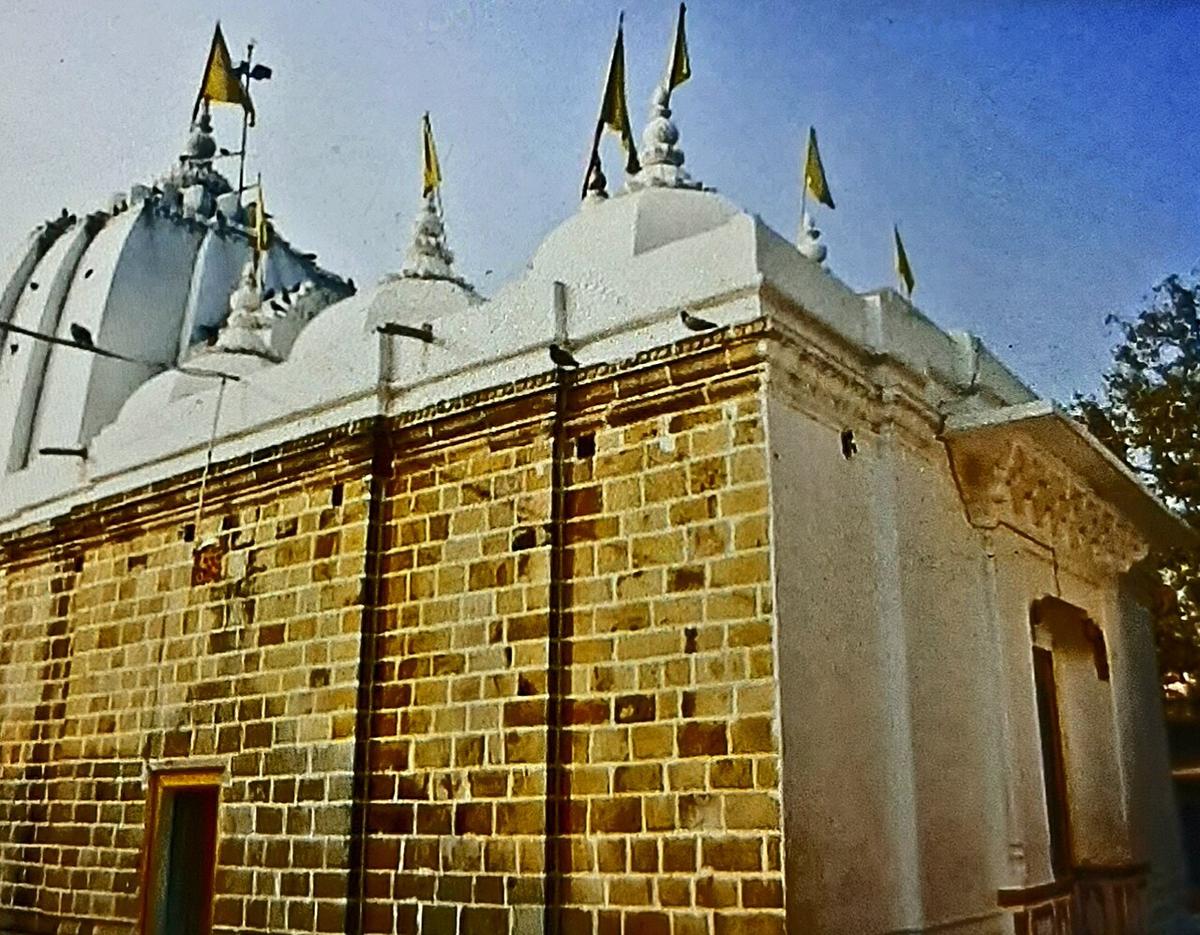
A short walk from Triveni Ghat, Bharat Mandir is reckoned Rishikesh’s oldest temple, said to have been founded by the 8th-century philosopher Adi Shankaracharya and dedicated to Vishnu in his form as Bharat, Rishikesh’s older name. Its adjoining tank, Rishikund, is linked in legend to the sage Raibhya Rishi, from whom the town is said to take its name.
Beatles Ashram (Chaurasi Kutia)
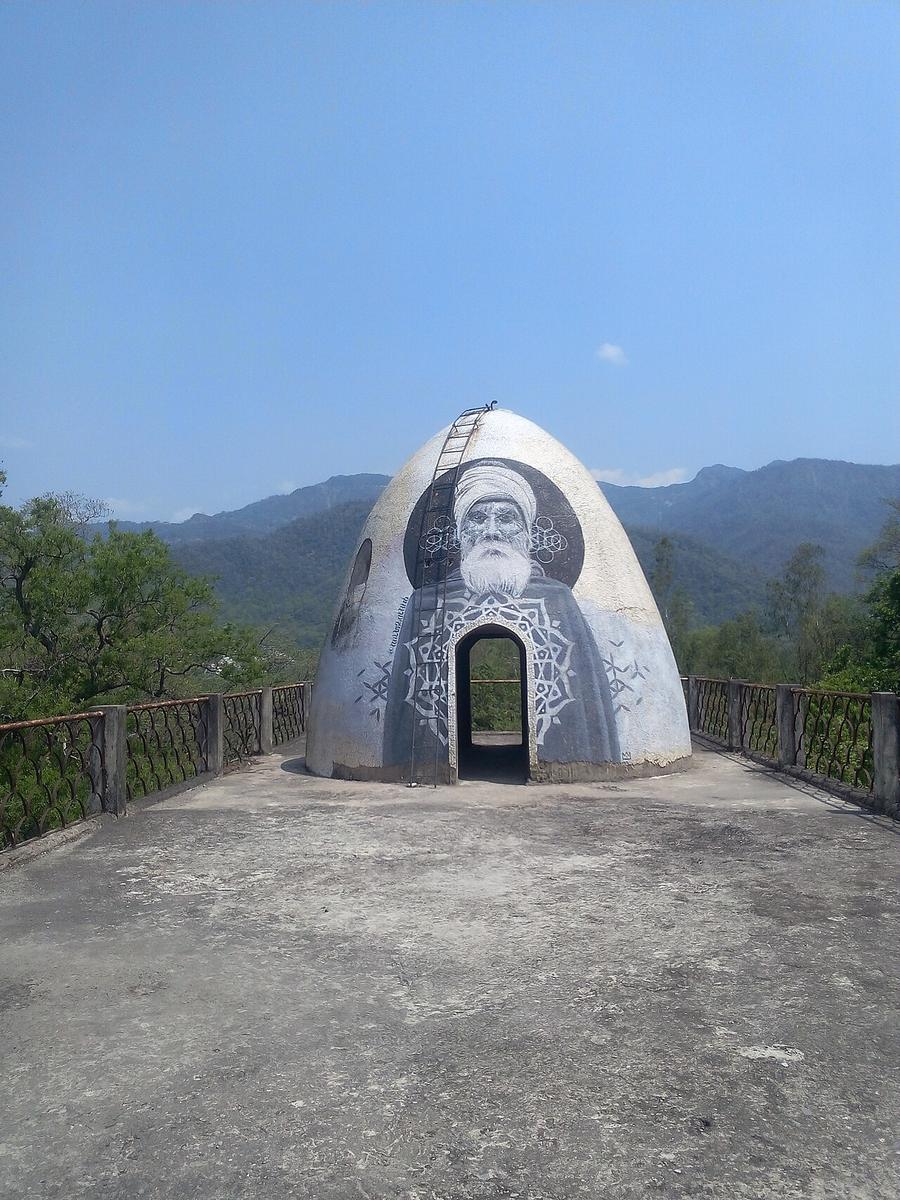
Officially the International Academy of Meditation, this ashram on the Ganges’ east bank was Maharishi Mahesh Yogi’s training centre through the 1960s and 70s. It drew global attention in early 1968 when the Beatles arrived to study Transcendental Meditation, along with Donovan, Mike Love and Mia Farrow, and spent weeks writing most of what became the White Album. Abandoned for decades after its lease lapsed, it now sits half-reclaimed by jungle inside Rajaji National Park, its old meditation domes and cottages covered in fan and street art, open to visitors for a small entry fee.
Parmarth Niketan
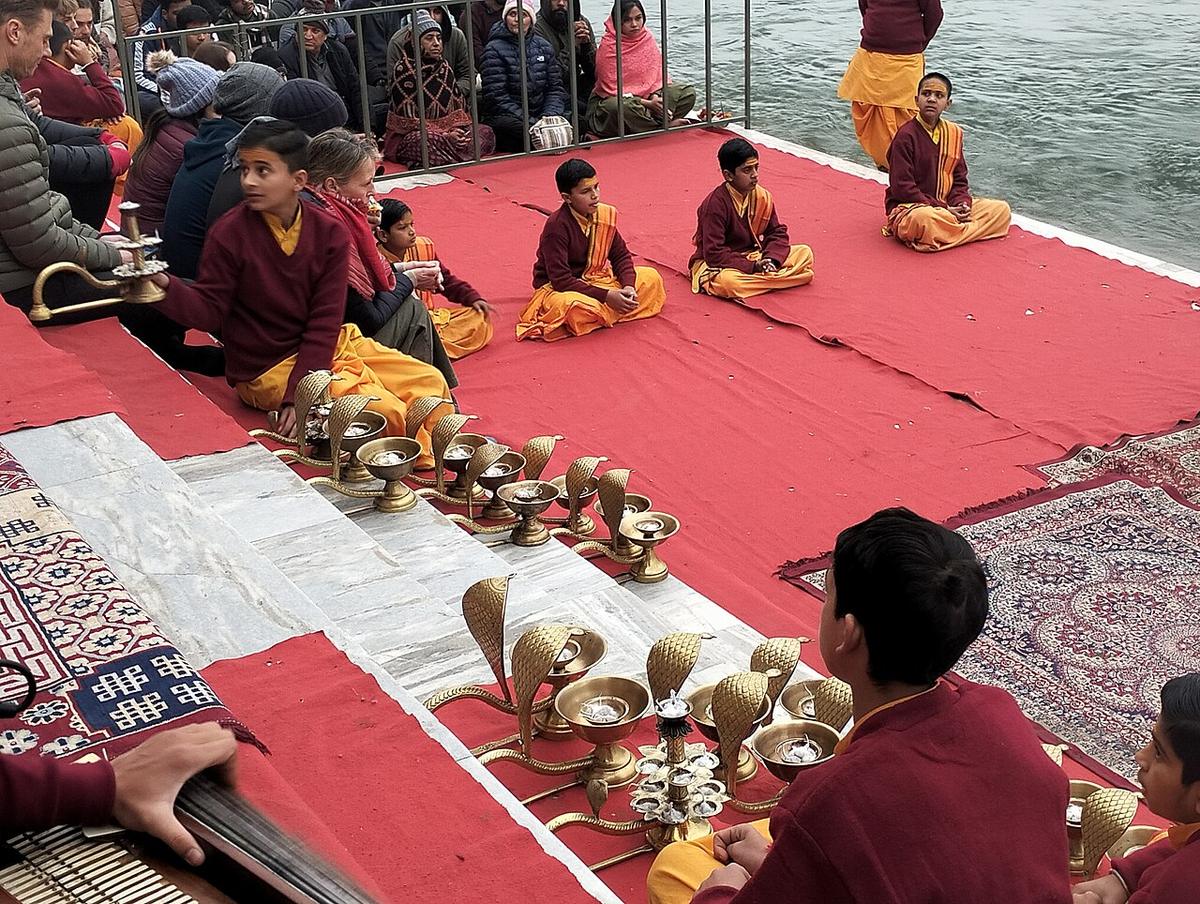
Rishikesh’s largest ashram, a riverside campus of dormitories, yoga halls and shrines on the Ganges’ left bank near Ram Jhula, founded in 1942. Every evening its ghat hosts one of the town’s best-known Ganga aartis, rows of lamps, chanting and flower offerings performed as the sun sets over the water, drawing residents, pilgrims and travellers in roughly equal numbers.
Ram Jhula
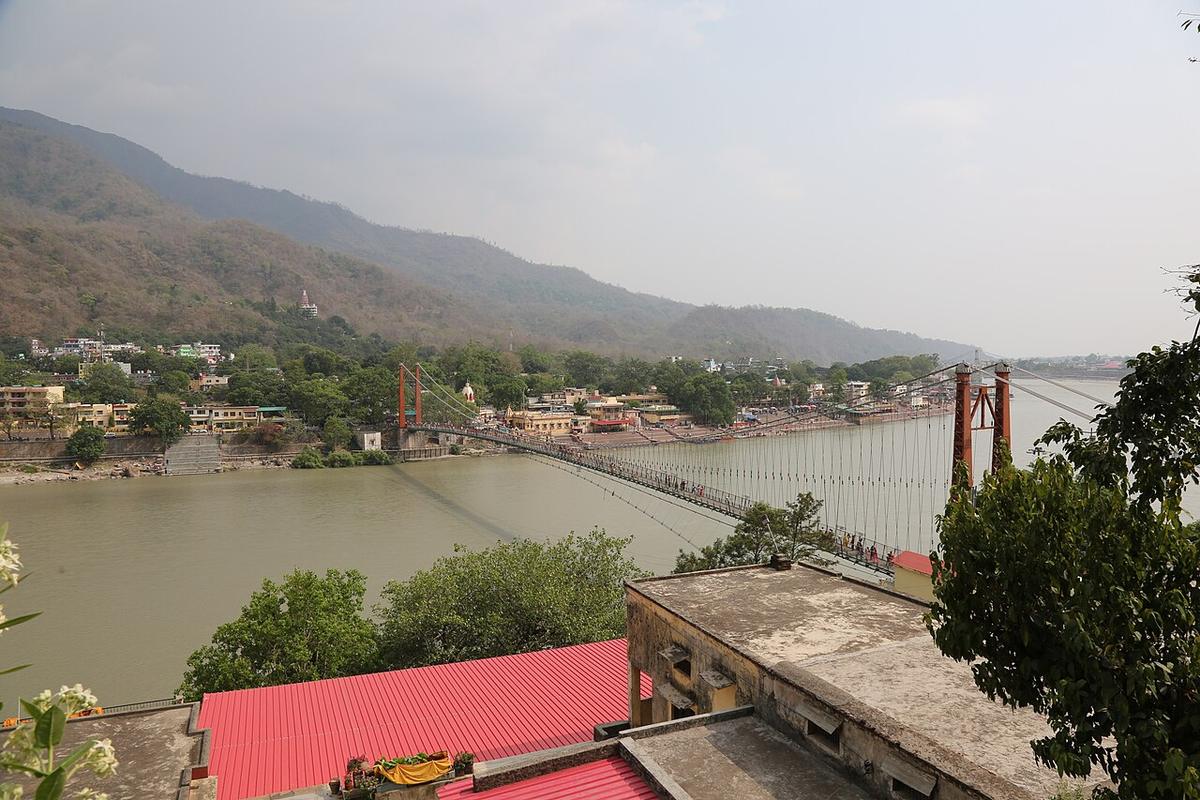
A steel suspension bridge across the Ganges completed in 1986, built to ease the growing foot and motorbike traffic that Lakshman Jhula, two kilometres upstream and already sixty years old, could no longer handle alone. It links Swargashram and the ashram district on the east bank to the town’s main road on the west, and remains open to both pedestrians and two-wheelers.
Trayambakeshwar Temple
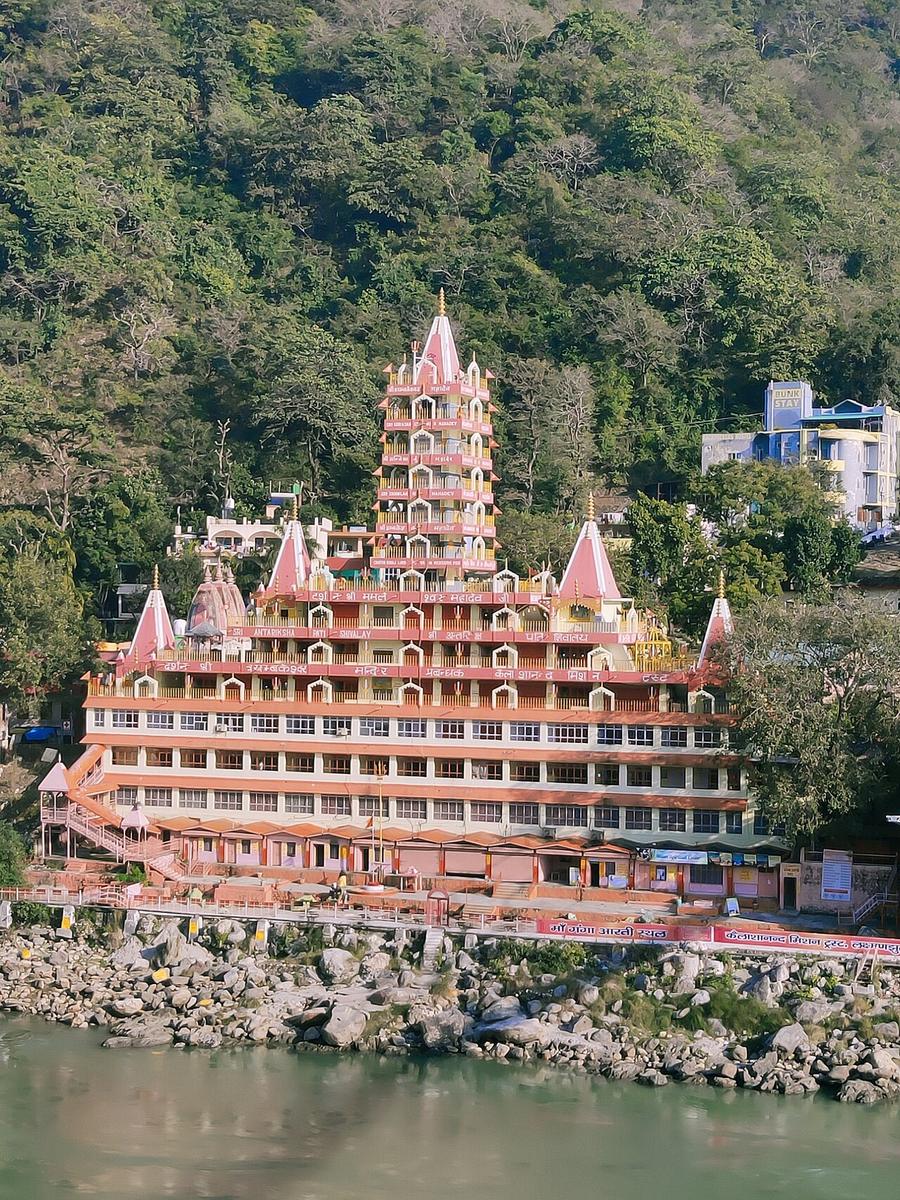
A modern thirteen-storey temple to Shiva near Lakshman Jhula, its tiers stacked in a pyramid rising above the tree line and visible from much of the valley. Each floor holds shrines to different deities, and a rooftop terrace at the top gives an open view down the Ganges and across to the forested hills opposite, the town’s answer to a vertical pilgrimage in a place with barely a proper hill inside it.
Lakshman Jhula
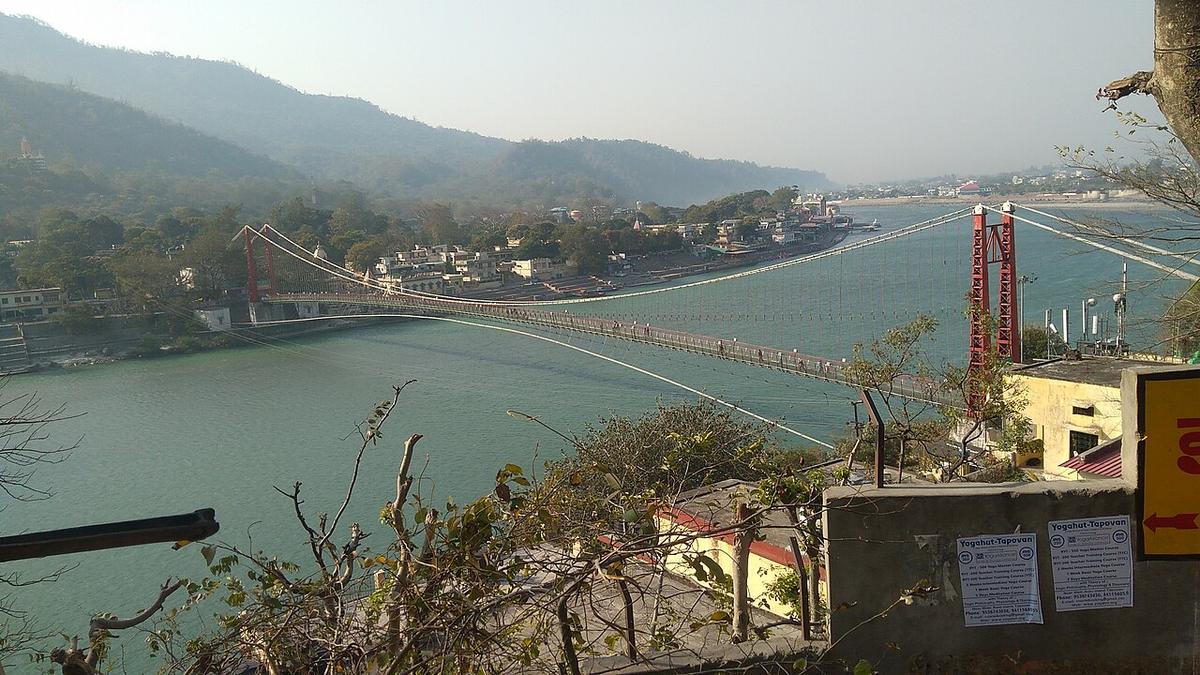
A suspension bridge completed in 1929 on the site where, by legend, Lakshmana crossed the Ganges on jute ropes, giving both the bridge and the crossing their name. It linked the villages of Tapovan and Jonk for close to a century, carrying pedestrians and motorbikes alike, until safety concerns saw it restricted to foot traffic only from November 2020, ahead of an eventual replacement. It remains one of Rishikesh’s most photographed landmarks, strung between forested banks a few hundred metres downstream from the thirteen-storey temple.
Neer Garh Waterfall
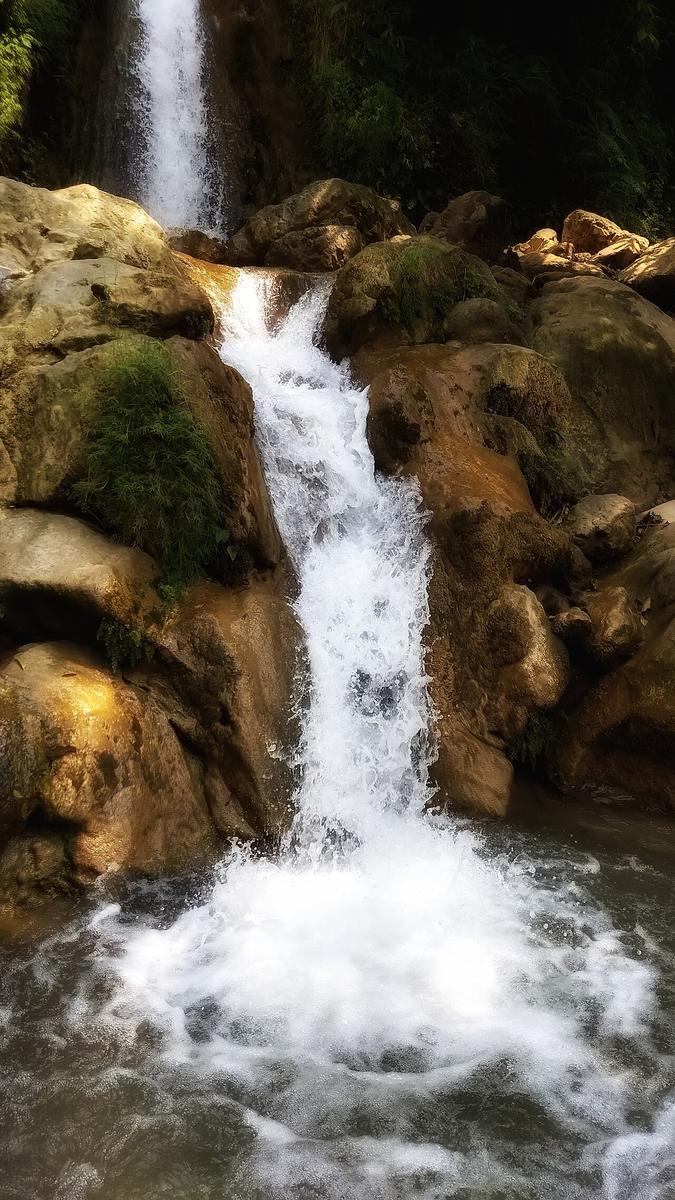
A forest waterfall reached by a short trail from the Tapovan area above Lakshman Jhula, dropping in tiers through a rocky ravine into a shallow pool popular for a cold-water dip after the climb up. Less visited and less commercialised than Rishikesh’s riverside sights, it sits inside the edge of the forest that runs into Rajaji National Park, and is one of the few spots on this route where the Ganges valley genuinely gives way to hill terrain.