Shimla: The Summer Capital
The Shimla Safarnama runs 14.2 km across 10 monuments, from Shimla Railway Station to Jakhoo Temple, part of The High Altitude Trail. Shimla is known as the summer capital, here is the story the route tells, one stop at a time.
Shimla Railway Station
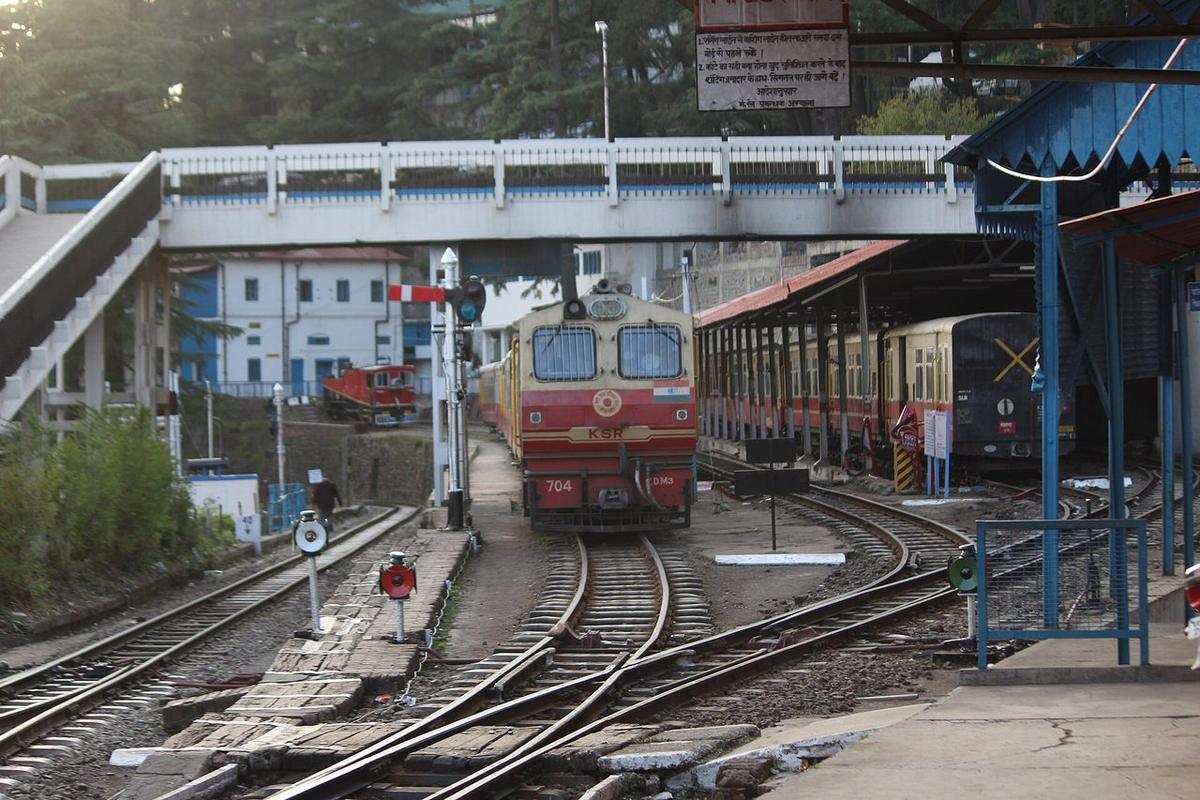
The end of the Kalka–Shimla Railway, a two-foot-six-inch narrow-gauge line opened in 1903 that climbs about 1,500 metres in 96 kilometres through 102 tunnels and hundreds of bridges, a UNESCO World Heritage line. The British built it to move the entire government of India up here every summer; the train still takes five and a half hours to do what the road does in three, and nobody minds.
Christ Church
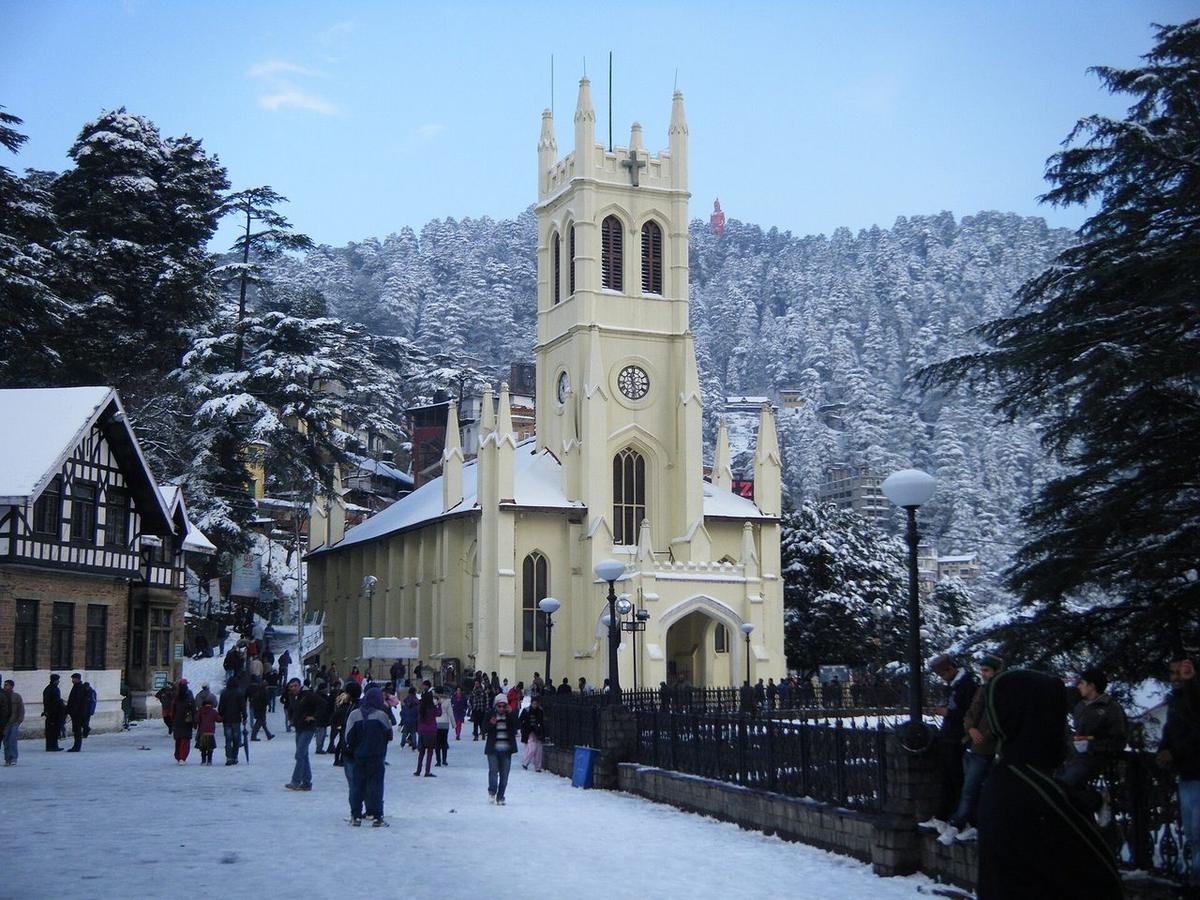
The second-oldest church in North India, built in neo-Gothic stone between 1857 and 1914 and painted the deep ochre-yellow it still wears. It stands at the top of the Ridge, the open spine of the town, visible from every approach, the building the British put where everyone would have to look at it. Its five clerestory windows stand for faith, hope, charity, fortitude and patience.
Gaiety Theatre
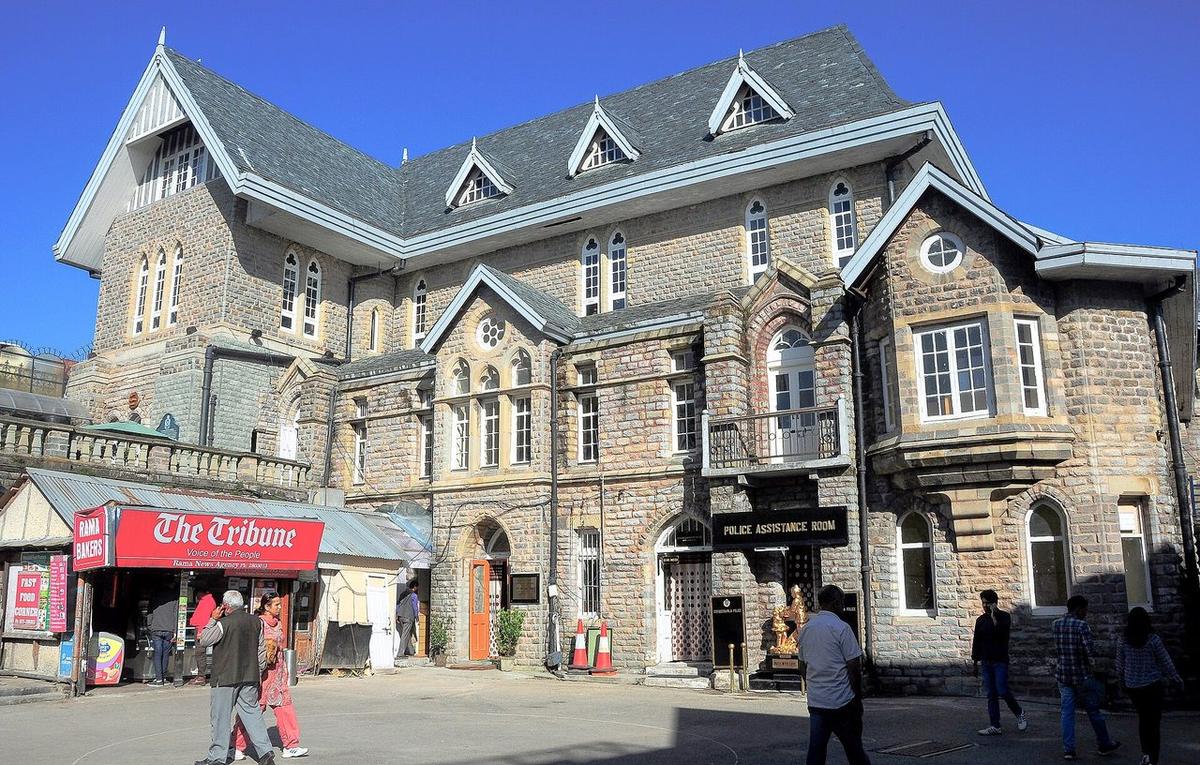
Opened in 1887 as part of the Town Hall, a small horseshoe auditorium in the Scottish-Gothic style, built because the summer capital was full of officials and their families with months to fill. Kipling acted here as a young man; so, much later, did many of the people who went on to make Bombay cinema. It was restored in 2008 exactly to its Victorian plan.
Scandal Point
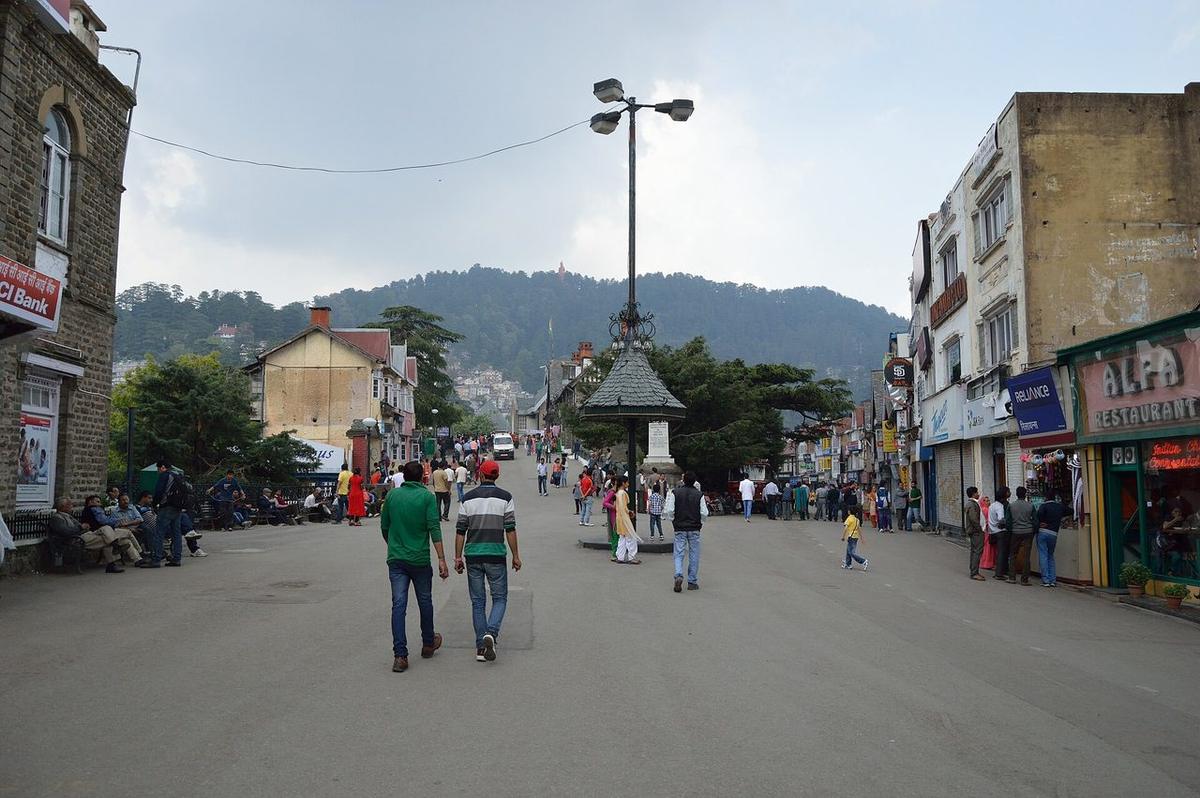
The open junction at the centre of town, where Shimla’s two main promenades meet. The name is Victorian gossip: by one story a Maharaja of Patiala eloped from here with the Viceroy’s daughter, by another it is simply where the town’s rumours were traded on the evening walk. It has a statue of Lala Lajpat Rai and a permanent crowd.
Kali Bari Temple
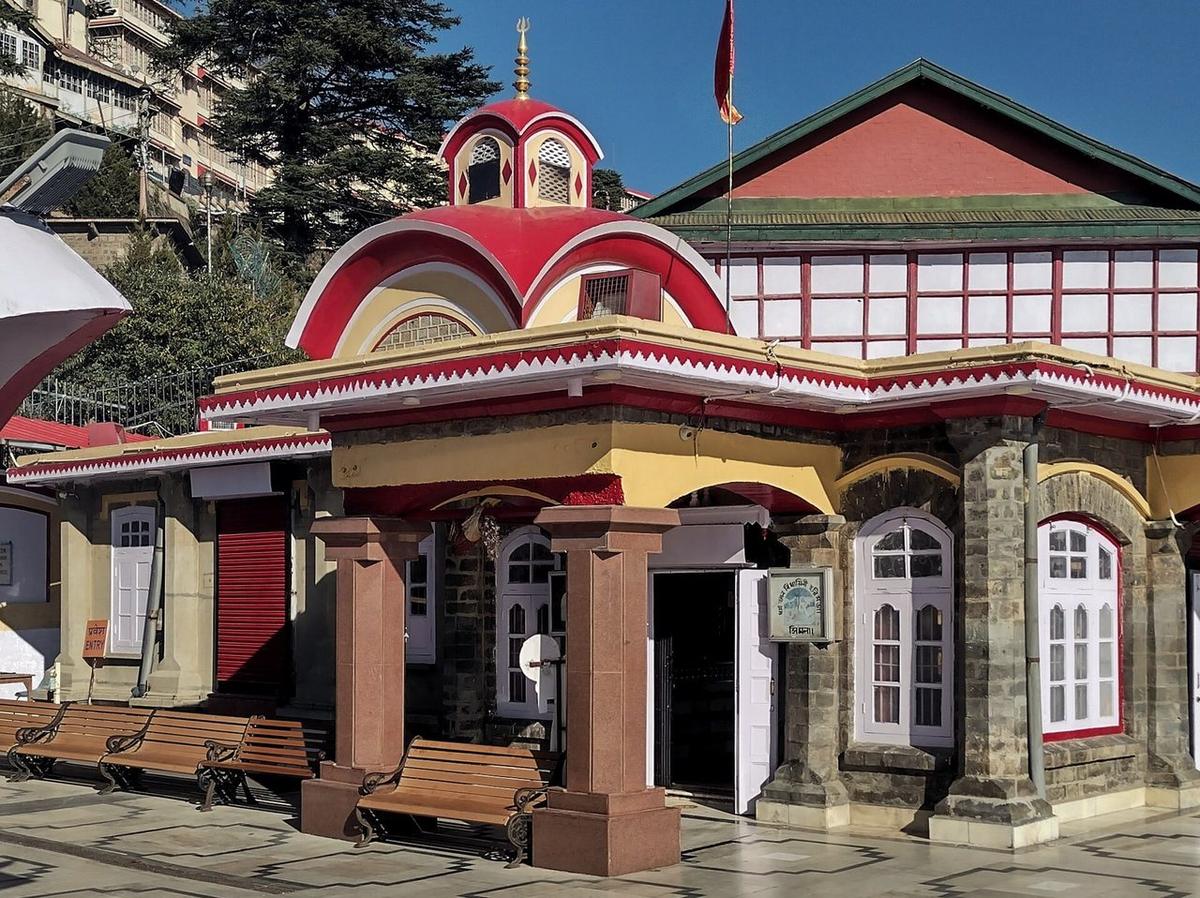
A temple to Shyamala Devi, a form of Kali, and the goddess the town of Shimla is named for, established by Bengali settlers in 1845 and rebuilt higher up the hill in 1900. The deity here is considered the presiding goddess of the whole city. It sits just above the Mall, reached by a short steep climb off the main road.
Gorton Castle
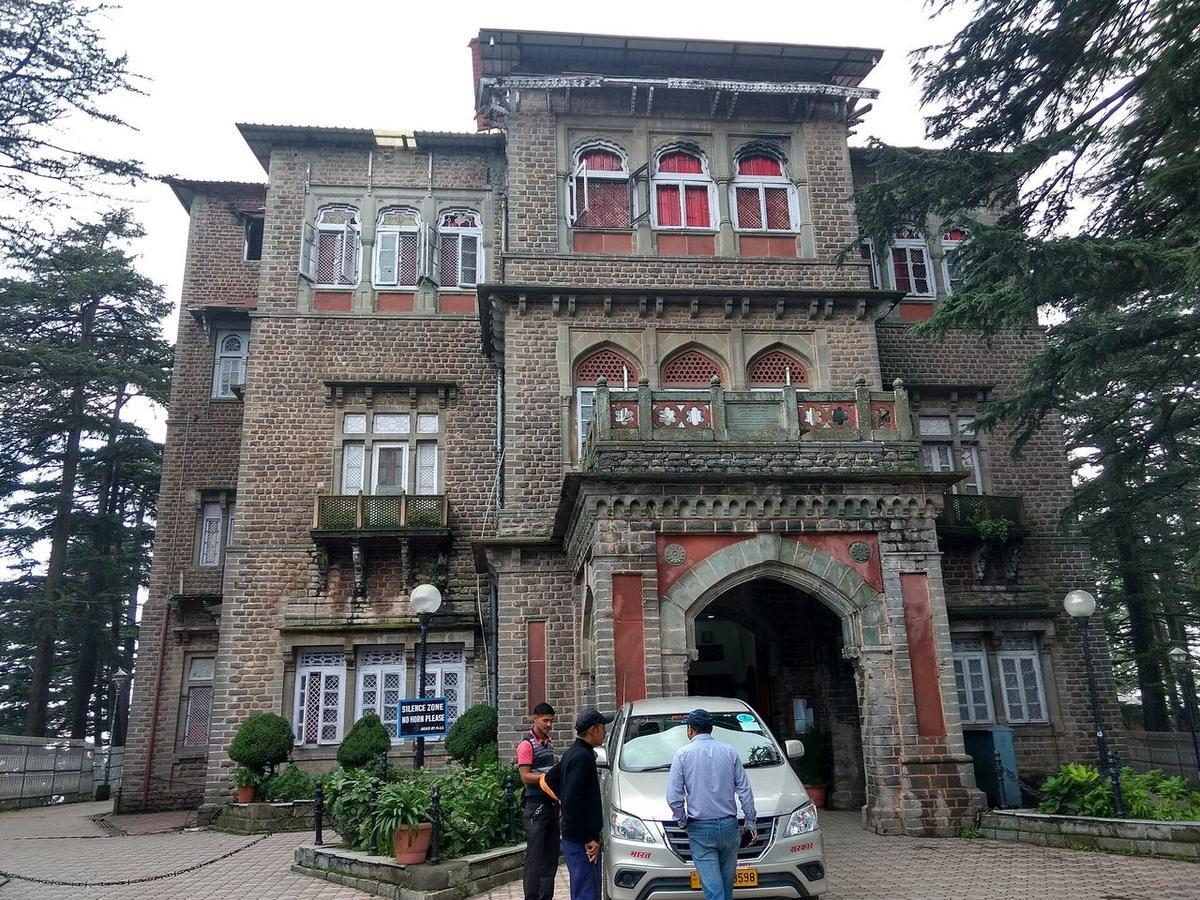
A vast grey pile in the Scottish-baronial style, finished in 1904 to house the Civil Secretariat, the offices from which British India was administered for the six months a year the government sat in Shimla. Turrets, a clock tower, room for hundreds of clerks and their files, all carried up the hill. It is a court complex now.
Annandale
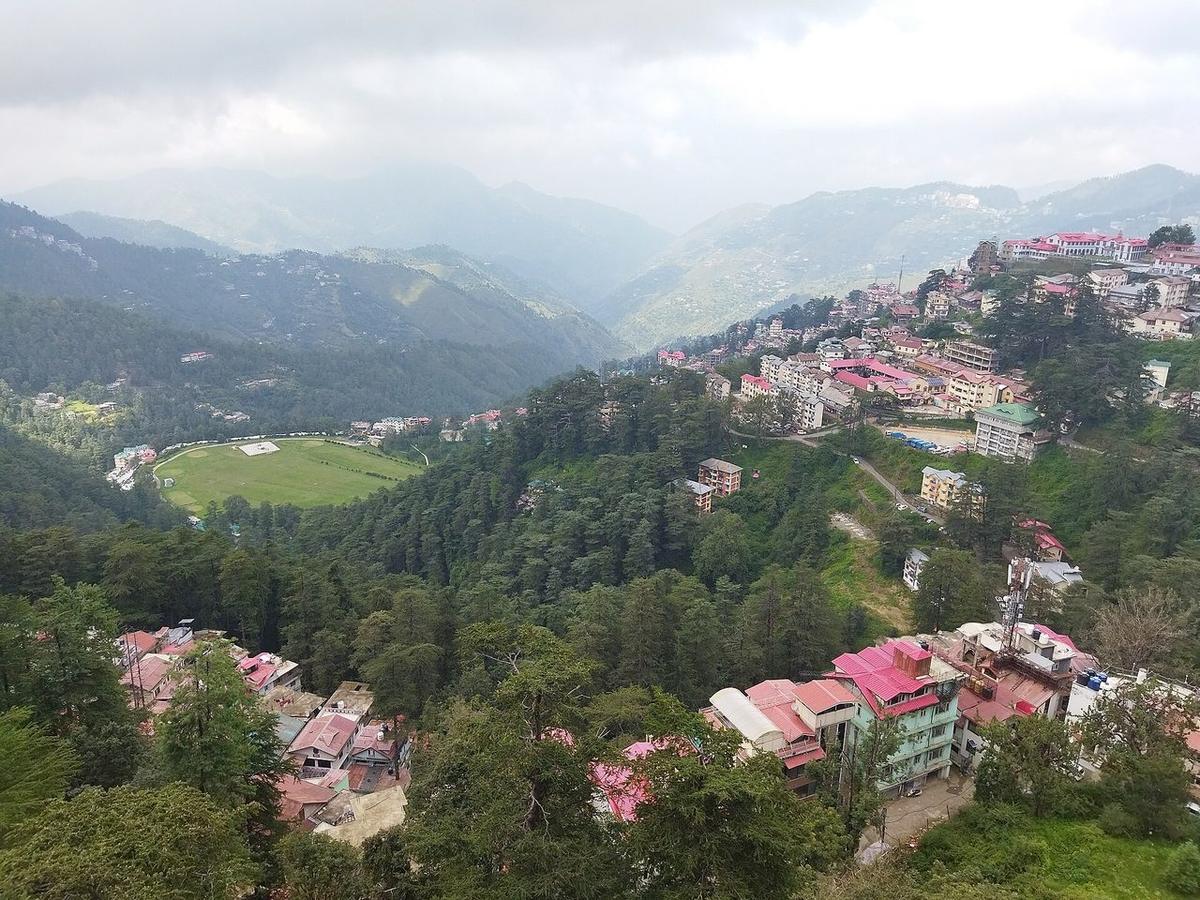
A rare piece of level ground in a town built entirely on slopes, a wooded shelf below the ridge, cleared by the British in the 1830s and used ever since for cricket, polo, horse racing, flower shows and garden parties. Getting to it means a long drop down from the Mall, and a long climb back.
Viceregal Lodge
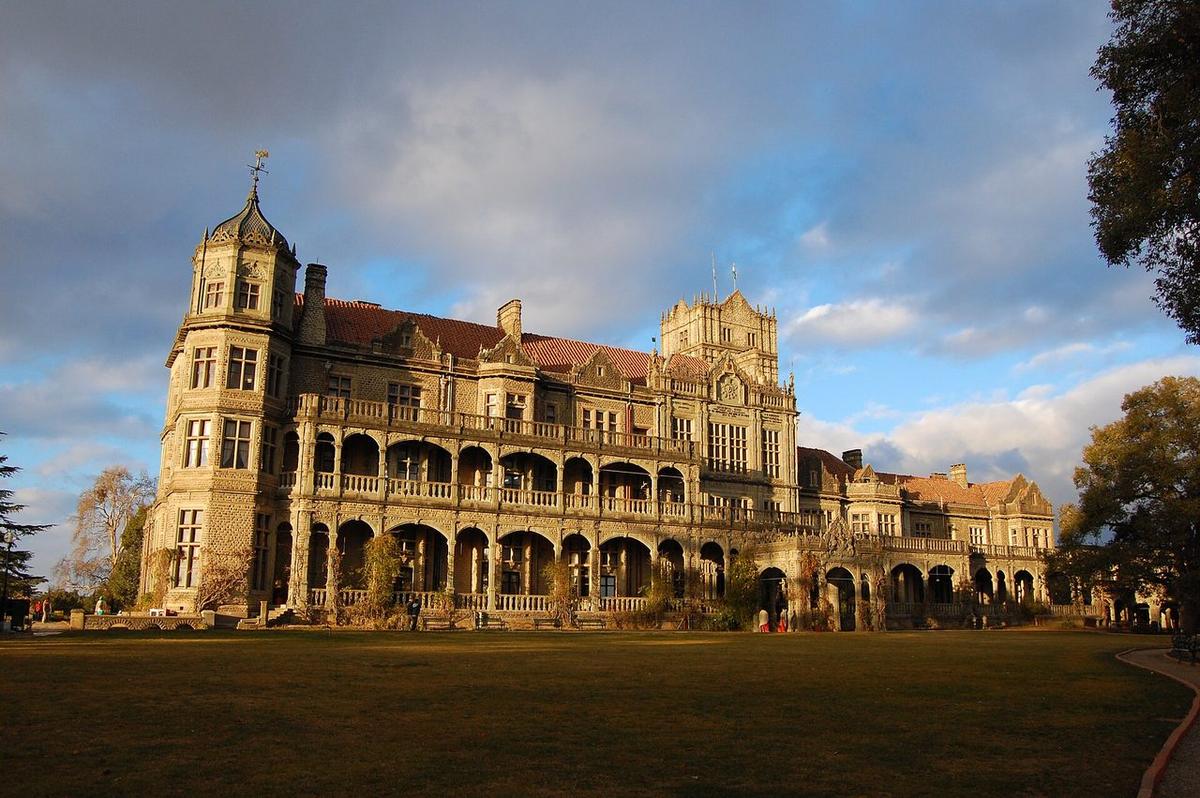
Rashtrapati Niwas, on Observatory Hill, a grey Elizabethan-Jacobean mansion finished in 1888 as the Viceroy’s summer residence, the first building in Shimla with electric light. The 1945 Simla Conference was held in its rooms, and in 1947 the talks that fixed the Partition of India. It is now an institute of advanced study, and its gardens are open.
Chadwick Falls
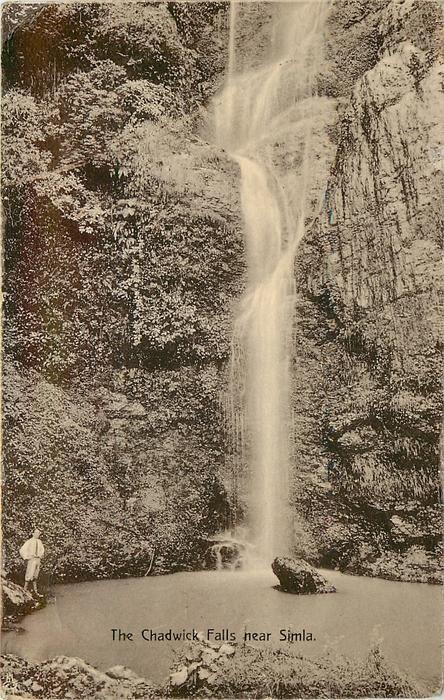
A roughly ninety-metre fall in the Glen, the deep forested ravine below the town, a stream that is a torrent in the monsoon and a trickle the rest of the year, dropping through deodar and oak. It is named for a British officer said to have fallen to his death here. The path down is steep and the path back up is worse.
Jakhoo Temple
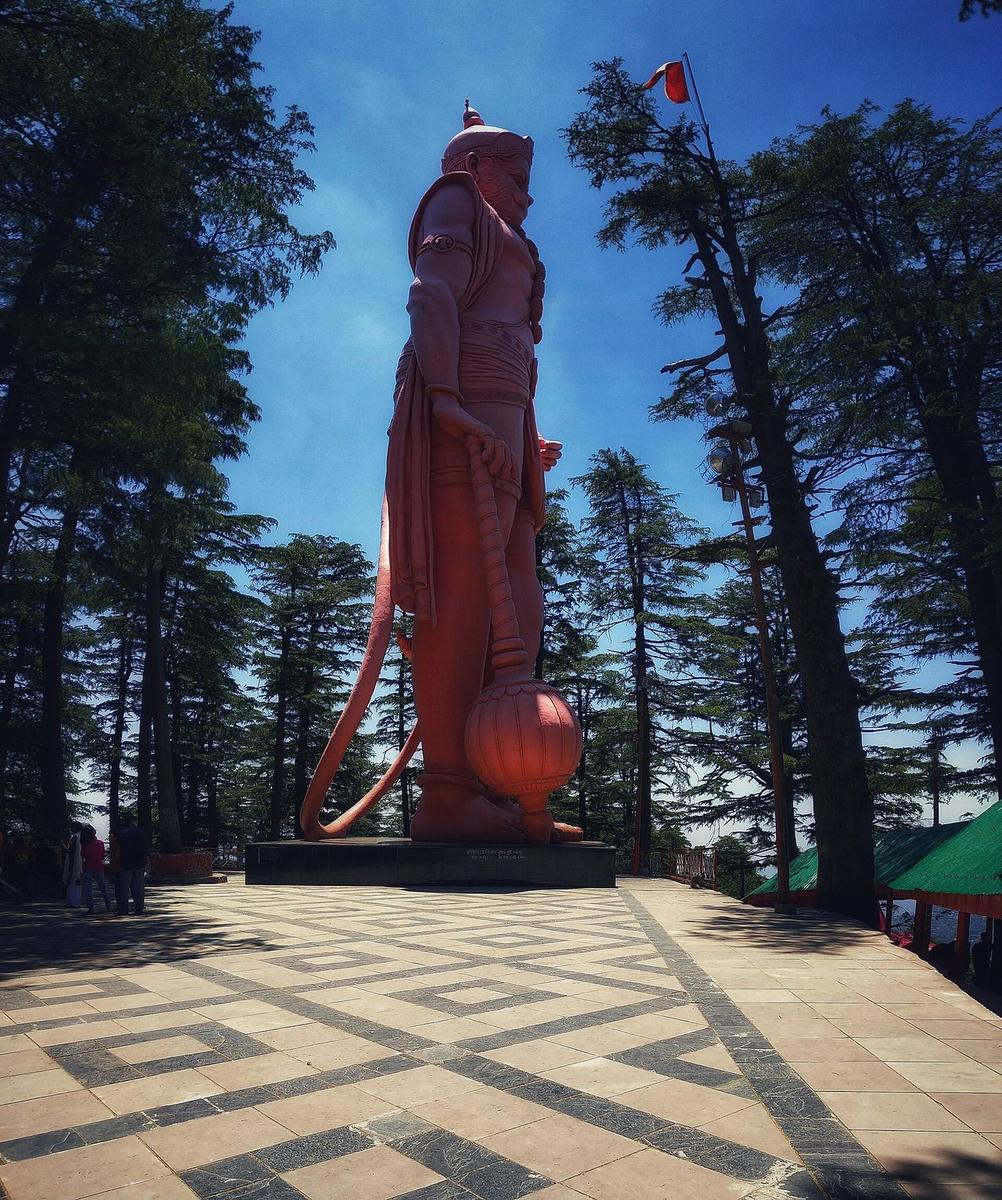
A Hanuman temple on the highest hill in Shimla, at 2,455 metres, by legend the spot where Hanuman rested while searching the mountains for the herb that would save Lakshmana. A thirty-three-metre statue of him, raised in 2010, is visible from most of the town and from planes coming in to Chandigarh. The climb to it is steep, thick with deodar, and full of macaques who will take your glasses.