Thiruvananthapuram: The Evergreen City
The Thiruvananthapuram Safarnama runs 5 km across 4 monuments, from Sree Padmanabhaswamy Temple to Kanakakkunnu Palace, part of The Monsoon Trail. Thiruvananthapuram is known as the evergreen city, here is the story the route tells, one stop at a time.
Sree Padmanabhaswamy Temple
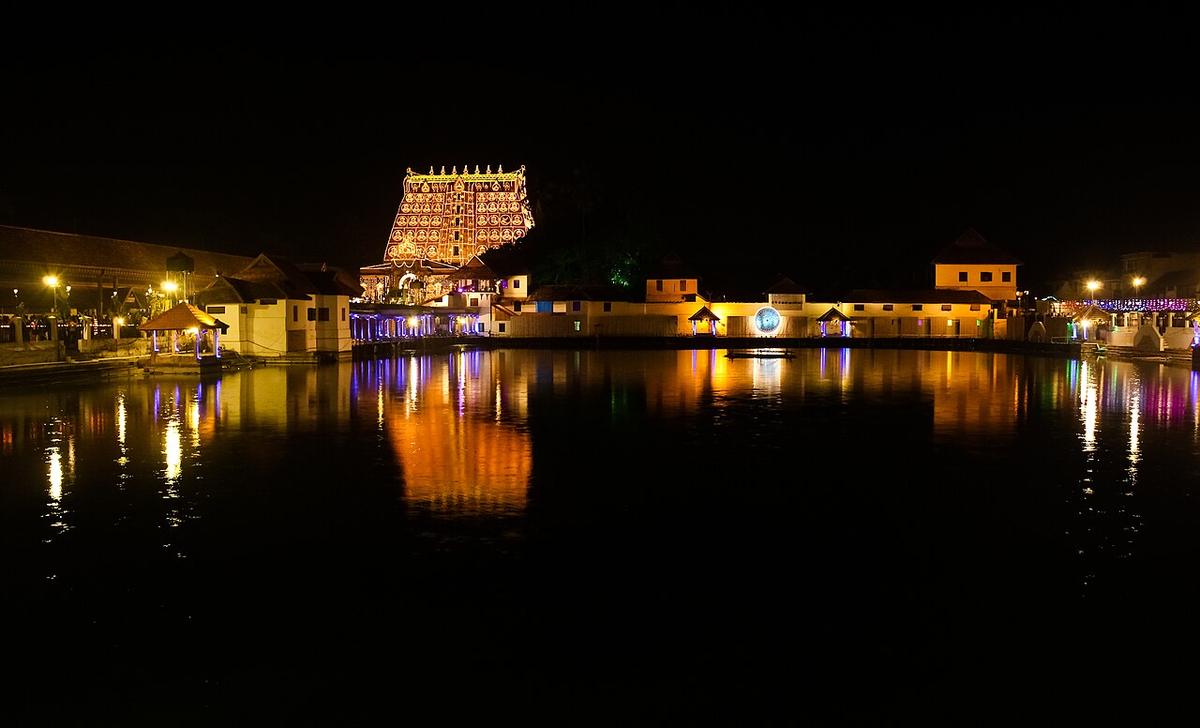
This Divya Desam is dedicated to Anantha Padmanabhaswamy, Vishnu depicted in yogic sleep on the coiled serpent Ananta, and gives the whole city its name: Thiru-Anantha-puram, the sacred city of the serpent. Under Supreme Court order, five of the temple’s six underground vaults were opened in 2011 and 2012, revealing one of the largest treasure hoards ever documented: a 1.1-metre solid gold idol studded with diamonds, a 5.5-metre gold chain, a 500-kilogram gold sheaf, and 1,200 gem-encrusted gold coin-chains among them. The sixth, Vault B, remains sealed, the royal family and temple trustees consider opening it inauspicious, and it stays shut to this day.
Kuthiramalika Palace
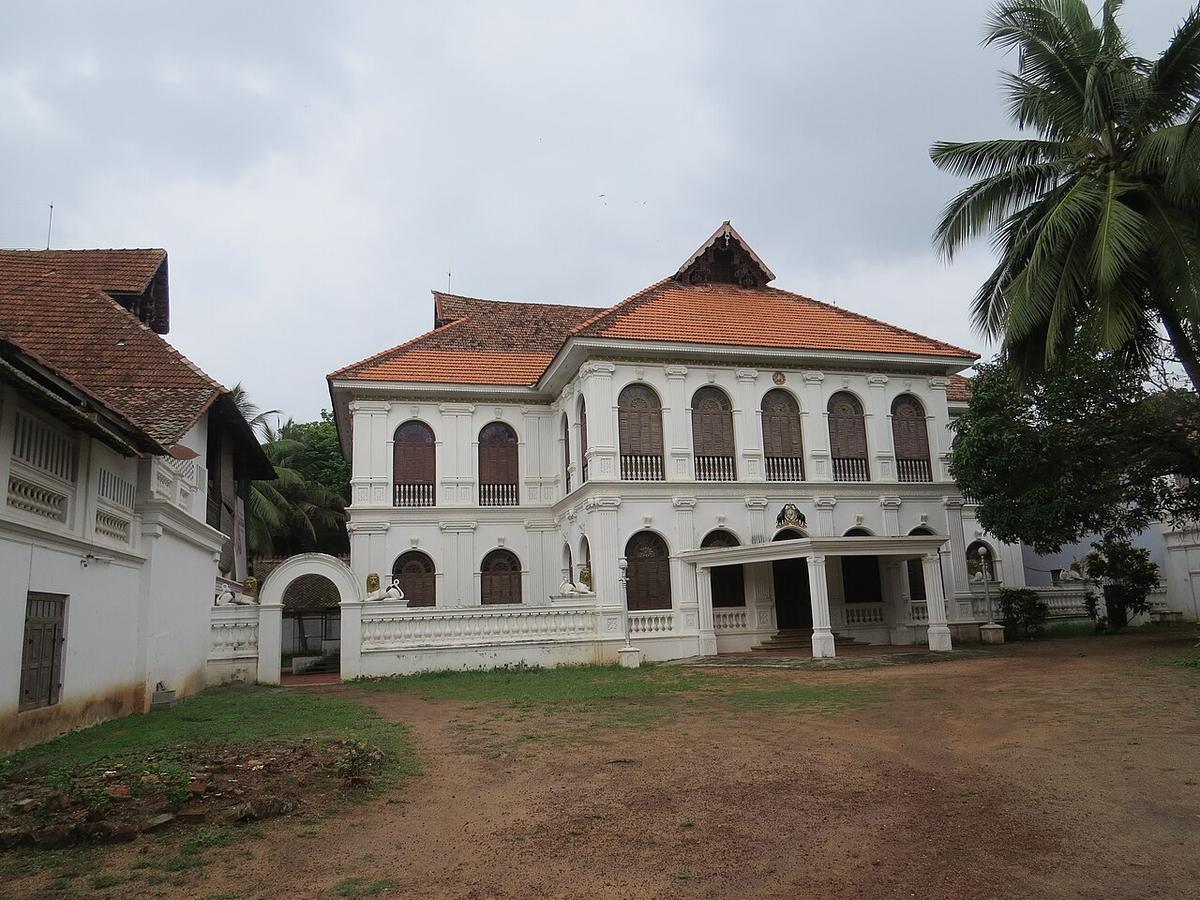
Built in the 1840s by Swathi Thirunal Rama Varma, a Travancore king remembered as much for composing Carnatic and Hindustani music as for ruling, this palace takes its name from the 122 horses carved into the wooden brackets supporting its southern roof. The floor is a smooth, cool blend of egg white, charcoal and limestone, and its concert hall is tuned with fifty clay pots hung upside down from the ceiling as acoustic reflectors. Left empty for over a century after the king’s death in 1846, only 20 of its 80 rooms are open today, as a museum of Travancore royal treasures.
Napier Museum
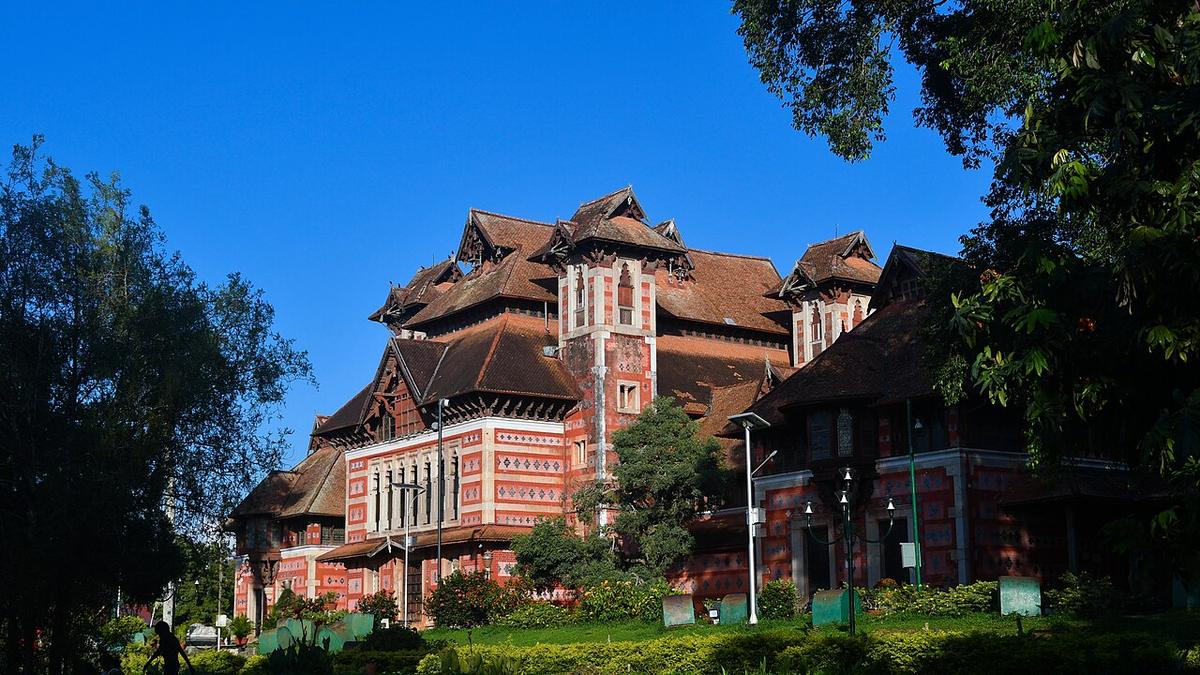
Opened in 1880 and designed by the architect Robert Chisholm for Governor Francis Napier, this Indo-Saracenic building deliberately blends Indian, Chinese, Kerala and Mughal architectural styles under a gothic roof and minarets, and has never needed air conditioning, relying instead on natural ventilation built into its design. Its grounds also hold the Thiruvananthapuram Zoo, established in 1857 as one of India’s oldest, the 1935 Sree Chitra Art Gallery, and the oldest living rubber tree in Kerala, planted here from a Ceylon cutting in 1876.
Kanakakkunnu Palace
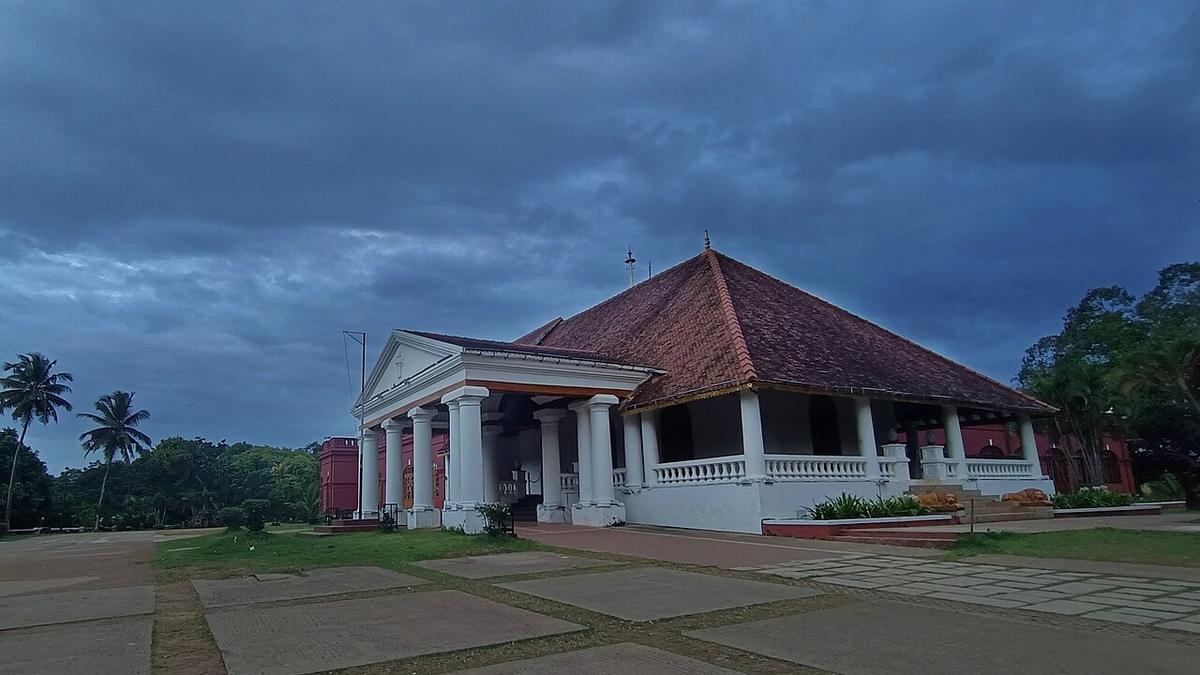
Built in the late 19th century under Sree Moolam Thirunal for royal banquets, this palace has a small, human detail behind its grand history: the Travancore royal family kept a strict vegetarian table themselves, yet this was where they served non-vegetarian food to the foreign guests they were hosting. Later refurbished by Chithira Thirunal, who added tennis courts and used it as a summer retreat, its grounds now host the annual Nishagandhi dance festival, India’s first digital botanical garden, and, more recently, film crews shooting scenes for two Malayalam blockbusters.