Ujjain: The City of Mahakal
The Ujjain Safarnama runs 10.8 km across 5 monuments, from Vedh Shala to Sandipani Ashram, part of The Ancient Heartland. Ujjain is known as the city of mahakal, here is the story the route tells, one stop at a time.
Vedh Shala
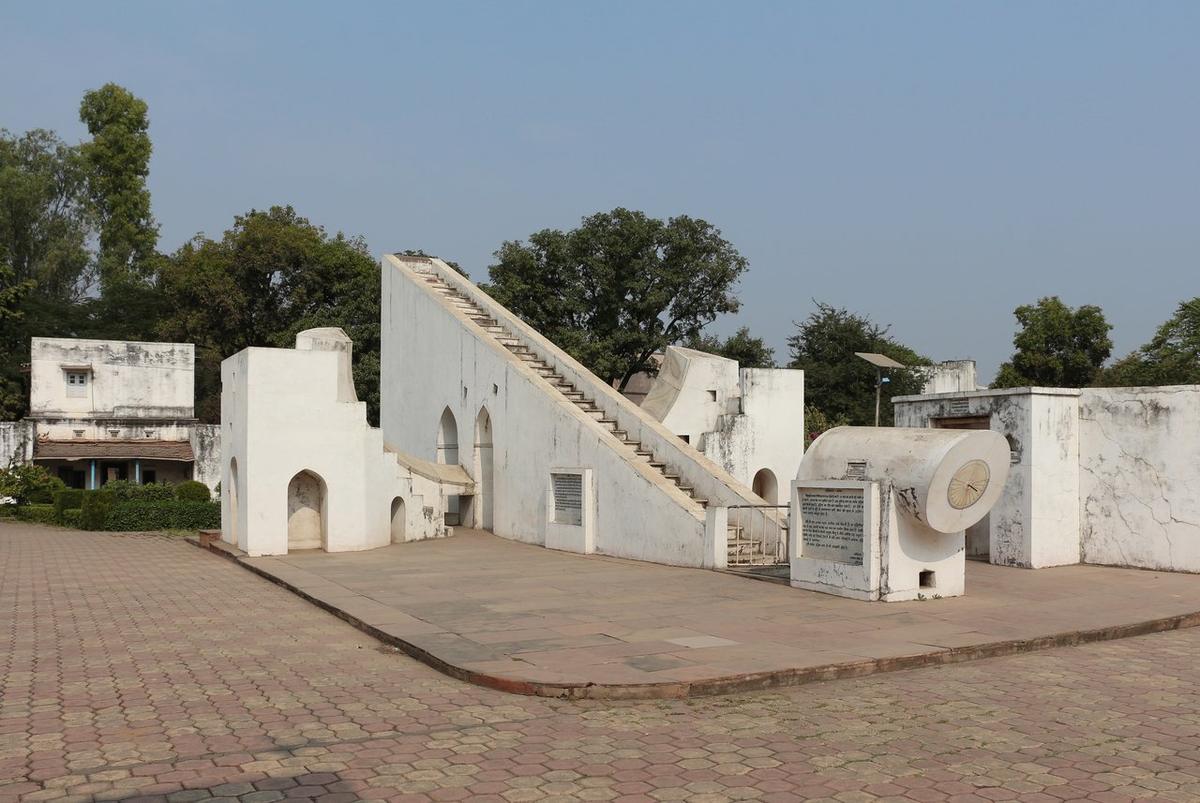
Built in 1719 by Maharaja Sawai Jai Singh II, the same Rajput king-astronomer who later built Jaipur’s own Jantar Mantar, this is the oldest of his five observatories, and sits at the exact spot ancient Hindu astronomy treated as its prime meridian for over 1,600 years. Its stone instruments, including a giant sundial, are still used today to calculate the Hindu calendar.
Mahakaleshwar Jyotirlinga
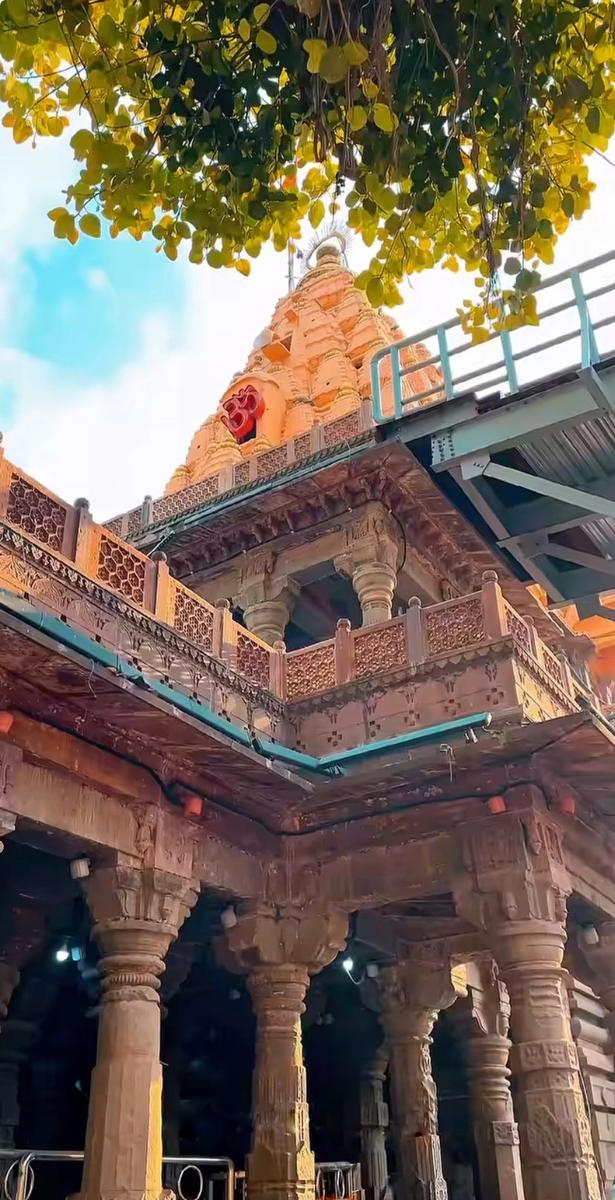
One of India’s twelve Jyotirlingas, sites where Shiva is said to have manifested as a column of light, Mahakaleshwar is unique among them for its south-facing lingam, a form upheld only here in the tantric shivnetra tradition. The medieval temple was destroyed during Sultan Iltutmish’s 1234–35 raid on Ujjain and lay in ruins for centuries before being rebuilt under Maratha rule in the 18th century, by the Diwan Ramachandra Sukthankar.
Ram Ghat
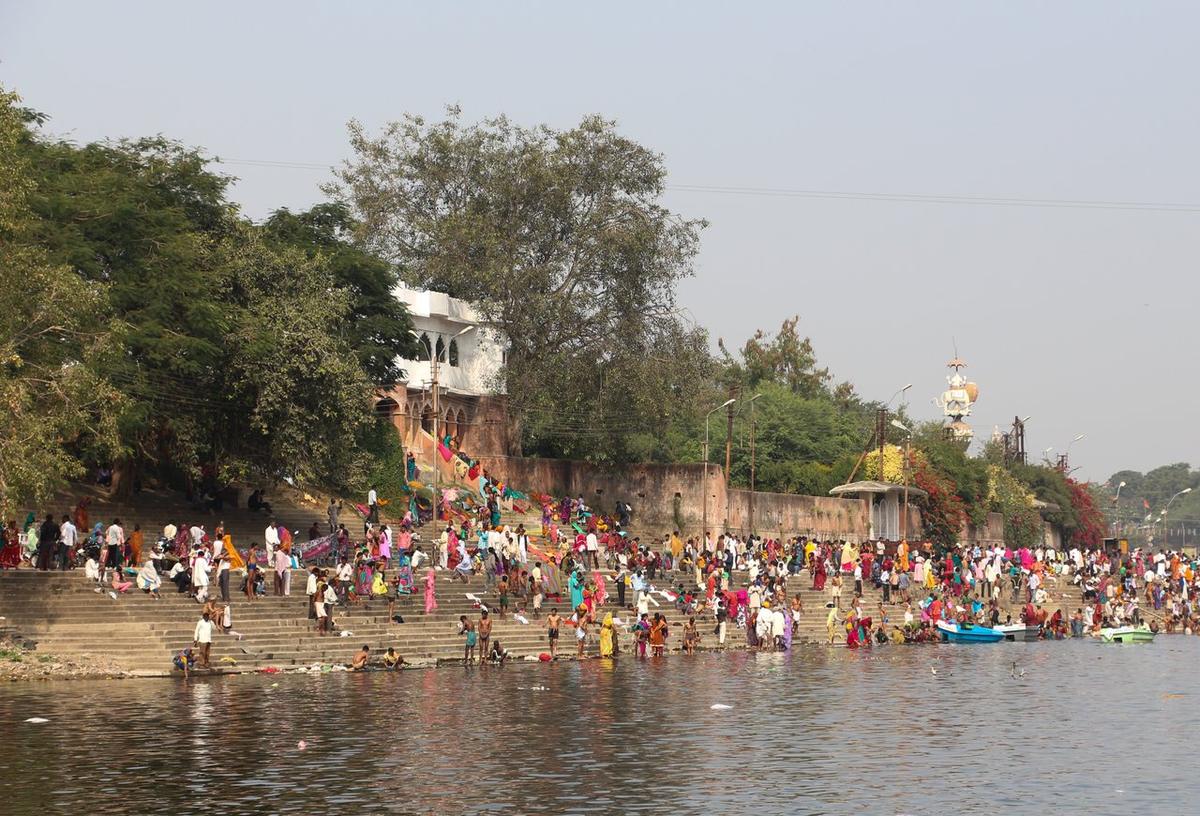
A bathing ghat on the Shipra river, Ram Ghat is one of the principal sites of the Simhastha Kumbh Mela, held here once every twelve years, drawing millions of pilgrims to bathe at an astrologically fixed moment. Outside festival years it’s a quieter, daily ritual: the same steps, the same river, without the crowd.
Kal Bhairav Temple
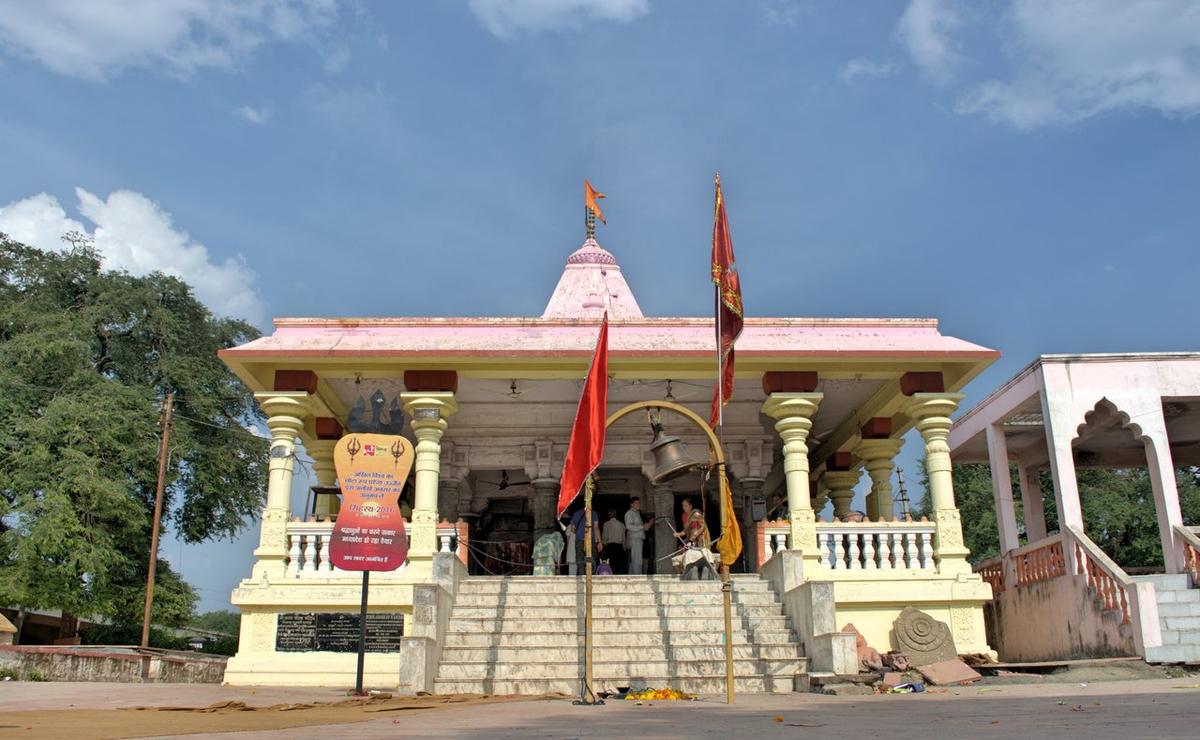
Believed founded by the little-recorded King Bhadrasen, with Shiva, Vishnu and Parvati images recovered from the site dating to the Paramara period (9th–13th century), Kal Bhairav is known above all for its ritual: liquor poured to the deity’s lips as one of five ancient tantric offerings, a tradition that has continued largely unbroken even as the other four fell away.
Sandipani Ashram
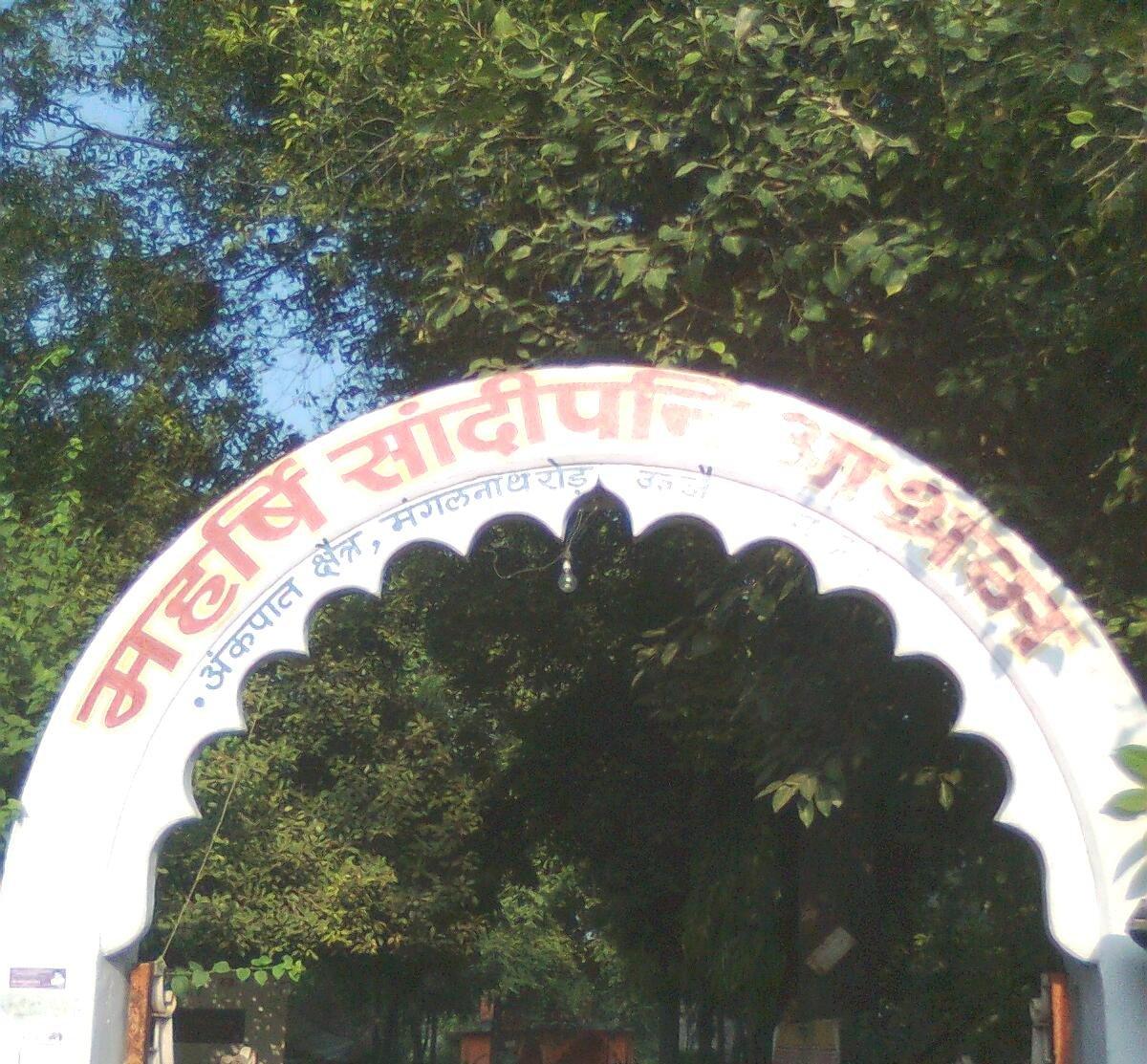
According to the Bhagavata Purana, this was the hermitage of the sage Sandipani, where Krishna and his brother Balarama were sent to complete their education, living simply and studying under a teacher before returning to the lives everyone already expected of them. It remains a working ashram today, on the northern edge of the city.