Varanasi: The Eternal City
The Varanasi Safarnama runs 27.6 km across 10 monuments, from Chaukhandi Stupa to Kashi Vishwanath Temple, part of The Empire Trail. Varanasi is known as the eternal city, here is the story the route tells, one stop at a time.
Chaukhandi Stupa
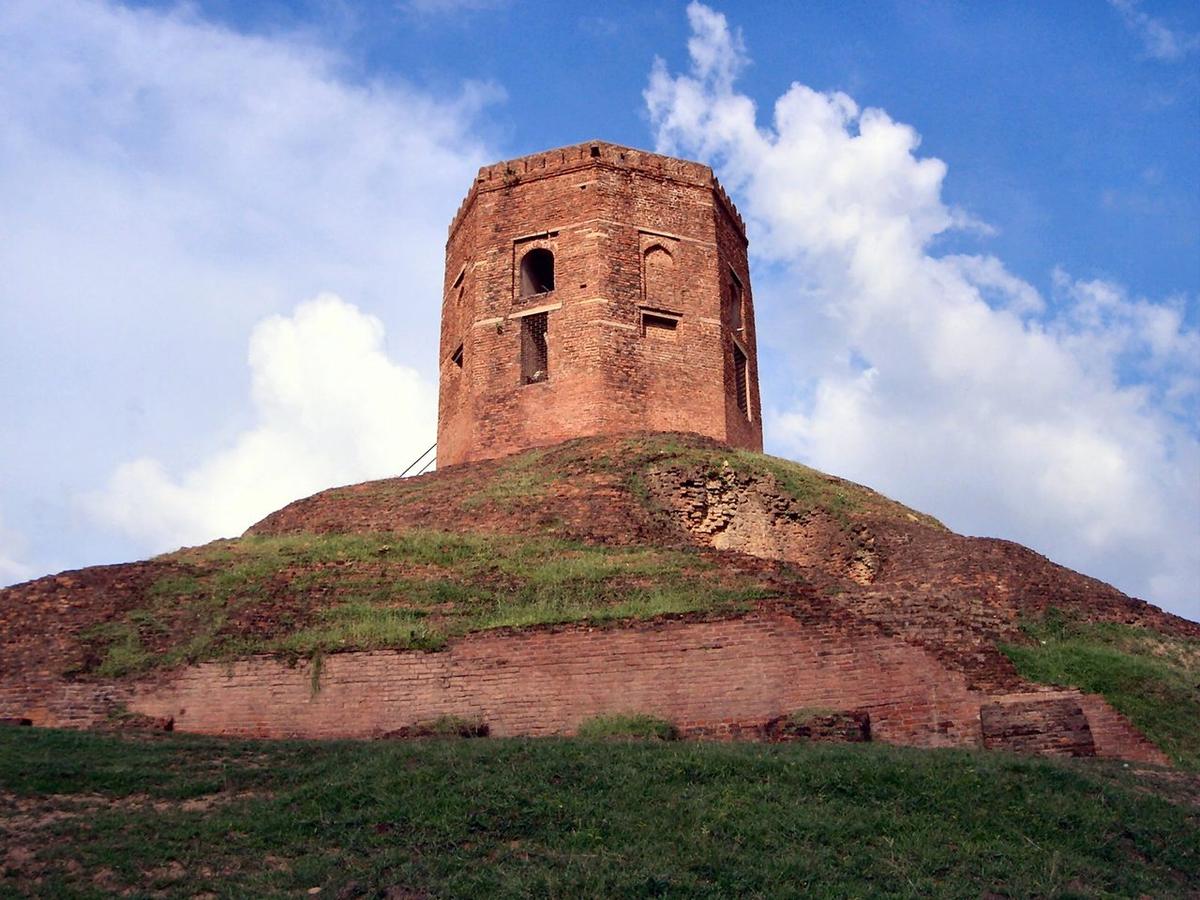
A tall brick mound with an octagonal Mughal tower on top, the tower added by Akbar in 1588 to mark a visit by his father Humayun, the mound itself a Gupta-era stupa from around the 5th century. It stands where, by tradition, the Buddha met the five ascetics who had been his companions and would become his first disciples, after he walked here from Bodh Gaya.
Dhamek Stupa
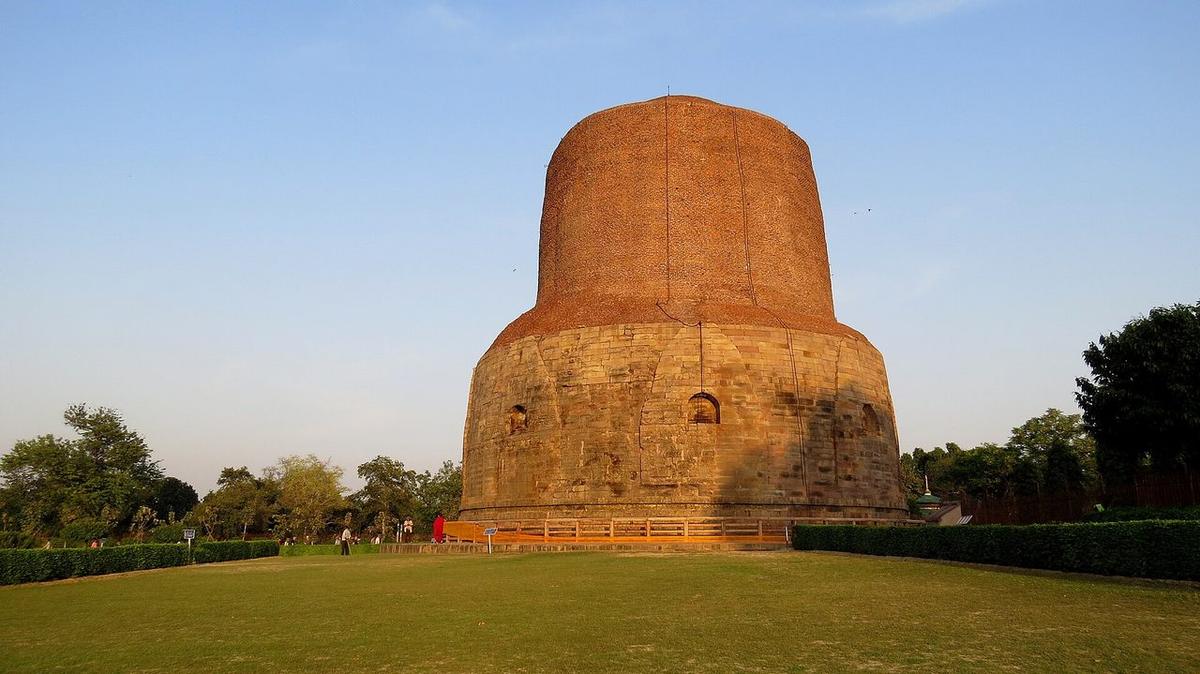
A solid cylinder of stone and brick forty-three metres high, rebuilt around 500 CE on the site of an Ashokan stupa from the 3rd century BCE. It marks the deer park where the Buddha gave his first sermon after enlightenment, the setting in motion of the wheel of dharma. For over a thousand years this was one of the great centres of learning in the world; then it was abandoned, buried, and dug back up in 1835.
Ashoka Pillar
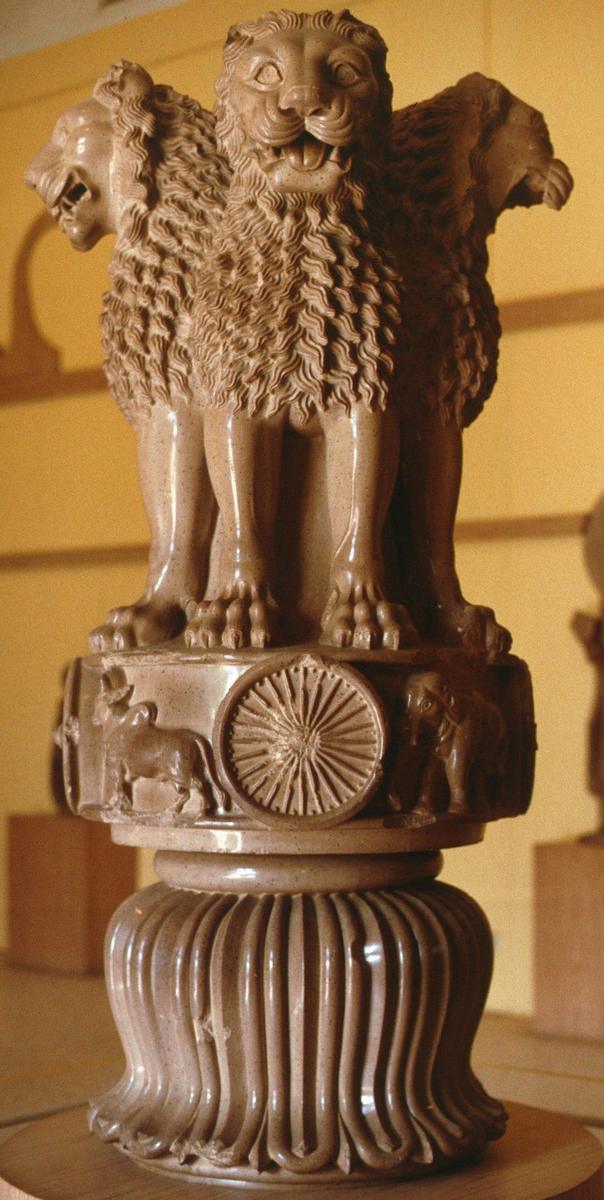
The broken stump of a polished sandstone column raised here by the emperor Ashoka around 250 BCE, carrying an edict against schism in the sangha. Its capital, four lions back to back over a wheel, was dug out of the ground beside it and is now the national emblem of India, and the wheel is on the flag. Ashoka set up dozens of these pillars across his empire as a way of speaking directly to people who would never see him.
Bharat Mata Mandir
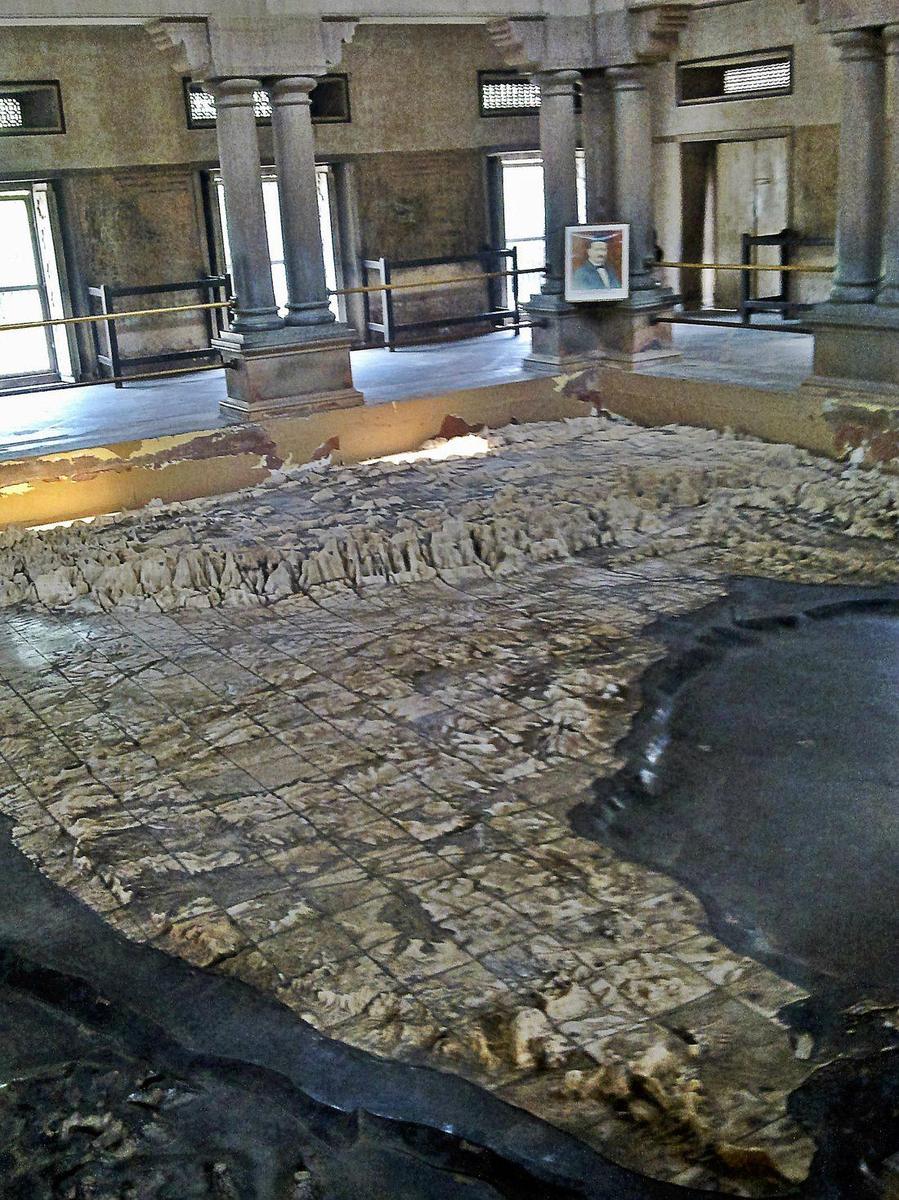
A temple built in 1936 with no idol in it. In place of a deity, the floor of the sanctum holds a huge relief map of undivided India carved in marble, every mountain, river and plateau to scale, and that is what people come to see. It was funded by a nationalist family and opened by Gandhi, who said he hoped it would exalt in people’s minds the idea of one geographical entity.
Durga Kund Temple
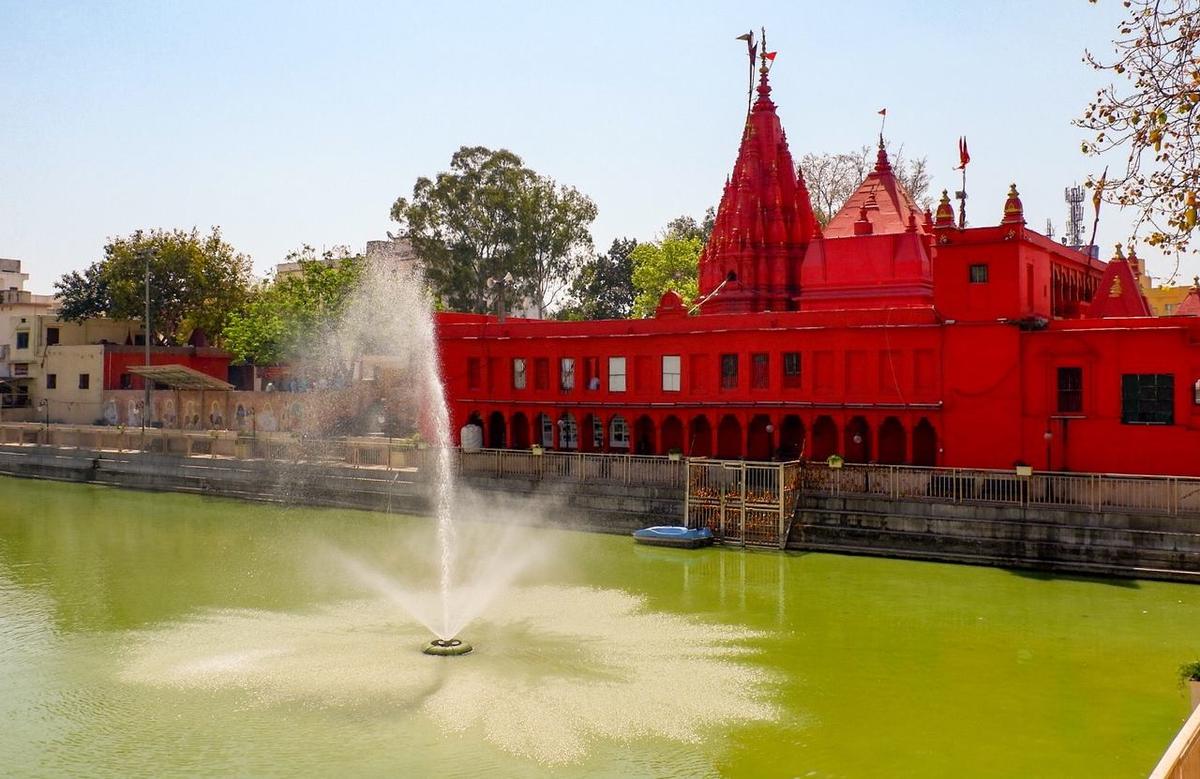
A temple to Durga from around 1760, built by a Bengali queen, painted the deep ochre-red of the goddess and stacked in the Nagara style, small spires clustering up to one tall one. Beside it is the kund, a square tank once fed by the Ganga. Every visitor knows it as the monkey temple, for the troops of rhesus macaques that treat the courtyard as their own.
New Vishwanath Temple
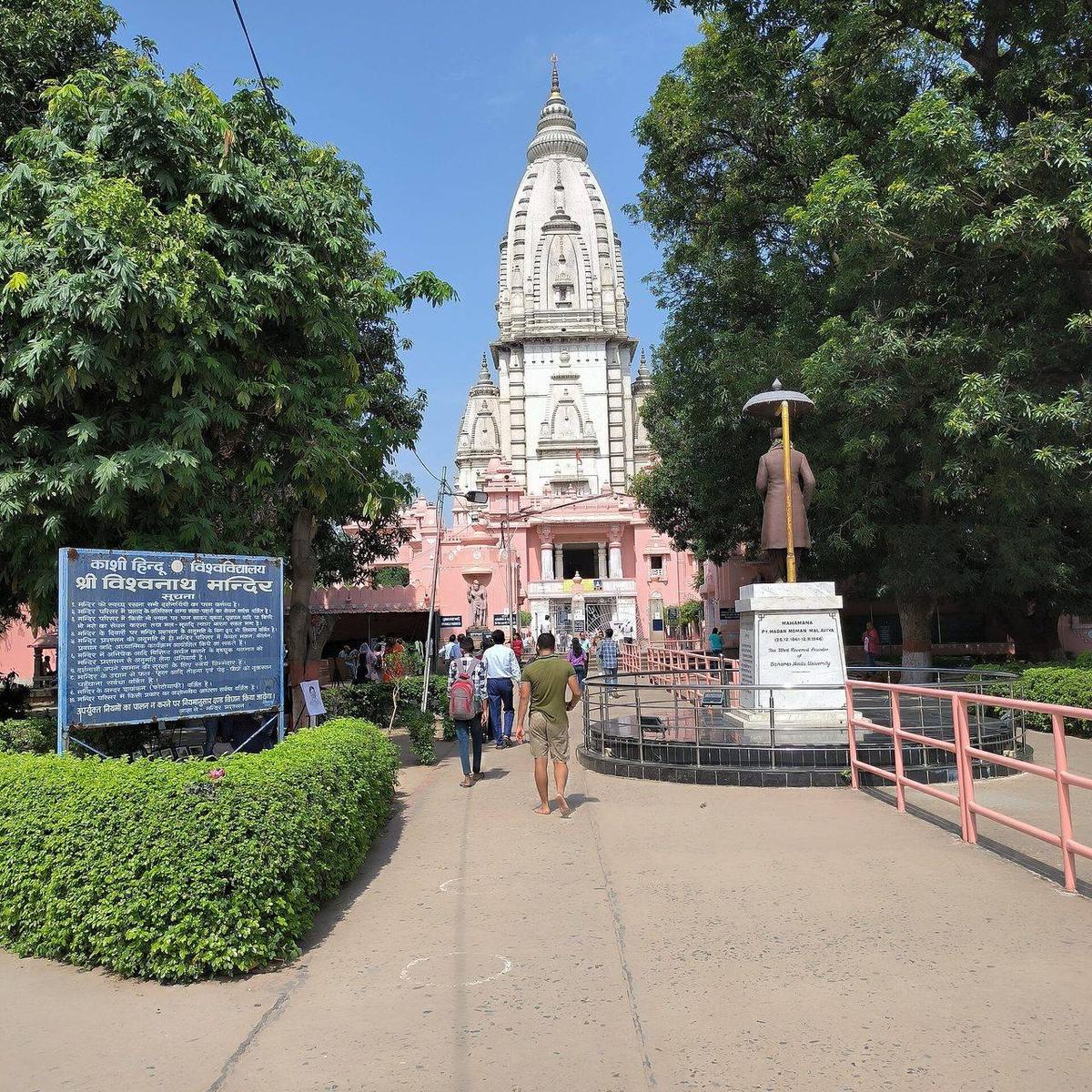
A tall white marble temple inside Banaras Hindu University, built between 1931 and 1966 on the initiative of the educationist Madan Mohan Malaviya and funded by the Birla family, a modern replica of the old Kashi Vishwanath in the crowded city. It was built open to people of every caste, at a time when the original was not, and its spire is the tallest in Varanasi.
Assi Ghat
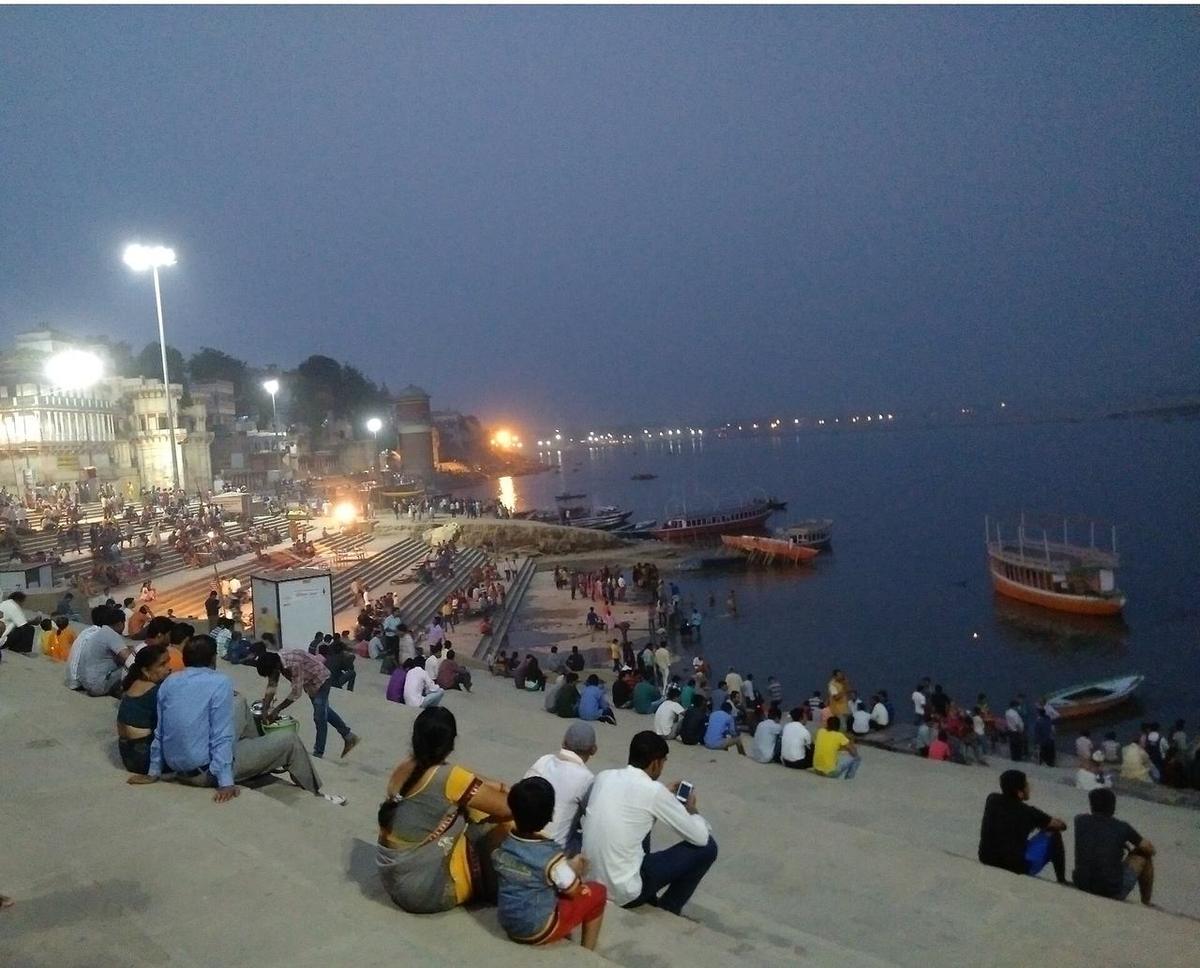
The southernmost of Varanasi’s ghats, where the small Assi stream meets the Ganga. Pilgrims bathe here first, at a peepal tree by a Shiva lingam, before working their way north along the riverfront. It is the least crowded of the main ghats and the one where the city wakes up slowly, musicians, yoga, chai, before the day’s crowds gather downstream.
Dashashwamedh Ghat
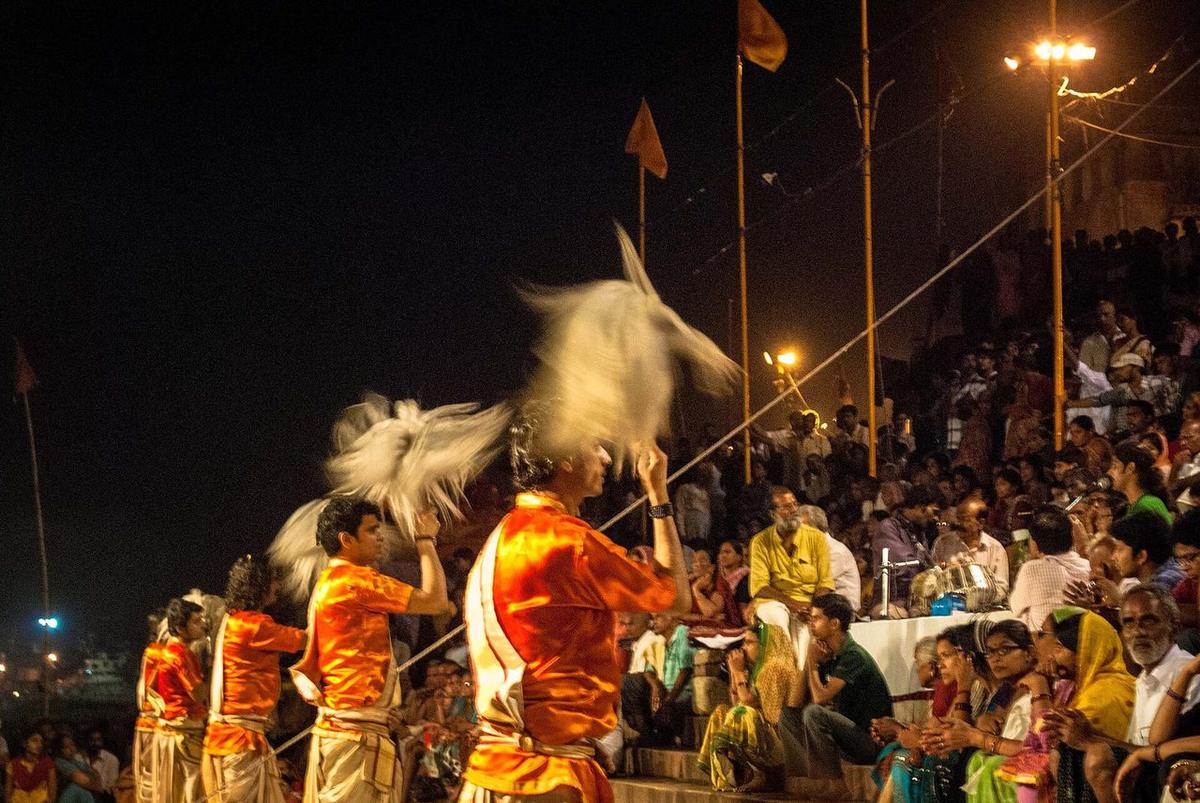
The main ghat of the city, by tradition the place where Brahma sacrificed ten horses. Every evening at dusk, priests perform the Ganga Aarti here, lamps the size of a person swung in slow arcs, conch shells, bells, thousands watching from the steps and from boats on the water. It has happened, in some form, every single night for centuries.
Manikarnika Ghat
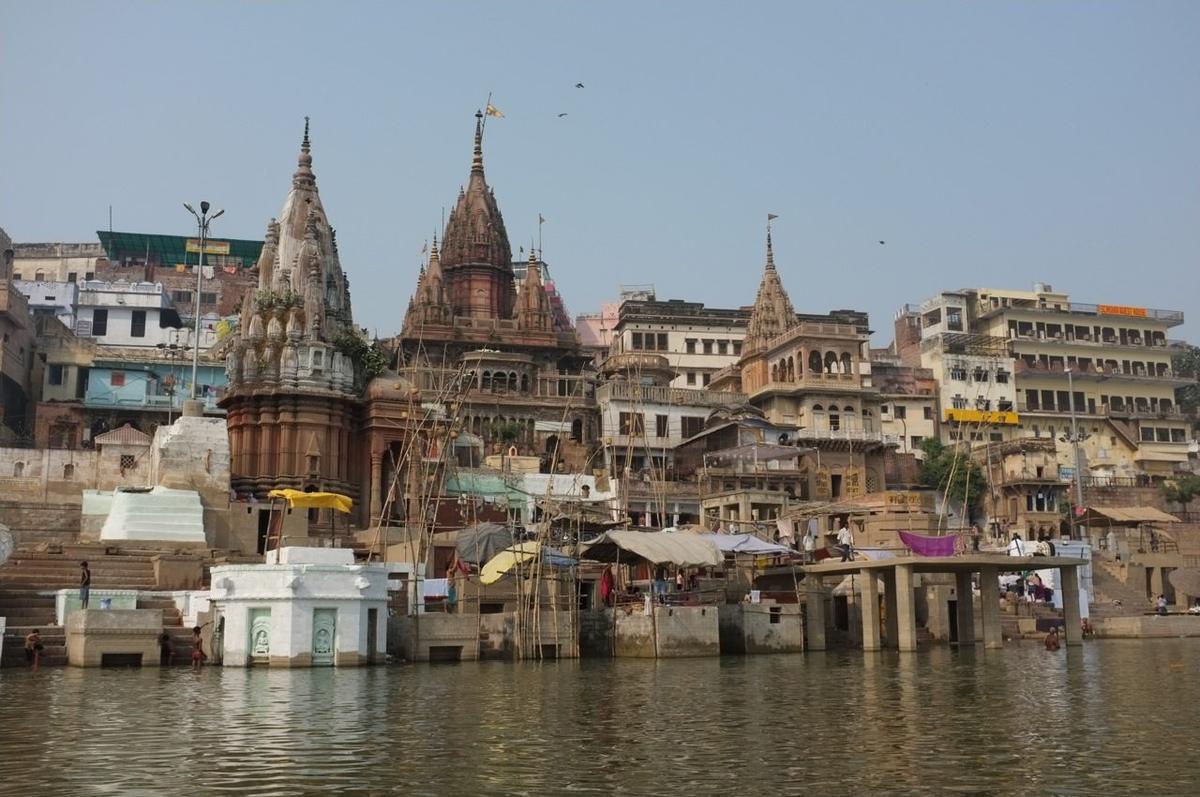
The great cremation ground of Varanasi, where the funeral pyres burn day and night and, it is said, have never gone out. To be cremated here and have the ashes given to the Ganga is held to release the soul from the cycle of rebirth. It is the busiest, oldest working part of the riverfront, stacked firewood, the Doms who keep the fires, families in white, and pilgrims walk straight through it.
Kashi Vishwanath Temple
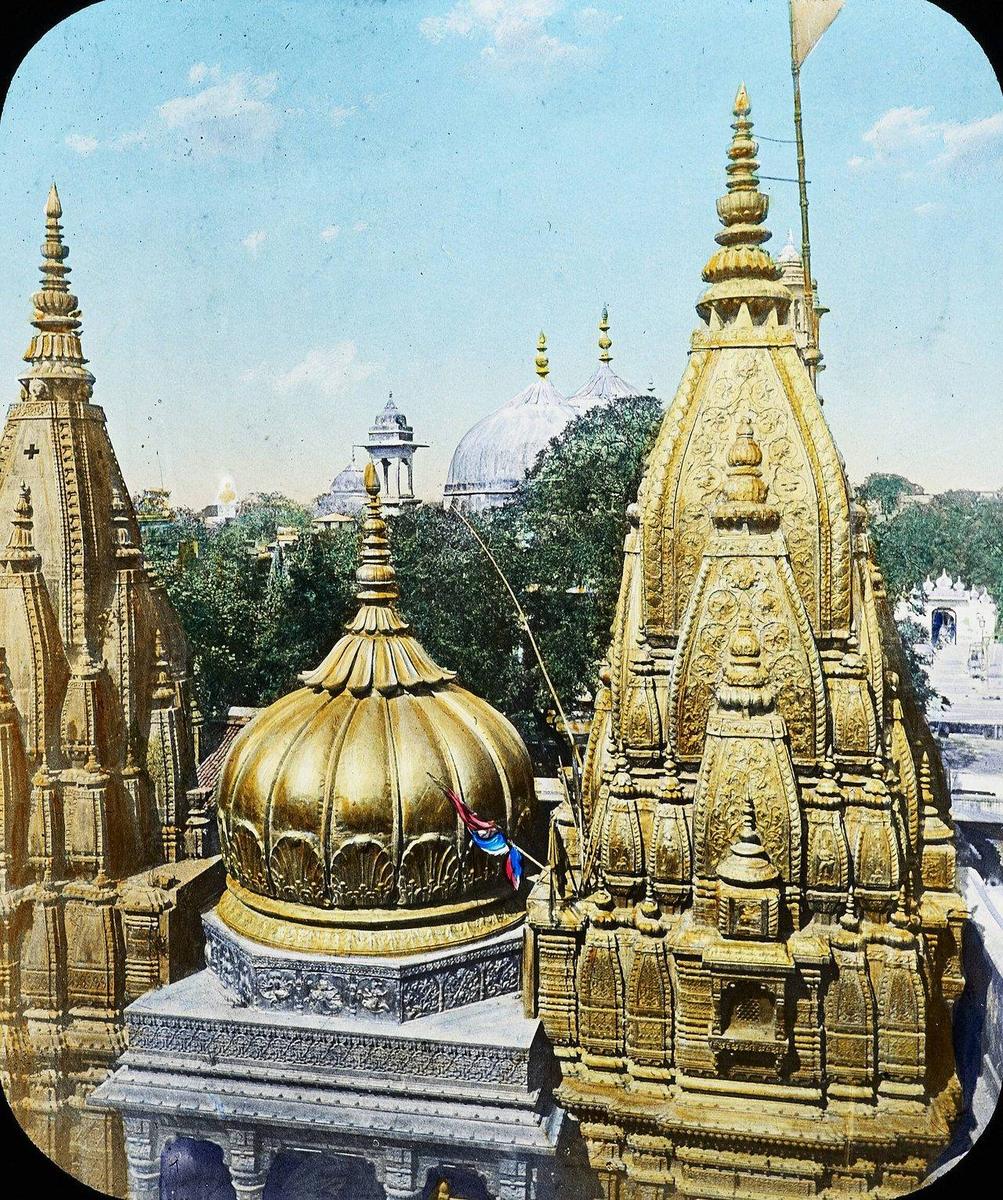
The holiest temple of Shiva, in the tangle of lanes just back from the river, a shrine destroyed and rebuilt many times over more than a thousand years, the present temple built in 1780 by the Maratha queen Ahilyabai Holkar and its spire plated with gold given by Ranjit Singh in 1835. Varanasi is one of the oldest continuously lived-in cities on earth, and this is its centre; the lanes around it have carried pilgrims for as long as there has been a city.